Category Archives: Uncategorized

How to Keep a Dog Clean Between Grooming Visits

How to keep a dog clean between grooming visits does not mean giving your pet a full bath every few days. Simple care at home can help remove dirt, loose hair, and outdoor debris before they build up. Regular brushing and quick clean-ups can also help your dog stay fresh between professional grooming appointments.

At Top Dog Training and Resort, we understand that simple home care can make grooming easier for both you and your dog. A consistent routine can help keep your pet comfortable, reduce dirt and tangles, and make their next professional grooming visit more manageable.

Key Takeaways

Keeping your dog clean between grooming appointments is mostly about small habits. Brushing, wiping dirty paws, checking the coat, and keeping bedding clean can make a big difference. Your dog’s coat type, lifestyle, and time spent outdoors should guide how often you provide each type of care.

  • Brush your dog regularly based on their coat type.
  • Wipe paws and dirty areas after walks and outdoor play.
  • Keep bedding, collars, and toys clean.
  • Use dog-safe products instead of human soaps.
  • Schedule professional grooming when home care is no longer enough.

Brush Your Dog Regularly to Remove Dirt

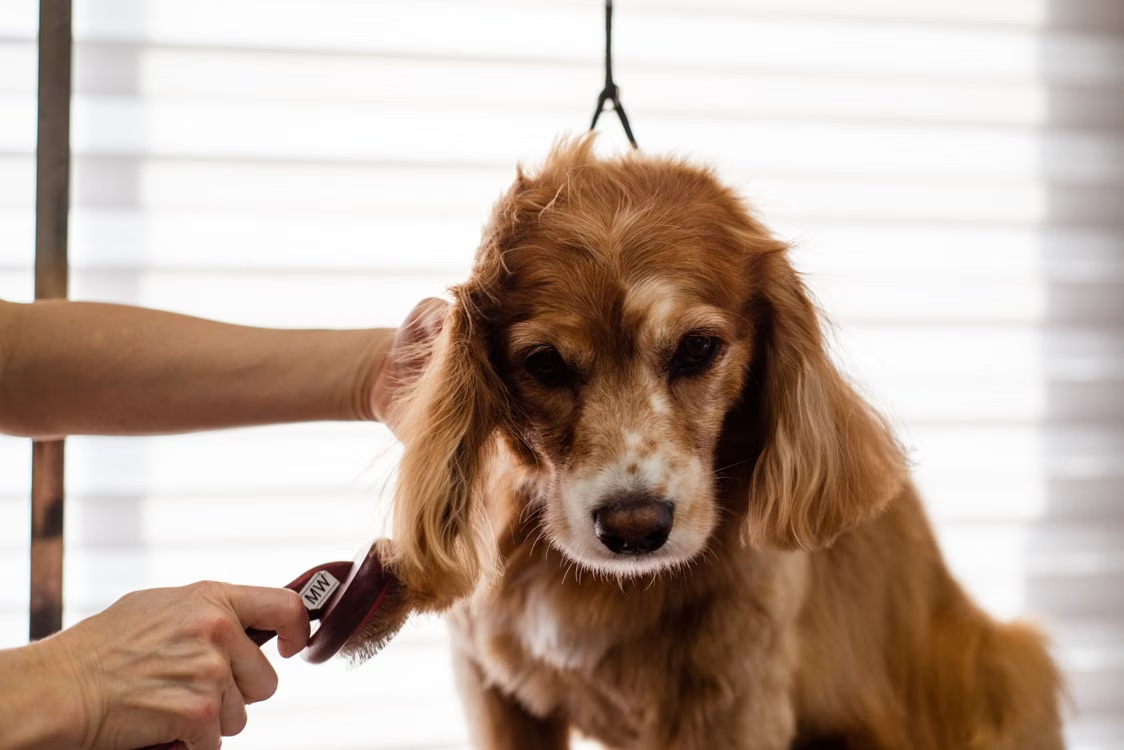
Brushing helps keep your dog clean between grooming visits by removing loose hair, dust, grass, and debris. It is also one of the most useful grooming tips for your dog, as it can reduce tangles and keep the coat easy to manage.

Choose a brush based on your dog’s coat and brush gently around the belly, legs, ears, and tail. If you find a tight mat, avoid pulling it and seek professional grooming help.

Wipe Your Dog’s Paws After Walks

Your dog’s paws can collect dirt faster than almost any other part of the body. Grass, mud, dust, and other outdoor debris can stay between the toes or on the paw pads. Cleaning the paws after walks can help keep your home cleaner while also giving you a chance to check your dog’s feet.

Use a soft, damp cloth or a pet-safe wipe to clean the paws. Pay attention to the spaces between the toes, then dry the feet well. Regular paw checks can help you notice cuts, swelling, cracked pads, or objects stuck in the fur before they become bigger problems.

Keep the Face and Coat Fresh

Some parts of your dog’s body collect dirt more easily than others. The face, belly, legs, and area around the mouth can become messy after eating, playing outside, or rolling on the ground. A quick clean in these areas can often refresh your dog without the need for a full bath.

Use a clean, damp cloth for small areas of dirt. Avoid perfumes, strong cleaners, and human skin products because they may irritate your dog’s skin. If your dog has ongoing redness, unusual discharge, strong odors, or repeated itching, cleaning alone may not solve the problem. Speak with a veterinarian when these signs continue.

Use a Quick Wipe-Down Instead of a Full Bath

Not every dirty spot needs a complete bath. If your dog has picked up a little dust or dirt after playing outside, a quick wipe-down can be enough. This approach can save time and prevent unnecessary bathing, especially when the rest of the coat is still clean.

  • Use a damp towel for light dirt on the coat.
  • Wipe the belly and legs after outdoor play.
  • Clean dirty paws before your dog comes inside.
  • Dry damp areas with a clean towel.
  • Brush the coat after it dries if loose dirt remains.

A quick clean works best for minor messes. If your dog is covered in mud, has a strong odor, or has something stuck in the coat, a proper bath or professional grooming session may be more suitable.

Choose the Right Bathing Routine

Bathing is an important part of dog hygiene, but too many baths may dry out the skin and coat. There is no single bathing schedule that works for every dog. Active dogs that spend a lot of time outdoors may need more cleaning than dogs that spend most of their time indoors.

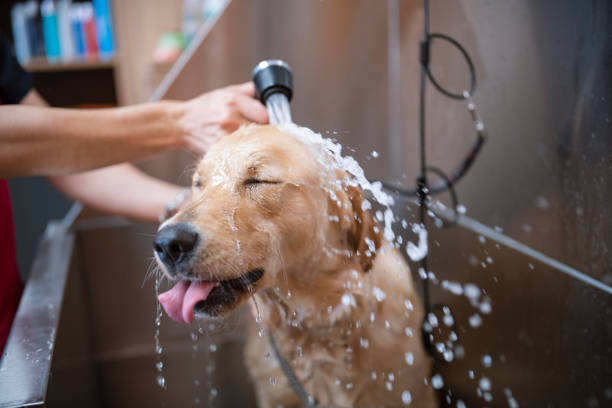
When your dog needs a bath, use a shampoo made for dogs. Wet the coat with warm water and work the shampoo gently through the fur. Rinse very well because leftover product can irritate the skin. Dry the coat properly afterward, especially for dogs with thick or long hair.

Be Careful With Homemade Dog Soap

Searches for a dog soap bar recipe may make homemade soap seem like an easy option for bath time. However, making soap at home can involve ingredients that may not be suitable for a dog’s skin. A product that feels gentle to people is not always a safe choice for pets.

For routine bathing, choose a dog shampoo that is designed for canine skin and coat care. Avoid using regular human soap, dish soap, or strongly scented products unless a veterinarian has specifically recommended them. If your dog has sensitive skin or keeps scratching after baths, ask your veterinarian which type of shampoo is appropriate.

Keep Bedding and Dog Items Clean

Your dog can be freshly groomed and still become dirty again if their favorite bed, blanket, collar, or toys are covered in old dirt and loose hair. These items come into regular contact with the coat, so keeping them clean should be part of your pet-care routine.

Wash removable bedding and blankets according to their care instructions. Clean collars and harnesses when they become dirty or develop an odor. Food and water bowls should also be washed regularly. Toys should be checked for damage and cleaned based on the material. A cleaner environment helps your dog stay fresh for longer between grooming visits.

Make Grooming Part of Your Weekly Routine

A simple weekly routine can make home grooming feel much easier. Instead of waiting until your dog looks dirty or develops tangles, spend a few minutes checking the coat, paws, face, ears, and other areas. Short sessions can also help your dog become more comfortable with being handled.

  • Brush the coat according to its length and texture.
  • Check the paws after walks and outdoor activities.
  • Look for dirt, mats, or unusual changes in the skin.
  • Clean bedding and frequently used dog items.
  • Check the ears, eyes, teeth, and nails during routine care.

Reward your dog for staying calm during these sessions. A few treats and a relaxed approach can make grooming feel like a normal part of the day rather than a stressful event.

Know When Professional Grooming Is Needed

Home maintenance is useful, but it cannot replace professional grooming for every dog. Long, curly, thick, or fast-growing coats may need regular trimming and deeper care. Professional grooming can also help when brushing becomes difficult or when your dog develops mats that cannot be safely removed at home.

Top Dog Training and Resort provides full-service bathing, trimming, and styling in Hillsborough. The facility combines professional grooming with boarding, training, and day school services, making it easier for pet owners to manage different aspects of their dog’s care.

Consider Professional Grooming for Local Care

A regular professional appointment can keep the coat manageable and reduce the amount of difficult grooming you need to do at home. Dogs with coats that grow quickly or become tangled easily may benefit from a consistent grooming schedule. Your dog’s breed, coat, activity level, and home routine should all be considered when deciding how often to book.

For owners looking for dog grooming in Durham, professional grooming can be a helpful option when regular brushing and basic cleaning are not enough. A groomer can provide services such as bathing, trimming, and styling while helping keep your dog comfortable during the process.

Watch for Signs That Need Extra Attention

Cleaning your dog regularly also gives you a chance to notice changes in the skin and coat. A new smell, repeated scratching, redness, hair loss, swelling, or unusual discharge may point to something more than normal dirt. These signs should not simply be covered up with another bath.

If an issue continues after cleaning, contact your veterinarian for advice. Groomers can help with coat and hygiene care, but they are not a replacement for veterinary treatment. Early attention can help prevent a small concern from becoming a larger problem.


How to Keep Your Dog Fresh Between Baths

A clean dog does not always need another bath. Regular brushing and spot cleaning can often manage everyday dirt while keeping the coat in good condition. This is especially useful for dogs that become messy after outdoor activities but do not need a full wash.

After walks, check the paws and belly first. Brush away loose dirt once the coat is dry, and use a damp cloth for small dirty areas. Keeping bedding and other dog items clean can also help your pet stay fresh. These simple habits can reduce the need for frequent full baths.

Conclusion

Keeping your dog clean between grooming visits is easier when you follow a simple routine. Regular brushing, clean paws, fresh bedding, and occasional baths can help control dirt and keep your dog comfortable.

Home care does not replace professional grooming, especially for dogs with thick, curly, or fast-growing coats. With the right routine and regular grooming support, you can get professional dog care guidance and help your dog stay fresh and healthy between appointments.


24 April Top Dog Ads2

SCHEDULE A MEET AND GREET

Meet and Greet
I am interested in:
Captcha
Sending

FAQs (Frequently Asked Questions)

Clean your dog whenever they get dirty, especially after outdoor activities. Regular brushing can also help remove dirt and loose hair.

Not every dog needs weekly baths. Too much bathing can dry the skin, so follow a routine based on your dog’s coat and lifestyle.

Brush away loose dirt and use a damp cloth on dirty paws, legs, belly, or other small areas. This can freshen your dog without a full bath.

Let heavy mud dry when possible, then brush away loose dirt. Give your dog a bath if the coat is still dirty after brushing.

Book professional grooming when your dog has mats, needs trimming, or becomes difficult to manage at home. Regular appointments can also help maintain the coat.

Puppy Stages: Development Milestones Week by Week

Puppy stages can change quickly, and knowing what to expect can make life much easier for new puppy owners. From opening their eyes to learning basic commands, puppies go through many physical, social, and behavior changes in their first few months. If you are searching for puppy classes Durham NC, understanding these early milestones can also help you know when your puppy is ready for more structured training.

At Top Dog Training and Resort, we know that every puppy learns at their own pace. Some puppies are bold and curious, while others need more time to feel comfortable. A clear timeline can help you support your puppy without expecting too much too soon.

Key Takeaways

The first months of life are an important time for learning, social growth, and building good habits. While every puppy develops at a slightly different speed, knowing the common puppy development stages can help you make better choices about training, socialization, play, and daily care.

  • Puppies begin developing their senses during the first few weeks.
  • Social learning becomes very important between 3 and 16 weeks.
  • Basic training can start as soon as your puppy comes home.
  • Positive experiences help puppies become more confident.
  • Training should grow with your puppy’s age and ability.

Puppy Stages From Birth to 2 Weeks

During the first two weeks, puppies are very dependent on their mother. Their eyes and ear canals remain closed, and most of their time is spent sleeping, feeding, and staying close to their littermates. Their bodies are growing quickly, but they have very little control over their movements. Gentle care and a safe, warm environment are the main priorities during this stage.

At this age, puppies are not ready for obedience training or normal household activities. Their mother provides much of what they need. Early handling by responsible breeders can also help puppies become comfortable with gentle human contact. These first weeks are mostly about healthy growth rather than teaching commands or expecting independent behavior.

Puppy Development Stages at 3 to 4 Weeks

Around three weeks, major changes begin. Puppies become more aware of the world around them and start using their senses more effectively. They may begin walking, interacting with littermates, making new sounds, and exploring their surroundings. Play also starts becoming more noticeable as puppies learn through interaction with their mother and siblings.

By four weeks, puppies are becoming more mobile and curious. They may begin eating solid food as weaning starts. Their interactions with littermates also help them learn early social skills. These experiences are an important part of puppy development stages because puppies begin learning how to communicate and respond to other dogs.

Puppy Phases From 5 to 7 Weeks

The five-to-seven-week period is an active learning stage. Puppies become more confident explorers and spend more time playing with their littermates. They learn through movement, play, sounds, smells, and gentle interaction. Their mother and siblings also help teach boundaries, communication, and appropriate play behavior.

This is a good time for responsible breeders to introduce safe, positive experiences. Puppies can gradually experience different surfaces, sounds, people, and simple environments. These experiences should never overwhelm them. The goal is to build confidence while allowing puppies to explore at their own pace.

  • Explore different safe surfaces and textures.
  • Introduce gentle human handling.
  • Allow healthy play with littermates.
  • Provide age-appropriate toys and enrichment.
  • Keep new experiences calm and positive.

Puppy Stages at 8 to 10 Weeks

Around eight to ten weeks, many puppies move to their new homes. This can be exciting but stressful as they adjust to new people, sounds, smells, and routines. Give your puppy time to feel safe and comfortable in their new environment.

Training can begin right away with short, simple sessions. Puppy classes in Durham NC can also help with early training and safe socialization. Start with their name, crate training, house training, and rewarding calm behavior.

Puppy Development Stages at 11 to 12 Weeks

By 11 to 12 weeks, puppies are usually more comfortable with their home routine. They may have more energy and begin showing stronger preferences. You may notice more chewing, playful biting, barking, jumping, and attempts to explore everything around them. These behaviors are normal, but this is also the right time to guide them toward better habits.

Training should focus on consistency rather than perfection. Reward your puppy when they make the right choice instead of waiting for unwanted behavior to happen. You can work on basic skills such as sit, come, leave it, walking politely, and settling down. Always follow your veterinarian’s advice about safe social activities based on your puppy’s health and vaccination status.

Puppy Phases at 13 to 16 Weeks

The 13-to-16-week period can bring another noticeable shift. Your puppy is becoming more independent and may seem more confident about exploring. At the same time, chewing can increase as permanent teeth begin developing. Puppies may also test boundaries by ignoring commands they previously followed well.

This does not mean your puppy is becoming stubborn or “bad.” They are still learning how the world works. Keep rules clear and use rewards to encourage good behavior. This is also an important time for continued socialization. The AKC identifies the early months as a key period for helping puppies become comfortable with people, places, sounds, and other experiences.

  • Practice name recognition and recall.
  • Reinforce calm greetings.
  • Teach gentle leash walking.
  • Redirect chewing toward suitable toys.
  • Continue safe exposure to new experiences.

Puppy Stages From 4 to 6 Months

At four to six months, your puppy may look less like a tiny baby and more like a young dog. Their body continues to grow, while their behavior can become more energetic and independent. Some puppies become easily distracted, especially when something more exciting catches their attention.

This is a good time to build on the skills you have already taught. Increase training slowly and add distractions when your puppy is ready. Keep rewarding good choices at home and outside. If your puppy struggles with a behavior, go back to an easier step instead of repeating a command again and again.

Your puppy may also need more mental stimulation during this stage. Simple scent games, food puzzles, short training sessions, and controlled play can help use their energy in healthy ways.

Training Through the Puppy Phases

Training is an ongoing process that changes as your puppy grows. Start with simple skills, trust, and daily routines. As your puppy gets older, you can add stronger commands and more distractions.

For busy owners, puppy classes Durham NC can provide structured training and socialization. A puppy pickup and drop-off service can also make regular training easier when transportation is difficult.

  • Start with short training sessions.
  • Reward behaviors you want to see again.
  • Practice in different safe locations.
  • Keep commands simple and consistent.
  • Give your puppy time to succeed.

Socialization During Puppy Development Stages

Socialization is more than letting your puppy meet as many dogs as possible. It means helping your puppy become comfortable with different people, sounds, surfaces, places, handling, and everyday situations. Good socialization should be gradual and positive. If your puppy seems worried, give them space rather than forcing them closer to something scary.

The goal is to help your puppy learn that new experiences can be safe. This can include calmly seeing people wearing hats, hearing household appliances, walking on different surfaces, riding in a car, or watching traffic from a safe distance. The AKC recommends thoughtful, positive exposure during early puppy development.

Common Puppy Behavior Changes

Puppy behavior can seem unpredictable because development is not always a straight line. A puppy may follow a command perfectly one day and appear to forget it the next. They may also become more vocal, chew more, or suddenly become nervous around something that did not bother them before.

These changes do not always mean training has failed. Puppies are still developing emotionally and physically. Your job is to stay calm, keep expectations realistic, and continue rewarding good behavior. Avoid harsh punishment, as fear can make learning harder and damage trust.


How to Adjust Training as Your Puppy Grows

The best training plan changes with your puppy’s age, energy, confidence, and learning ability. A young puppy may only be able to focus for a few minutes, while an older puppy can handle longer sessions. The key is to end training while your puppy is still interested and successful.

As your puppy grows, you can slowly increase distractions and expectations. For example, start recall in a quiet room before practicing it in a secure outdoor space. Start leash training inside before expecting a calm walk in a busy area. Small steps help puppies understand what you want.

When Puppy Development Does Not Go as Expected

Not every puppy follows the same timeline. Breed, genetics, early experiences, health, environment, and individual personality can all affect development. One puppy may be confident around new people, while another may need several gentle introductions before feeling comfortable.

Watch for patterns rather than worrying about a single behavior. If your puppy shows ongoing fear, aggression, extreme anxiety, or major changes in eating or energy, speak with your veterinarian. For training concerns, a qualified trainer can help identify what your puppy is communicating and create a suitable plan.


Puppy Stages: What Comes Next?

After the early puppy months, your dog gradually moves toward adolescence. This can bring more independence, stronger opinions, and new behavior challenges. Training should continue rather than stopping once your puppy knows a few basic commands. Good habits become stronger when they are practiced regularly.

Think of puppyhood as the foundation for your dog’s future. The goal is not to create a perfect puppy overnight. Instead, focus on building communication, confidence, manners, and trust. With patience and consistent training, the skills learned during these puppy phases can support your dog well into adulthood.

Conclusion

Understanding puppy stages makes it easier to know what your puppy needs at each point in their early life. From sensory development and socialization to basic training, chewing, independence, and adolescence, each stage brings new learning opportunities.

Remember that your puppy does not need to master everything at once. Focus on small steps, reward good behavior, provide safe experiences, and give your puppy time to grow. If you need guidance, talk to Top Dog Training and Resort’s puppy training experts at Top Dog Training and Resort for support through each stage.


24 April Top Dog Ads2

SCHEDULE A MEET AND GREET

Meet and Greet
I am interested in:
Captcha
Sending

FAQs (Frequently Asked Questions)

Puppies move through newborn, socialization, exploration, early training, and adolescent stages as they grow.

Basic training can start as soon as your puppy comes home with short, positive, age-appropriate sessions.

Socialization should begin early with safe, positive exposure to people, sounds, places, surfaces, and other dogs.

Growing puppies can become more distracted, so keep training short and practice commands in less distracting areas.

Early experiences can shape confidence and habits, making positive socialization and consistent training important.

How to Stop Dog Barking Outside Without Punishment

Introduction

How to stop dog barking outside is a common concern for owners dealing with barking at neighbors, people, cars, wildlife, or other dogs. Barking is normal, but repeated barking can become hard to manage. The key is to understand why the barking starts and teach your dog a better response. Punishment may stop a dog for a moment, but it does not always solve the reason behind the behavior.

A better approach is to reduce triggers, reward calm behavior, and give your dog clear things to do instead. Top Dog Training and Resort can help owners build better training habits and manage unwanted barking.

Key Takeaways

  • Find out what causes your dog to bark outside.
  • Reduce your dog’s access to common barking triggers.
  • Reward quiet behavior instead of punishing barking.
  • Teach simple commands that give your dog another choice.
  • Keep training short, calm, and consistent.
  • Get professional help if the barking is difficult to manage.

Why Do Dogs Bark Outside?

Before learning how to stop a dog from barking, you need to understand what is causing it. Dogs may bark outside because they see people, hear strange sounds, notice other animals, or feel excited. Some dogs bark because they are bored or want attention. Others may bark because they feel nervous about something near their home.

The same barking behavior can have different causes. A dog barking at every passing car may be reacting to movement, while a dog barking at people near the fence may be showing territorial behavior. Watching what happens before each barking episode can help you identify the trigger.

Identify Your Dog’s Barking Triggers

Spend a few days paying attention to when your dog starts barking. Notice the time, location, sound, and event that happens just before the barking begins. This simple observation can help you create a better training plan instead of reacting after your dog is already highly excited.

Common outdoor barking triggers include:

  • People walking past the home
  • Other dogs or animals
  • Cars, bikes, and delivery workers
  • Loud or unfamiliar sounds
  • Squirrels, birds, or other wildlife
  • Boredom or excess energy

Once you know the trigger, you can control the situation more easily. For example, if your dog barks whenever someone walks past the fence, you can move your dog away from the fence before the person gets close. This gives you a chance to reward calm behavior before barking begins.

Reduce Exposure to Barking Triggers

Management is an important part of learning how to stop dog barking outside. Your dog cannot practice calm behavior if they are constantly exposed to triggers that cause intense reactions. This does not mean keeping your dog indoors all day. Instead, make outdoor time easier by changing the environment when possible.

Start by blocking your dog’s view of busy areas. A privacy screen, fence covering, or a different part of the yard may reduce visual triggers. If outside sounds cause barking, bring your dog inside during the busiest times of the day. You can also use walks and structured play to give your dog exercise away from the yard.

The goal is to prevent repeated barking while your dog learns a new response. This is especially useful during the early stages of training.

Teach an Alternative Behavior

Once you understand the trigger, teach your dog what to do instead of barking. A simple command such as “sit,” “place,” or “come” can give your dog a clear task. The command should be practiced indoors first, where there are fewer distractions.

When your dog responds correctly, reward them right away. You can use a small treat, praise, a toy, or another reward your dog enjoys. Over time, your dog can learn that staying calm and following your direction leads to something good. This is where training your dog to follow commands becomes useful. Strong basic obedience gives you more control when your dog becomes distracted outside.

Reward Quiet Behavior

One of the most useful ways to learn how to stop dog barking outside is to reward your dog when they are quiet. Many owners only react when barking starts. Instead, look for moments when your dog notices a trigger but stays calm.

For example, your dog may see a person walking past the yard and remain quiet for two seconds. Mark that calm moment with praise and give a reward. Repeat the process as often as possible. Slowly increase the amount of time your dog needs to remain calm before receiving the reward. The reward should come while your dog is calm. If you wait until your dog has been barking for several minutes, it becomes harder to teach the behavior you actually want.

Use Distance to Make Training Easier

Distance can make a major difference when working on outdoor barking. If your dog becomes overwhelmed when another dog is 20 feet away, starting at that distance may be too difficult. Move farther away until your dog can notice the trigger without immediately barking.

At this distance, reward your dog for looking at the trigger and then returning attention to you. Over several sessions, you can slowly reduce the distance. If your dog starts barking, increase the distance again and give them time to settle.

This method helps your dog learn that seeing a trigger does not always mean reacting to it. It also prevents training sessions from becoming stressful for both of you.

Teach a “Quiet” Cue Carefully

A quiet cue can help, but it should not simply mean shouting “quiet” over your barking dog. First, allow your dog to notice a mild trigger. When the barking pauses, calmly say your chosen cue and reward the silence.

Repeat this in short sessions. Your dog will begin to connect the cue with stopping and becoming calm. Keep your voice relaxed. Yelling can increase excitement and may make the barking worse. The cue works best when your dog already understands basic commands. If your dog is too excited to listen, create more distance from the trigger and try again when they are calmer.

Provide Enough Exercise and Mental Stimulation

Boredom and unused energy can contribute to nuisance barking. A dog that spends long periods outside with little to do may begin barking at passing people, animals, or sounds simply because something interesting has appeared.

Daily exercise can help your dog settle more easily. Walks, sniffing activities, short training sessions, puzzle toys, and supervised play can all provide useful mental and physical activity.

However, exercise alone may not solve barking caused by fear, territorial behavior, or strong excitement. If the behavior continues even after your dog has a good daily routine, focus on identifying the trigger and teaching a calmer response.

Avoid Punishment and Harsh Barking Deterrents

When barking becomes frustrating, it can be tempting to use a harsh correction or a device designed to stop barking. However, punishment can create more stress without teaching your dog what behavior you want instead.

Some owners search for a dog barking deterrent outdoor solution because they want a quick fix. Before using one, consider whether it addresses the cause of the barking. A better long-term plan is to manage the trigger, teach an alternative behavior, and reward your dog for making the right choice.

The American Kennel Club also recommends focusing on the cause of excessive barking and using positive reinforcement rather than relying on punishment-based methods.

Practice in Short Training Sessions

Long training sessions can make barking problems harder to manage. Dogs learn better when training is clear, short, and repeated often. Start with a few minutes at a time and end the session while your dog is still doing well.

Practice in a quiet part of the yard before moving closer to common triggers. Once your dog can stay calm in one setting, slowly add more distractions. This helps the behavior carry over into real-life situations.

Consistency also matters between family members. Everyone should use the same commands and reward the same calm behaviors. Mixed signals can slow progress and make it harder for your dog to understand what is expected.


Know When Your Dog Needs More Help

Some barking problems are easy to improve with simple changes at home. Others can be more difficult, especially when barking is linked to fear, anxiety, strong territorial behavior, or intense reactions to other dogs.

If you have tried consistent training and your dog still barks for long periods, professional guidance can help. A trainer can observe the behavior, identify triggers, and create a plan that fits your dog instead of using a one-size-fits-all approach.

Professional training may also help if your dog ignores basic commands once they are outside. A structured program can build obedience and help your dog respond even when distractions are present.

When Should You Consider Professional Dog Training?

Professional support can be useful when barking affects your household, neighbors, walks, or your ability to safely manage your dog. Dog training in Durham services can provide helpful guidance when home training is not enough.

Top Dog Training and Resort provides structured training programs designed to improve obedience and behavior. Their programs include basic commands, behavior work, and personalized training approaches for different dogs.

How Long Does It Take to Reduce Outdoor Barking?

There is no single timeline for every dog. Some dogs show improvement after a few consistent training sessions, while others need several weeks or longer. The cause of the barking, your dog’s age, past training, environment, and consistency can all affect progress.

Do not expect your dog to become completely quiet overnight. The goal is to help your dog make better choices and respond to your direction. Small improvements matter. A dog that stops barking after one trigger instead of five is already showing progress.

Keep rewarding the behavior you want. As your dog becomes more reliable, you can slowly reduce treats and use praise, play, or access to favorite activities as rewards.


What If Your Dog Starts Barking During Training?

If your dog starts barking during a training session, do not panic or punish them. Take a step back and make the exercise easier. You may be too close to the trigger, the distraction may be too strong, or your dog may need a break.

Give your dog some space to calm down before trying again. Use a familiar command and reward any small moment of quiet attention. If the barking starts again, increase the distance or remove the trigger.

Training should teach your dog that calm behavior is safe and rewarding. It should not become another source of fear or frustration.

Conclusion

Learning how to stop dog barking outside takes patience, observation, and consistent training. Instead of trying to silence your dog through punishment, focus on finding the trigger, reducing unnecessary exposure, teaching useful commands, and rewarding calm behavior.

With regular practice, your dog can learn that they do not need to bark at every person, animal, sound, or movement outside. A calm routine, enough exercise, and clear communication can make outdoor time easier for both you and your dog.

If your dog’s barking continues despite consistent training, connect with Top Dog Training and Resort’s experienced dog trainers who can help identify the cause and create a training plan that fits your dog’s needs. Contact Top Dog Training and Resort today to discuss your dog’s behavior.


24 April Top Dog Ads2

SCHEDULE A MEET AND GREET

Meet and Greet
I am interested in:
Captcha
Sending

FAQs (Frequently Asked Questions)

Identify the trigger, reduce exposure, and reward your dog when they stay calm. Short, regular training sessions can help build better habits.

No. Punishment can increase stress and does not teach your dog what to do instead. Reward calm behavior to encourage better responses.

Keep your dog at a safe distance and reward them for staying quiet when people pass. Slowly reduce the distance as your dog improves.

Yes. Regular walks, play, and mental activities can reduce boredom and excess energy. However, exercise may not fix barking caused by fear or anxiety.

Consider professional help if barking continues despite consistent training or becomes difficult to manage. A trainer can identify the cause and create a suitable plan.

Dog Daycare With Bus Pickup: A Simple Way to Keep Your Dog Happy and Active

Dog daycare with bus pickup is one of the easiest ways for busy pet owners to give their dogs the care, exercise, and attention they need without changing their daily routine. At Top Dog Training and Resort, we know that balancing work, family, and pet care can be challenging. That is why our shuttle service helps make daycare simple from the moment your dog leaves home until they safely return.

Instead of rushing to drop off your dog before work or rearranging your schedule, our trained team handles transportation for you. Your dog enjoys a safe ride, a fun day with friends, and arrives back home happy and ready to relax.

Key Takeaways

  • Dog daycare with bus pickup saves time for busy pet owners.
  • Our shuttle service follows planned routes and safety procedures.
  • Dogs enjoy supervised play, exercise, and social time during daycare.
  • Pickup and drop-off make daily routines easier for families.
  • Every ride is designed to keep dogs comfortable and secure.

Why Choose Dog Daycare With Bus Pickup?

Life gets busy, but your dog’s care should never suffer. Choosing dog daycare with bus pickup means your pet receives quality care even when your schedule is full. Instead of worrying about transportation, you can focus on work while knowing your dog is spending the day in a safe and engaging environment.

Many pet owners appreciate how a pickup service removes daily stress. It also helps dogs maintain a consistent routine, which supports better behavior and overall well-being.

Benefits include:

  • Saves valuable time each morning.
  • Keeps your dog’s routine consistent.
  • Reduces stress for busy owners.
  • Provides safe transportation handled by trained staff.

How Our Shuttle Service Works

Our shuttle service is designed to make every step easy. After you schedule transportation, our team arrives during the planned pickup window. We greet your dog, safely load them into our vehicle, and transport them directly to daycare.

Once they arrive, your dog joins supervised activities based on their personality, size, and energy level. At the end of the day, we follow the same careful process to bring your dog home safely.

Every trip is planned to reduce travel time while keeping each pet comfortable throughout the ride.

Safe Pickup at Your Home

Safety always comes first. Before each pickup, our staff confirms your dog’s identity and follows your preferred pickup instructions. This helps create a smooth experience for both you and your pet.

Dogs are carefully secured during transportation and monitored throughout the journey. Our experienced team understands how to help nervous, excited, or first-time riders feel comfortable.

A Comfortable Ride for Every Dog

Not every dog enjoys traveling the same way. Some love car rides, while others need extra reassurance. Our team uses calm handling techniques to help every dog feel relaxed before and during transportation.

We also plan routes carefully to reduce unnecessary travel time. This allows dogs to arrive ready for a fun day instead of feeling tired from a long ride.

What Happens After Your Dog Arrives?

Once your dog reaches our facility, the fun begins. Every dog is introduced to activities that match their age, size, and energy level. Our trained staff supervises play sessions and provides plenty of opportunities for exercise, rest, and positive interaction.

A structured schedule helps dogs feel comfortable while encouraging healthy habits throughout the day. Whether your pet enjoys active play or prefers a quieter environment, we work to provide the right balance of activity and relaxation.

Your dog’s day may include:

  • Supervised group play.
  • Rest breaks in comfortable spaces.
  • Outdoor exercise.
  • Individual attention from experienced caregivers.

Why Busy Pet Owners Love Our Shuttle Service

Many families have full schedules with work, school, appointments, and other daily tasks. Finding time to drive across town for daycare can become difficult. That is why dog daycare with bus pickup has become a popular choice for pet owners who want dependable care without adding extra travel to their day.

Our shuttle service helps you stay on schedule while making sure your dog enjoys a full day of fun, learning, and care. You can leave home knowing your pet is in good hands from pickup to drop-off.

Many owners also notice that their dogs return home calmer after spending the day exercising, playing, and socializing. A busy day often leads to a more relaxed evening at home for both pets and their families.

What Makes Our Shuttle Service Different?

Transportation is more than simply driving from one place to another. Every part of our shuttle service is planned with your dog’s comfort and safety in mind. Our trained team follows consistent routines so every ride feels familiar and stress-free.

Unlike standard transportation, our service focuses on creating a positive experience before your dog even reaches daycare. Calm handling, careful planning, and experienced staff help build trust with every trip.

Our shuttle service includes:

  • Friendly staff trained in safe dog handling.
  • Planned pickup and drop-off schedules.
  • Comfortable transportation for every ride.
  • Clear communication with pet owners.

Reliable Scheduling Every Day

Consistency helps dogs feel confident. Our team works with scheduled pickup windows so you know when to expect us. This routine also helps your dog become familiar with the process over time.

When transportation follows the same pattern each visit, many dogs begin looking forward to seeing the shuttle arrive. Familiar routines can reduce stress and create a positive daycare experience from the start.

Caring for Dogs of Different Personalities

Every dog has a unique personality. Some are outgoing and excited to meet everyone, while others need a little extra time to adjust. Our experienced team understands these differences and adapts their approach to each pet.

Whether your dog is playful, shy, young, or older, we use gentle handling techniques to make transportation comfortable and enjoyable.


Preparing Your Dog for Pickup

Helping your dog get ready for daycare is simple. A few small steps before pickup can make the experience even smoother. Preparing ahead of time also helps our team provide the best possible care throughout the day.

If your dog is new to daycare, staying positive during pickup can help build confidence. Dogs often respond to their owner’s energy, so keeping the experience calm is helpful.

Before pickup, remember to:

  • Make sure your dog has gone outside.
  • Keep your dog’s collar and identification secure.
  • Pack any approved items if requested.
  • Let our team know about special instructions.

Safety Is Always Our Priority

Every pet owner wants to know their dog is safe while away from home. That is why safety is built into every part of our transportation process. From pickup to drop-off, our team follows careful procedures designed to protect every dog.

Each trip is planned to reduce unnecessary delays. Our staff also watches every dog throughout the ride and responds quickly if a pet needs extra attention.

Our commitment to safety gives owners confidence while allowing dogs to travel comfortably.

Professional Handling During Transportation

Our staff members are trained to safely guide dogs into and out of the shuttle. They understand dog behavior and know how to work with pets of different sizes and temperaments.

We also communicate with owners whenever needed, helping create a smooth experience from beginning to end.

Keeping Owners Informed

Good communication builds trust. If there are schedule updates or important information about your dog’s day, our team keeps you informed. Knowing what to expect makes the entire process easier for busy families.

Many pet owners choose our dog pick up shuttle NC service because it combines convenience with dependable communication and experienced care.


Is Bus Pickup Right for Your Dog?

Most healthy, social dogs adjust well to transportation and daycare routines. If your schedule often changes or you work long hours, pickup service can make regular daycare much easier.

It is also a great option for owners who want their dogs to stay active during the day instead of spending long hours alone at home.

Whether your dog enjoys energetic play sessions or prefers a slower pace, transportation allows them to enjoy a structured day without requiring extra travel from you.

One of the biggest advantages is that dog daycare pick up services remove the stress of rushing across town before or after work, giving you more flexibility while your dog enjoys a fun and supervised day.

Choosing the Right Dog Daycare With Bus Pickup

Not every daycare offers the same level of care or transportation. Before choosing a provider, take time to learn about their safety practices, staff experience, and daily routines. A trusted daycare should make both you and your dog feel comfortable from the first visit.

Look for a facility that is open about its services and happy to answer your questions. A team that communicates clearly and follows consistent routines can give you greater peace of mind.

When comparing daycare providers, consider:

  • Staff experience and supervision.
  • Clean and secure play areas.
  • Safe transportation procedures.
  • Positive communication with pet owners.

Why Families Trust Top Dog Training and Resort

At Top Dog Training and Resort, we believe daycare should be simple, safe, and enjoyable for both pets and their owners. Our experienced team works hard to provide dependable transportation, engaging activities, and personalized care throughout the day.

Whether your dog loves to run, play, or simply relax with other friendly dogs, we create a welcoming environment where every pet receives the attention they deserve. Families looking for Dog Day Care in Durham appreciate our commitment to safety, convenience, and quality care.


Conclusion

Choosing dog daycare with bus pickup is an easy way to give your dog a fun, active, and supervised day while making your own schedule less stressful. From safe transportation to engaging play sessions, every part of the experience is designed to support your dog’s happiness and well-being.

At Top Dog Training and Resort, we are committed to providing reliable care that fits your busy lifestyle. Our experienced team works hard to ensure every dog enjoys a safe ride, a structured day, and a warm welcome back home.

Ready to make your daily routine easier? Schedule Your Dog’s First Visit today and let Top Dog Training and Resort provide reliable daycare and convenient shuttle services.


24 April Top Dog Ads2

SCHEDULE A MEET AND GREET

Meet and Greet
I am interested in:
Captcha
Sending

FAQs (Frequently Asked Questions)

Yes. Our trained team follows safe handling procedures for dogs of different ages and sizes. We also monitor every dog during transportation to help ensure a comfortable ride.

Simply contact our team when booking daycare. We will discuss your location, available pickup times, and the best transportation schedule for your dog.

Most dogs only need a secure collar with identification. If your dog requires medication or has special instructions, let our team know before pickup so we can prepare accordingly.

Absolutely. Our staff supervises play, rest, and daily activities to help create a safe and positive daycare experience.

Dog Boarding Near Me: What to Look for in a Trusted Facility

Introduction

Dog boarding near me is an important search for pet owners who need a safe and comfortable place for their dogs while traveling, working, or managing a busy schedule. Choosing the right facility is not only about finding a place to stay but also ensuring your pet receives proper care, attention, and a stress-free experience.

At Top Dog Training and Resort, we understand that every dog has different needs. A trusted boarding facility should offer a clean environment, trained caregivers, safe play areas, and a comfortable routine that helps dogs feel secure during their stay.

Key Takeaways

  • A trusted boarding facility should provide safety, cleanliness, and proper supervision.
  • Visiting the facility before booking helps you understand the quality of care.
  • Staff experience and daily routines play an important role in your dog’s comfort.
  • Choosing the right facility based on your dog’s needs creates a better boarding experience.

Why Choosing the Right Dog Boarding Facility Matters

Leaving your dog in someone else’s care can feel challenging, especially when searching for the right dog boarding near me option. Dogs often depend on familiar routines, surroundings, and people, so a sudden change may cause stress. A professional dog boarding facility focuses on creating a safe and positive environment where dogs can adjust easily.

The right facility provides more than food and shelter. It offers daily care, exercise, supervision, and attention that support your dog’s physical and emotional well-being. Taking time to research different options helps you make a better choice for your pet.

Features of a Reliable Dog Boarding Facility

A quality boarding facility should focus on your dog’s comfort and safety throughout the entire stay. Before making a decision, consider whether the facility provides:

  • Clean and comfortable sleeping areas
  • Experienced caregivers who understand dog behavior
  • Safe spaces for exercise and activities
  • Proper feeding and care routines

Check Safety and Cleanliness Standards

Safety should always be a top priority when searching for a dog hotel near me. Dogs can become nervous in unfamiliar places, so the boarding environment should be designed to keep them secure and comfortable.

Cleanliness is equally important because a healthy environment reduces the risk of illness. A responsible facility should maintain proper hygiene standards and regularly clean areas where dogs eat, sleep, and play.

Important Safety Factors to Review

Before booking your dog’s stay, check how the facility manages safety and daily care.

Look for:

  • Secure entrances and play areas
  • Clean water and comfortable resting spaces
  • Proper supervision during activities
  • Emergency plans for unexpected situations

You should also ask how the facility handles health concerns or emergencies. A professional team should have clear procedures for contacting owners and arranging veterinary care when needed.

Visit the Facility Before Booking

A personal visit can help you understand whether a boarding facility is suitable for your dog. While online reviews and photos provide useful information, seeing the environment yourself allows you to check cleanliness, meet the staff, and observe how dogs are treated.

A trustworthy facility should welcome questions and explain its daily routines clearly. Staff members should be comfortable discussing feeding schedules, activities, safety procedures, and any special requirements your dog may have.

Focus on Staff Experience and Dog Care Approach

The people caring for your dog have a major impact on their boarding experience. Experienced caregivers understand that every dog has a different personality, energy level, and comfort zone. A good boarding team knows how to handle playful dogs, shy dogs, senior dogs, and pets that need extra attention.

When choosing a facility, look beyond the building and focus on the people who will interact with your dog daily. Caring and knowledgeable staff members help dogs feel safer and more relaxed during their stay.

Signs of a Professional Boarding Team

A reliable boarding facility should have staff members who understand proper dog care and communication.

Look for:

  • Staff who interact with dogs calmly and patiently
  • Knowledge of dog behavior and body language
  • Clear communication about your pet’s needs
  • Proper handling of feeding, medication, and special instructions

A team with the right experience can quickly notice changes in your dog’s behavior and respond appropriately. This level of attention helps create a positive experience for both dogs and owners.

Understand the Daily Routine and Activities

Dogs feel more comfortable when they have a predictable routine. A quality dog boarding facility should provide a structured schedule that includes meals, exercise, rest, and activities. A consistent routine helps reduce stress and allows dogs to adjust more easily to a new environment.

Before booking, ask about the facility’s daily schedule. Understanding how your dog will spend their time can help you decide if the boarding program matches your pet’s needs.

What a Good Boarding Routine Should Include

A balanced routine supports your dog’s physical and mental health during their stay.

Important parts of a daily schedule include:

  • Regular exercise and supervised play sessions
  • Scheduled meals based on your instructions
  • Comfortable rest periods throughout the day
  • Positive interaction with caregivers

Activities should match each dog’s age, size, and personality. For example, an active dog may enjoy more playtime, while an older dog may need a calmer routine.


Information to Share Before Boarding

Providing complete details allows the staff to create a comfortable experience for your dog.

Share information about:

  • Feeding schedule and food preferences
  • Medical needs or medications
  • Behavior around people and other dogs
  • Favorite toys or comfort items

Clear communication helps prevent problems and ensures your dog receives care that matches their normal lifestyle.

Prepare Your Dog Before the Boarding Stay

Preparation can make the boarding process easier for both you and your dog. Some pets may feel nervous when entering a new environment, especially if they have never stayed away from home before.

A few simple steps before the visit can help your dog feel more comfortable. Introducing your pet to the facility and maintaining familiar routines can reduce stress.


Simple Ways to Prepare Your Dog

Before your dog’s first stay, consider these helpful steps:

  • Visit the boarding facility before the actual booking
  • Keep your dog’s regular meal and sleep schedule
  • Bring familiar items like a toy or blanket
  • Practice short periods away from home if needed

A prepared dog is more likely to adjust quickly and enjoy the boarding experience. Taking small steps before the stay can create a smoother transition.

Compare Boarding Options Before Making a Choice

When searching for the right boarding facility, comparing different options helps you make a better decision. The closest facility may not always provide the best care for your dog. Consider important factors such as safety, staff experience, services, and the overall environment.

A good boarding choice should match your dog’s needs rather than only focusing on convenience or price. Taking time to compare facilities ensures your pet receives comfortable and reliable care.


Factors to Compare Between Facilities

Before making your final decision, review the important details of each option.

Consider:

  • Cleanliness and safety standards
  • Staff experience and communication
  • Available activities and care services
  • Reviews from other pet owners

Reading reviews and asking other dog owners for recommendations can also provide useful information. Real experiences can help you understand how a facility treats pets and communicates with owners.

Services That Can Improve Your Dog’s Stay

Depending on the facility, additional services may help provide a better experience.

Common options may include:

  • Individual attention and supervised activities
  • Grooming or basic care services
  • Training support during boarding
  • Customized routines for specific needs

A facility that understands individual care needs can provide a more personalized experience. Choosing a trusted Top Dog Boarding Resort can help ensure your dog receives quality care, attention, and a comfortable environment during their stay.


Common Mistakes to Avoid When Choosing Dog Boarding

Many pet owners make quick decisions when selecting a boarding facility. Choosing only based on price or location can sometimes result in a poor experience. Researching the facility and asking the right questions helps you avoid common problems.

Your dog’s safety and comfort should always be the main priority. A few extra minutes of research can help you select a place where your pet feels secure.

Mistakes Pet Owners Should Avoid

Keep these common mistakes in mind before booking:

  • Not visiting the facility before making a reservation
  • Ignoring reviews and customer feedback
  • Not asking about safety procedures
  • Forgetting to share important details about your dog

Avoiding these mistakes makes it easier to choose a facility that provides proper care. A responsible boarding provider will always focus on creating a safe and positive experience for every dog.


Benefits of Choosing a Trusted Boarding Facility

A reliable boarding experience can provide several advantages for dogs and owners.

Benefits include:

  • Safe care with trained supervision
  • Regular activities to keep dogs active
  • A structured routine that reduces stress
  • Better support for different dog personalities

Finding the right facility builds trust and makes future boarding stays easier. Once your dog becomes familiar with the environment and caregivers, future visits can feel more comfortable. Professional Dog Boarding Services help provide consistent care, attention, and a safe experience for your pet.

Things to Confirm Before Your Dog’s Stay

Before leaving your dog at a boarding facility, make sure you have checked:

  • Facility cleanliness and safety measures
  • Staff availability and experience
  • Feeding, exercise, and daily care routines
  • Emergency contact procedures

Also, confirm what items you should bring for your dog’s stay, such as food, medication, or comfort items. Clear communication with the boarding team helps your dog receive consistent care.


Conclusion: Finding the Right Boarding Facility for Your Dog

Choosing the right dog boarding near me option requires careful research to find a facility that offers a safe environment, experienced caregivers, and proper daily routines. A trusted boarding provider should understand your dog’s unique needs and create a comfortable experience while you are away.

At Top Dog Training and Resort, we focus on providing a caring and secure environment where dogs receive attention, activities, and quality care. With the right support, your dog can enjoy a positive boarding experience while you have peace of mind. Schedule Your Dog’s Boarding today and give your pet a safe, comfortable, and caring place to stay.


24 April Top Dog Ads2

SCHEDULE A MEET AND GREET

Meet and Greet
I am interested in:
Captcha
Sending

FAQs (Frequently Asked Questions)

Look for a clean facility, trained caregivers, safe spaces, and proper supervision. A trusted provider should offer comfortable care based on your dog’s needs.

Visit the facility, read reviews, and ask about their care process. A professional team should be transparent about safety and daily routines.

Yes, visiting helps you check the environment and meet the caregivers. It also gives you confidence about your dog’s stay.

Share details about your dog’s food, behavior, health needs, and routine. This helps caregivers provide better and more personalized care.

Yes, most boarding facilities include exercise and playtime in their routine. Regular activities help dogs stay healthy and comfortable during their stay.

How to Get a Dog to Stop Biting with Positive Training Techniques

How to Get a Dog to Stop Biting is a common concern among dog owners who want to build a safe and positive relationship with their pets. Whether you have a playful puppy or an adult dog with unwanted biting habits, understanding the reason behind the behavior is the first step toward improvement. At Top Dog Training and Resort, we help dog owners address behavior challenges through structured training, patience, and positive reinforcement methods.

Dogs may bite for different reasons, including teething, excitement, fear, stress, or a lack of proper training. While biting can feel frustrating, it does not always mean a dog is aggressive. With the right approach, consistent practice, and clear guidance, dogs can learn healthier ways to interact. Instead of using punishment, rewarding good behavior helps your dog understand what actions are expected and builds trust between you and your furry companion.

Key Takeaways

  • How to get a dog to stop biting starts with understanding why the behavior happens.
  • Positive reinforcement teaches better habits without creating fear.
  • Daily practice and clear rules help dogs learn faster.
  • Early training often prevents biting from becoming a long-term habit.
  • Professional guidance can make training easier for stubborn or ongoing biting problems.

Why Dogs Bite in the First Place

Every dog has a reason for biting, even if it is not obvious at first. Puppies often bite while exploring the world, while adult dogs may react because they feel nervous, protective, or overstimulated. Understanding the cause helps you choose the right training method instead of simply reacting to the behavior.

Common reasons dogs bite include:

  • Puppy teething and natural play behavior
  • Fear or anxiety in unfamiliar situations
  • Protecting food, toys, or family members
  • Pain or discomfort caused by an injury
  • Lack of early socialization and training

Not every bite means a dog is aggressive. In many cases, the behavior develops because the dog has not yet learned better ways to communicate. Observing when and where biting happens can help you identify patterns and avoid situations that trigger unwanted behavior.

Recognize the Difference Between Play Biting and Aggression

Play biting is common, especially in young dogs. It usually happens during games, excitement, or interaction with people and other pets. Aggressive biting, however, often comes with warning signs such as growling, stiff body posture, raised fur, or intense staring.

When you understand these differences, you can respond more effectively. Play biting often improves with training and redirection, while aggressive behavior may require a structured behavior plan and professional support. Paying attention to your dog’s body language helps prevent situations from becoming more serious.

Why Punishment Often Makes Biting Worse

Many owners believe punishment will quickly solve biting problems. However, harsh corrections can increase fear and confusion, making some dogs even more likely to bite. Dogs learn best when they understand which behaviors earn rewards instead of focusing only on what they should not do.

Positive reinforcement builds trust and confidence. Rewarding calm behavior with treats, praise, or play encourages your dog to repeat those actions. Over time, this creates lasting habits without damaging the relationship between you and your pet.

How to Get a Dog to Stop Biting Using Positive Reinforcement

Positive reinforcement is one of the most effective ways to teach good behavior. Instead of focusing on mistakes, it rewards your dog for making the right choice. This method helps dogs learn faster because they begin to connect calm actions with something they enjoy. If you are wondering how to get a dog to stop biting, consistency and patience are the keys to long-term success.

Redirect Biting to the Right Toys

When your dog starts to bite your hands, clothing, or furniture, calmly redirect their attention to a chew toy or another safe item. This teaches your dog what is acceptable to bite instead of simply telling them “no.” Each successful redirection helps build better habits over time.

Keep a few chew toys nearby during play sessions so you can respond quickly. Puppies especially need safe outlets while teething, and adult dogs also benefit from having appropriate items to chew. Over time, this simple routine can help stop dog from biting by replacing unwanted behavior with a positive alternative.

Simple ways to redirect biting:

  • Offer a chew toy as soon as biting begins.
  • Stay calm and avoid yelling or rough play.
  • Praise your dog when they choose the toy.
  • Keep training sessions short and repeat them every day.

Reward Calm and Gentle Behavior

Dogs repeat behaviors that bring positive results. When your dog greets people politely, plays gently, or remains calm around distractions, reward them immediately with treats, praise, or a favorite toy. Quick rewards help your dog understand exactly which behavior earned the reward.

Timing matters just as much as the reward itself. Give praise within a few seconds of the desired behavior so your dog makes the connection. As good habits become more consistent, you can gradually replace treats with verbal praise or play while still encouraging calm behavior.

Create Daily Training Routines That Build Better Habits

Training works best when it becomes part of your everyday routine instead of an occasional activity. Even ten to fifteen minutes of focused practice each day can make a noticeable difference. Dogs thrive on repetition, and regular practice helps them understand what is expected in different situations.Along with behavior training, owners can also Learn Basic Dog Commands to improve communication with their pets and create a stronger foundation for obedience.

A predictable schedule also reduces boredom, which is another common reason dogs develop unwanted behaviors. Short training sessions, exercise, and mental stimulation all work together to keep your dog engaged and focused throughout the day.

Teach Clear Rules Everyone Can Follow

One of the biggest reasons dogs become confused is inconsistent training. If one family member allows playful biting while another discourages it, your dog receives mixed messages. Everyone in the household should use the same commands, rewards, and expectations.

For example, if your dog begins mouthing during play, every family member should respond in the same calm way by stopping the game and redirecting attention to a toy. Consistency helps your dog learn much faster than changing the rules from day to day.

Healthy daily habits include:

  • Practice short obedience sessions every day.
  • Reward gentle interactions with people.
  • Give regular physical exercise and mental enrichment.
  • End playtime if biting begins, then restart when your dog is calm.

Transitioning from basic training to real-life situations takes time, but staying consistent helps your dog gain confidence and better self-control.

How Do You Make Your Dog Stop Biting in Different Situations?

Many dog owners struggle because biting does not happen in only one situation. A dog may bite during play, when meeting new people, while protecting toys, or when feeling nervous. Learning how to respond based on the situation makes training more effective. Understanding your dog’s triggers allows you to create a safer environment while teaching better habits.

Managing Puppy Biting During Early Development

Puppies explore the world with their mouths, which makes biting a common part of early growth. While this behavior is normal, it is important to guide puppies toward better habits before the behavior becomes difficult to manage. Early training, socialization, and gentle correction can help puppies learn how to interact safely.

During puppyhood, avoid encouraging rough games that involve biting hands or clothing. Instead, introduce toys, reward gentle play, and provide enough rest because tired puppies often become more mouthy. Teaching boundaries early helps create a confident and well-behaved adult dog.

Handling Biting in Adult Dogs

Adult dogs may bite due to fear, stress, lack of training, or past experiences. Unlike puppies, adult dogs often have stronger habits that require more structured training. The first step is identifying what causes the behavior and avoiding situations that increase stress.

Owners should focus on building trust and teaching alternative behaviors. Calm training sessions, rewards for good choices, and controlled exposure to triggers can help improve reactions. If biting continues despite consistent training, professional support may be the safest and most effective option.


When Professional Dog Training Can Help With Biting Problems

Some biting issues need more than basic home training. If your dog shows fear, repeated aggression, or unpredictable reactions, working with a professional trainer can provide a clear plan. Experienced trainers understand canine behavior and can create training methods based on your dog’s needs.

For dog owners looking for dog training in chapel hill, professional trainers can provide structured guidance to address biting issues and improve overall obedience.

Signs You Should Consider Expert Training

Every dog is different, but certain behaviors may require additional help. Getting support early can prevent small issues from becoming bigger problems.

Professional training may be helpful when:

  • Your dog bites frequently despite regular training.
  • Biting happens with fear, guarding, or anxiety.
  • Your dog reacts strongly around visitors or other animals.
  • You feel unsafe managing the behavior alone.

At Top Dog Training and Resort, structured training programs focus on helping dogs develop better manners through positive methods. Professional trainers can guide owners through each step and make the learning process easier for both the dog and the family.


Supporting Long-Term Behavior Improvement

Stopping biting is not only about correcting a habit; it is about helping your dog build confidence, communication skills, and self-control. Consistent training, positive experiences, and clear guidance help maintain better behavior over time. Even after biting improves, regular obedience practice and mental activities keep your dog engaged. Continued training also strengthens the bond between you and your pet. For more information about responsible dog behavior and training methods, you can explore resources from the American Kennel Club.

Learn more about building healthy training habits from trusted canine experts and start creating positive changes with your dog today.


Final Thoughts on Teaching Better Dog Behavior

Learning how to get a dog to stop biting requires patience, consistency, and understanding why the behavior happens. Every dog learns at a different pace, so focusing on steady improvement is more effective than expecting instant results. Positive reinforcement, regular training, and clear communication can help dogs develop better habits while building trust with their owners.

If you are still wondering how do you make your dog stop biting, the right training approach can create lasting changes. With daily practice and proper guidance, dogs can learn safer ways to interact with people and their surroundings. For expert support and personalized training solutions, contact Top Dog Training and Resort today.


24 April Top Dog Ads2

SCHEDULE A MEET AND GREET

Meet and Greet
I am interested in:
Captcha
Sending

FAQs (Frequently Asked Questions)

Understand the reason behind biting, redirect your dog to toys, and reward calm behavior with positive reinforcement.

Dogs may bite during play due to excitement, teething, or learning boundaries. Redirecting them to toys helps build better habits.

Use consistent training, socialization, and rewards to teach your dog safer ways to interact with people.

Yes, regular training and positive reinforcement can help reduce biting and encourage better behavior.

No, punishment can increase fear and confusion. Reward-based training is a better way to improve behavior.

What to Pack for Your Dog’s Stay at a Boarding Resort

Cute puppies growing up

Leaving your pet at a dog boarding resort can feel stressful for many pet owners. However, proper preparation can make the experience easier for both you and your dog. Packing the right items helps your dog stay comfortable, healthy, and relaxed during their stay. It also allows the boarding staff to provide better care and maintain your pet’s regular routine at Top Dog Training and Resort.

A well prepared bag should include food, medications, bedding, toys, and important documents. In addition, understanding the boarding facility’s policies can prevent last minute issues. This guide explains everything you need to pack for a smooth and safe boarding experience at Top Dog Training and Resort.

Why Proper Packing Matters for a Dog Boarding Resort

A dog boarding resort provides a structured environment where pets receive care, attention, and supervision. Even though these facilities are designed to feel welcoming, unfamiliar surroundings may cause anxiety for some dogs. Bringing familiar items from home can reduce stress and help your dog adjust more quickly.

Proper packing also ensures the staff has all the necessary information to meet your pet’s needs. For example, clear feeding instructions and updated medical records help maintain your dog’s health and routine throughout their stay.

Furthermore, thoughtful preparation reduces the risk of emergencies or discomfort. Dogs thrive on consistency, so keeping their routine as normal as possible is important.

Pack Enough Dog Food for the Entire Stay

Food is one of the most important items to bring to a dog boarding resort. Sudden changes in diet can upset your dog’s stomach and lead to digestive issues. Therefore, pack enough of your dog’s regular food for the entire stay, along with a little extra in case of delays during your dog boarding resort visit.

It is best to divide meals into labeled portions. This makes feeding easier for the staff and ensures your dog receives the correct amount at every meal. Include clear written instructions about feeding times, portion sizes, and any dietary restrictions for the dog boarding resort team.

If your dog has allergies or requires a special diet, communicate this information clearly before check in. Consistency in nutrition plays a major role in maintaining your dog’s comfort and health while staying at a dog boarding resort.

Bring Dog Snacks and Training Treats

Many boarding facilities encourage pet owners to bring dog snacks and training treats. Familiar treats can comfort your pet and help staff build trust with them. In addition, treats are often used during training sessions, playtime, or medication administration.

Choose treats your dog already enjoys and tolerates well. Avoid introducing new snacks before boarding because unfamiliar ingredients could upset your dog’s digestion.

Pack treats in sealed containers and label them with your dog’s name. Include instructions if treats should only be given at specific times or for certain behaviors.

Comfortable Bedding Helps Reduce Stress

Familiar bedding can make a boarding suite feel more like home. Many dogs relax more easily when they have their own blanket or bed carrying familiar scents.

Before packing bedding, check with the dog boarding resort to confirm what items are allowed. Some facilities provide bedding, while others encourage owners to bring their own.

Choose washable items that are durable and easy to clean. Avoid packing expensive bedding or sentimental items because accidents may happen during your dog’s stay.

Comfortable bedding not only improves sleep quality but also helps reduce anxiety in unfamiliar surroundings.

Include Your Dog’s Favorite Toys

Toys provide mental stimulation and comfort during boarding. Bringing a few familiar toys can help keep your dog entertained and relaxed throughout the stay.

However, avoid packing toys that could become choking hazards or easily break apart. Durable chew toys and simple comfort items are usually the safest choices.

Do not overpack toys. One or two favorites are often enough to help your dog feel secure. Label all items clearly to avoid confusion with other pets’ belongings.

Interactive toys may also help reduce boredom, especially for dogs staying several days at the boarding resort.

Health Records Are Essential

Most dog boarding resort facilities require proof of vaccinations before accepting pets. Therefore, updated health records are one of the most important things to pack.

Typical vaccination requirements include:

  • Rabies
  • Bordetella
  • Distemper
  • Canine influenza in some locations

Bring copies of vaccination records and emergency contact information. Some facilities may also request information for your veterinarian.

If your dog takes medications, include detailed written instructions with dosage schedules. Pack medications in their original containers with clear labels.

Updated health records help protect all pets staying at the facility and ensure a safer environment.

Pack Medications and Supplements Carefully

If your dog requires medication, preparation is critical. Inform the boarding staff in advance about all medications and supplements your pet needs.

Pack enough medication for the full stay, plus extra doses in case your return is delayed. Include clear instructions covering dosage, timing, and administration methods.

For example, explain whether medication should be given with food or hidden in treats. The more details you provide, the easier it is for staff to follow your pet’s routine accurately.

Many dog boarding resort facilities charge an additional fee for medication administration, so ask about this policy before arrival.

Keep Identification Tags Updated

Dog safety should always remain a priority during boarding. Ensure your dog wears a collar with updated identification tags that include your current phone number.

Microchip information should also be updated before your trip. Although reputable boarding resorts maintain secure environments, having proper identification provides extra protection in unexpected situations.

In addition, provide emergency contact details for someone who can make decisions if you are unreachable during your dog’s stay.

Grooming Supplies May Be Helpful

Some dogs benefit from familiar grooming items during boarding. If your dog has sensitive skin or specific coat care needs, ask whether you can bring grooming supplies.

For example, you may pack:

  • Special shampoo
  • Brushes
  • Skin treatments
  • Paw balm

Many facilities also offer grooming services. If so, you may schedule grooming before pickup so your dog returns home clean and refreshed.


Create a Simple Care Instruction Sheet

Written instructions make communication easier for boarding staff. Even if you discuss details during check in, a printed care sheet provides a reliable reference.

Your instruction sheet should include:

1. Feeding Schedule

List feeding times, food portions, and dietary restrictions clearly.

2. Medication Instructions

Explain dosage amounts and administration details.

3. Behavioral Notes

Mention fears, triggers, or comforting habits that help your dog feel secure.

4. Emergency Contacts

Provide your phone number, veterinarian details, and a backup contact person.

Clear communication helps staff deliver personalized care and improves your dog’s overall boarding experience.


Avoid Overpacking

Although preparation is important, overpacking can create confusion. Most dogs only need essential comfort items and necessities during boarding.

Too many belongings may increase the risk of lost items or clutter in your pet’s space. Focus on practical essentials that support your dog’s routine and emotional comfort.

Always label every item clearly with your dog’s name. This includes food containers, medication, bedding, and toys.

Prepare Your Dog Before Boarding Day

Packing is only one part of boarding preparation. Helping your dog adjust emotionally is equally important.

Before the stay, consider scheduling a short daycare visit at the dog boarding resort. This allows your dog to become familiar with the environment and staff.

Maintain a calm attitude during drop off because dogs often respond to their owner’s emotions. A relaxed goodbye can help your dog settle more comfortably.

Additionally, make sure your dog gets enough exercise before arrival. Physical activity can help reduce nervous energy and improve relaxation.


Common Mistakes to Avoid

Some pet owners accidentally create extra stress by forgetting important items or changing routines suddenly. Avoid these common mistakes:

1. Bringing New Food or Treats

Sudden dietary changes may upset your dog’s stomach.

2. Forgetting Vaccination Records

Missing paperwork could delay or prevent check in.

3. Packing Unsafe Toys

Avoid toys with small parts that may become choking hazards.

4. Leaving Without Instructions

Detailed instructions help staff provide consistent care.

Planning ahead prevents unnecessary problems and supports a smoother boarding experience.


How a Dog Boarding Resort Supports Dog Safety

Professional boarding resorts prioritize dog safety through supervised play, secure accommodations, and trained staff. Many facilities separate dogs based on size, temperament, and activity level to reduce stress and prevent conflicts.

In addition, reputable boarding facilities maintain cleaning protocols to minimize the spread of illness. Vaccination requirements further protect pets staying onsite.

Choosing a trusted dog boarding resort gives pet owners peace of mind while traveling.

Questions to Ask Before Boarding

Before your dog’s stay, ask the facility important questions about policies and daily routines.

1. What Vaccinations Are Required?

Understanding health requirements helps you prepare documents early.

2. How Often Are Dogs Walked or Exercised?

Exercise schedules can impact your dog’s comfort and energy levels.

3. Is Staff Available Overnight?

Some pet owners feel more comfortable knowing staff members remain onsite overnight.

4. Are Emergency Veterinary Services Nearby?

Knowing emergency procedures adds another layer of confidence.

5. Can Staff Administer Medication?

Confirm whether the facility handles special medical needs.

Gathering this information helps you choose the best boarding environment for your pet.


Conclusion

Preparing for a dog boarding resort stay requires careful planning, but the process becomes much easier with the right checklist. Packing familiar food, dog snacks, training treats, bedding, toys, medications, and health records helps your pet feel comfortable and secure while away from home.

In addition, clear communication with boarding staff ensures your dog receives personalized care and maintains their normal routine. Thoughtful preparation supports dog safety, reduces stress, and creates a positive boarding experience for both pets and owners.

Whether your dog is staying for one night or several weeks, packing the right essentials can make a significant difference in their comfort and well being. You Can Contact Top Dog Training and Resort for more queries about preparing your pet for a safe and comfortable boarding experience.


24 April Top Dog Ads2

SCHEDULE A MEET AND GREET

Meet and Greet
I am interested in:
Captcha
Sending

FAQs (Frequently Asked Questions)

You should pack food, treats, bedding, medications, toys, health records, and clear care instructions to help maintain your dog’s routine.

Yes, many facilities allow personal bedding because familiar scents help dogs feel more comfortable. Always check the resort’s policy first.

Vaccination records help protect all pets staying at the facility and reduce the spread of illness.

Yes, it is smart to bring additional food in case your travel plans change unexpectedly.

Bring familiar items from home, maintain consistent routines, and schedule a short daycare visit before the extended stay.

7 Dog Grooming Tips Before & After Boarding

asian chinese female pet groomer with apron grooming a brown color toy poodle dog

Dog grooming NC services are essential for keeping pets clean, healthy, and comfortable before and after a boarding stay. Many pet owners prepare food, toys, and bedding before leaving their dogs at a boarding facility, but grooming is equally important. A clean and well groomed dog feels more relaxed during boarding and is less likely to experience skin irritation, matting, or hygiene related issues.

Professional grooming before boarding also helps staff manage pets more easily. Clean coats, trimmed nails, and healthy ears contribute to a safer and more comfortable environment for both pets and caregivers. Trusted providers like Top Dog Training and Resort understand the importance of combining grooming and boarding care to create a stress free experience for pets. After boarding, another grooming session helps remove dirt, loose fur, and odors your dog may pick up during their stay.

Why Grooming Before Boarding Is Important

Preparing your dog with professional grooming before boarding can improve their overall experience. Dogs spend time socializing, playing outdoors, and resting in shared environments during boarding stays. Because of this, hygiene becomes extremely important.

A grooming session before boarding removes excess fur, dirt, and allergens from your dog’s coat. It also allows groomers to check for early signs of skin irritation, ear infections, or fleas. Catching these issues early helps prevent discomfort while your pet is away from home.

In addition, dogs feel more comfortable when their nails are trimmed and their coat is properly brushed. Grooming reduces the chance of painful matting and helps dogs move around more easily during activities.

Schedule a Professional Bath Before Boarding

One of the best ways to prepare your pet for boarding is by scheduling a professional bath. Clean fur reduces odors and keeps your dog feeling fresh throughout their stay. Bathing also removes loose hair and helps improve coat health.

Professional dog grooming in NC providers use pet friendly shampoos that match different coat and skin types. Dogs with sensitive skin may require gentle formulas, while thick coated breeds may benefit from deep cleaning shampoos that remove trapped dirt and oils.

Bathing before boarding is especially helpful for dogs that spend time outdoors. Dirt and debris trapped in the coat can lead to irritation if not cleaned properly before the boarding stay begins.

Benefits of Bathing Before Boarding

A proper bath does more than improve appearance. It supports better hygiene and overall comfort for your pet during boarding. Clean coats also make it easier for boarding staff to monitor your dog’s skin and fur condition throughout the stay.

Dogs with long hair or thick double coats benefit the most from professional bathing because these coat types trap dirt more easily. A fresh and clean coat also reduces shedding inside boarding areas.

Trim Nails for Better Comfort

Nail trimming is another important step in dog boarding preparation. Long nails can create discomfort when dogs walk or run on hard surfaces. During boarding, pets are often more active because they spend time playing and socializing with other dogs.

If nails become too long, they may crack or split, causing pain and difficulty walking. Trimmed nails help dogs maintain proper balance and posture. They also reduce the risk of scratches during interactions with staff or other pets.

Professional groomers know how to trim nails safely without causing stress or injury. Many dogs become anxious during nail trims at home, which makes professional grooming a better option before boarding.

Signs Your Dog Needs a Nail Trim

Pet owners sometimes overlook nail care until problems develop. If you hear clicking sounds when your dog walks across the floor, it may be time for a trim. Curved nails, paw licking, and difficulty walking comfortably are also common signs.

Regular nail maintenance improves mobility and helps dogs stay active throughout their boarding stay.

Clean Your Dog’s Ears Before Boarding

Ear cleaning for dogs is an important part of maintaining proper boarding hygiene. Dirty ears can trap moisture, wax, and bacteria, especially in active boarding environments where dogs spend time outdoors or around water.

Professional dog grooming NC services include careful ear cleaning to remove buildup and reduce the risk of infection. Groomers use safe products designed specifically for canine ear care.

Dogs with floppy ears are especially prone to moisture buildup because airflow inside the ears is limited. If left untreated, this can lead to irritation and unpleasant odors.

Why Ear Hygiene Matters

Healthy ears help dogs stay comfortable during boarding. Excess wax or dirt can cause itching and discomfort, leading dogs to scratch their ears repeatedly.

A professional grooming appointment before boarding allows groomers to identify redness, swelling, or unusual discharge that may require veterinary attention. Addressing these concerns early helps prevent complications during your dog’s stay.


Brush the Coat to Prevent Matting

Brushing is one of the most important grooming practices for maintaining a healthy coat. Before boarding, professional brushing removes loose fur, tangles, and dirt trapped within the coat.

Matting is a common issue for long haired breeds and dogs with curly fur. Mats pull tightly against the skin and can become painful if left untreated. During boarding, active play and outdoor activities may worsen tangles and create larger mats.

Professional groomers use specialized brushes and tools to remove knots safely without hurting the dog. Regular brushing also improves airflow through the coat and distributes natural oils evenly.

Coat Care During Boarding Preparation

Dogs with thick or curly coats often require more attention before boarding. Breeds such as Poodles, Golden Retrievers, and Doodles benefit greatly from thorough brushing and trimming before their stay.

Well maintained coats are easier to clean and less likely to trap moisture or bacteria during boarding activities.


Check for Fleas and Ticks

Flea and tick prevention should always be part of your grooming routine before boarding. Most boarding facilities require pets to be free from parasites before check in because fleas and ticks spread quickly among animals.

Professional grooming sessions provide an excellent opportunity to inspect your dog carefully. Groomers can identify flea dirt, ticks, skin irritation, or unusual scratching patterns that may indicate a problem.

If parasites are found before boarding, treatment can begin immediately. This protects your pet and prevents the spread of pests within the boarding facility.

Importance of Parasite Prevention

Fleas and ticks can create serious discomfort for dogs. They may also cause skin infections and allergic reactions if left untreated.

Routine grooming and preventative treatments help maintain a healthier environment for all pets in the boarding facility. In addition, dogs feel more comfortable and relaxed when their skin and coat are free from irritation.


Schedule Grooming After Boarding

Many pet owners focus only on grooming before boarding, but post boarding grooming is equally important. Dogs often return home with loose fur, dirt, and outdoor debris after spending several days in an active environment.

A grooming session after boarding helps refresh your pet and restore coat cleanliness. Bathing removes odors and allergens while brushing eliminates loose hair and tangles that may have formed during the stay.

Post boarding grooming also allows professionals to check for skin irritation, ear issues, or small injuries that may have occurred while your dog was away.

What Happens During Post Boarding Grooming

Most post boarding grooming appointments include bathing, brushing, ear cleaning, and nail trimming. Some dogs may also require sanitary trimming or coat conditioning treatments depending on their breed and coat type.

These services help dogs feel relaxed and comfortable after returning home from boarding.


Maintain a Consistent Grooming Routine

Consistent grooming supports your dog’s long term health and makes boarding experiences easier. Waiting until the last minute before boarding can lead to stress for both pets and owners.

Routine dog grooming NC services help maintain healthy skin, clean ears, and manageable coats throughout the year. Dogs that receive regular grooming are usually more comfortable with handling, bathing, and nail trimming procedures.

Professional groomers can also recommend customized schedules based on your dog’s breed, activity level, and coat condition.

How Often Should Dogs Be Groomed?

Most dogs benefit from professional grooming every four to eight weeks. However, dogs with long or curly coats may require more frequent visits to prevent matting and excessive shedding.

Regular grooming appointments also help identify health concerns early, including skin infections, ear problems, or parasites.


Choosing the Right Grooming and Boarding Facility

Finding a trusted provider for both grooming and boarding is extremely important. A clean and professional environment ensures your dog receives proper care before, during, and after their stay.

Look for facilities with experienced groomers, trained boarding staff, and strong hygiene practices. Reading customer reviews and touring the facility can also help you make a confident decision.

Many pet owners prefer locations that offer grooming and boarding together because it reduces travel stress and simplifies scheduling.

Questions to Ask Before Booking

Before choosing a facility, ask about grooming products, sanitation procedures, exercise schedules, and staff supervision. Understanding how pets are cared for helps ensure a safe and comfortable boarding experience.

Reliable dog grooming NC providers will answer questions clearly and explain how they support pet health and hygiene during boarding stays.


Conclusion

Dog grooming NC services are an essential part of preparing pets for boarding and helping them recover comfortably afterward. Bathing, brushing, nail trimming, and ear cleaning all contribute to better hygiene and improved comfort during boarding stays.

Pre boarding grooming helps dogs feel cleaner and more relaxed, while post boarding grooming removes dirt, loose fur, and odors collected during their time away from home. Maintaining a consistent grooming routine throughout the year also supports healthier skin, cleaner coats, and better overall wellness.

Whether your dog is staying for a short weekend or a longer trip, professional grooming can make the boarding experience safer and more comfortable. Schedule a grooming appointment with a trusted pet care provider today to keep your dog healthy, clean, and happy.


24 April Top Dog Ads2

SCHEDULE A MEET AND GREET

Meet and Greet
I am interested in:
Captcha
Sending

FAQs (Frequently Asked Questions)

It is usually best to schedule grooming one to three days before boarding. This timing keeps your dog clean while allowing any skin sensitivity to calm before the stay.

Yes. Trimmed nails improve comfort and reduce the risk of injuries during play and daily activities at the boarding facility.

Post boarding grooming helps remove dirt, odors, and loose fur while allowing groomers to check for skin or ear issues.

Most dogs benefit from grooming every four to eight weeks, depending on their breed, coat type, and activity level.

Clean ears reduce the risk of infection and discomfort during boarding, especially for dogs with floppy ears or heavy wax buildup.

Complete Dog Grooming Chapel Hill NC Guide for Pet Owners

female groomer haircut Pomeranian dog on the table of outdoor

Complete Dog Grooming Chapel Hill NC Guide for Pet Owners

Dog grooming Chapel Hill NC services are essential for keeping your pet healthy, clean, and comfortable. Regular grooming not only improves your dog’s appearance but also supports overall hygiene and well-being.Many pet owners in Chapel Hill prefer professional grooming because it saves time and ensures expert care. Facilities like Top Dog Training and Resort provide trusted grooming services along with complete pet care solutions.With options like full service grooming, puppy grooming, and skin and coat care, pet owners can find tailored solutions for every need.

Why Dog Grooming is Important

Regular grooming plays a major role in maintaining your dog’s health and comfort. It is not just about appearance but also about prevention and care.

Health and Hygiene Benefits

Grooming helps prevent skin infections, matting, and discomfort. When fur becomes tangled, it can trap dirt and moisture, leading to irritation.

Clean grooming routines also reduce odor, shedding, and overall hygiene issues.

Comfort and Safety

Trimming nails and cleaning ears prevents pain and potential injuries. It also improves mobility and daily comfort for your dog.

Some providers also offer a dog pickup service, making grooming more convenient for busy pet owners.

Overall Appearance

A well-groomed dog looks healthier and feels more confident. Regular grooming ensures your pet stays clean, fresh, and comfortable at all times.

Dog Grooming Services in Chapel Hill NC

Local grooming providers offer a variety of services designed to meet different pet needs, ensuring proper hygiene, comfort, and overall well-being for your dog.

1. Full Service Grooming

Full service grooming includes complete care for your dog in a single session. It typically involves bathing, brushing, trimming, nail clipping, and ear cleaning. This option is ideal for pet owners who want complete grooming without multiple visits, saving time while ensuring professional-level care.

2. Puppy Grooming

Puppy grooming focuses on introducing young dogs to grooming routines in a gentle and stress-free way. Early grooming helps puppies become comfortable with handling, water, and grooming tools, making future sessions easier and calmer. Consistency at a young age builds long-term positive grooming behavior.

3. Skin and Coat Care

Skin and coat care treatments are designed to address specific issues like dryness, shedding, or allergies. Professional groomers use specialized shampoos and treatments to improve coat texture and skin health, helping maintain a shiny, soft, and healthy coat while reducing irritation and discomfort.

Why Choose Dog Grooming in Chapel Hill NC

Choosing local dog grooming services in Chapel Hill NC helps ensure better care, convenience, and a more personalized experience for your pet. Local groomers understand specific needs and provide reliable support for maintaining your dog’s health and hygiene.

1. Local Expertise

Groomers in Chapel Hill understand local weather conditions and how they affect your dog’s coat and skin.

2. Personalized Care

Local groomers often build long-term relationships with pets, allowing more personalized attention and care.

Convenience

Nearby grooming services make scheduling easier and reduce travel time for pet owners.

What to Expect During a Grooming Session

A grooming session usually starts with a quick consultation. The groomer checks your dog’s coat condition, skin health, and behavior. After that, the grooming process begins, which may include bathing, drying, brushing, and trimming. Once completed, groomers often share basic care tips to help maintain your dog’s cleanliness at home.

How Often Should You Groom Your Dog

Grooming frequency depends on your dog’s breed, coat type, and lifestyle.Long-haired dogs require more frequent grooming, while short-haired dogs need less intensive care.In general, most dogs benefit from grooming every 4 to 8 weeks to maintain hygiene and comfort.

How to Choose the Right Dog Groomer

Selecting the right groomer is important for your dog’s safety and comfort.Look for experience, cleanliness, and customer feedback before making a decision.

Key Factors to Consider

  • Experience and training of groomers
  • Clean and safe grooming environment
  • Positive customer reviews
  • Handling techniques used for pets

A good groomer ensures your dog feels calm and safe throughout the process.

Benefits of Professional Grooming

Professional grooming offers several advantages over home grooming.Groomers use specialized tools and safe techniques to handle difficult tasks like nail trimming and ear cleaning.It also reduces stress for pet owners and ensures a more complete grooming result.Most importantly, professional care helps detect early signs of skin or health issues.

Common Grooming Mistakes to Avoid

Many pet owners unintentionally make grooming mistakes that affect their dog’s health.Overbathing can dry out the skin, while using incorrect products may cause irritation.Skipping nail trimming can lead to discomfort and posture issues over time.Regular and proper grooming practices help avoid these problems.

Cost of Dog Grooming in Chapel Hill NC

The cost of dog grooming Chapel Hill NC services depends on several factors.These include your dog’s size, coat condition, and type of grooming service required.Full service grooming usually costs more but offers complete care in one session. It provides better long-term value and convenience.

Home Grooming Tips

Home grooming is important for maintaining your dog’s hygiene between professional visits.Regular brushing helps reduce shedding and prevents matting. Cleaning ears and checking for skin irritation is also important.Using quality grooming products ensures better coat health and comfort.However, professional grooming is still recommended for complete care.

Seasonal Grooming Needs

Different seasons affect your dog’s grooming requirements.During summer, shorter coats help keep dogs cool and comfortable. In winter, maintaining coat length provides warmth and protection.Spring and fall usually bring increased shedding, so regular brushing becomes essential.

Local Benefits for Chapel Hill Pet Owners

Dog grooming Chapel Hill NC services offer strong local advantages for residents.Appointments are easier to schedule, and services are more accessible. Emergency grooming support is also available when needed.Supporting local groomers also helps strengthen the community and ensures reliable long-term care options.

Conclusion

Dog grooming Chapel Hill NC services are essential for maintaining your pet’s health, hygiene, and comfort. Regular grooming helps prevent health issues and keeps your dog looking and feeling their best. With options like full service grooming, puppy grooming, and skin and coat care, pet owners can choose services that best fit their dog’s needs. For the best results, professional grooming ensures expert care and long-term benefits. Contact Top Dog Training and Resort for appointments or more information.


24 April Top Dog Ads2

SCHEDULE A MEET AND GREET

Meet and Greet
I am interested in:
Captcha
Sending

FAQs (Frequently Asked Questions)

Most dogs need grooming every 4 to 8 weeks depending on coat type and lifestyle.

It includes bathing, brushing, trimming, nail clipping, and ear cleaning.

Yes, it helps puppies get used to grooming and reduces stress in the future.

Check reviews, visit the facility, and ensure the groomer has proper experience.

Yes, when handled by trained professionals using safe techniques.

Dog Training NC Basics Every Dog Owner Should Know

Girl in autumn park training her dog in obedience giving the sit command

Dog Training NC Basics Every Dog Owner Should Know

Dog training NC is one of the most important steps every dog owner should focus on if they want a well-behaved, balanced, and happy pet. Training is not just about obedience—it is about communication, trust, and understanding between a dog and its owner.A trained dog is easier to manage in daily life, more confident in different environments, and less likely to develop behavioral problems. Whether you are raising a puppy or working with an adult dog, consistent training makes a huge difference.Many owners also choose professional guidance from centers like Top Dog Training and Resort to ensure structured learning and faster progress.

Why Dog Training NC Is Important

Dog training plays a major role in shaping your dog’s behavior and personality. Without training, dogs may develop habits like excessive barking, jumping, pulling on leash, or not responding to commands.Training helps create structure in a dog’s life. Dogs naturally respond well when they understand boundaries and expectations.

Key Benefits of Dog Training

  • Builds stronger communication between dog and owner
  • Reduces unwanted or aggressive behavior
  • Improves safety during outdoor activities
  • Helps dogs feel more confident and secure
  • Strengthens emotional bonding

A well-trained dog is not only easier to handle but also more enjoyable to live with in everyday situations.

Essential Dog Commands Every Dog Should Learn

Basic obedience commands are the foundation of dog training NC. These commands help control behavior and improve discipline in different environments.

Sit Command

The sit command is one of the first and most important commands every dog should learn. It is simple but extremely useful in controlling excitement.To teach this command, hold a treat near your dog’s nose and slowly move it upward. As the dog follows the treat, it will naturally sit down. Once the dog sits, reward immediately with praise or a treat.This command should be practiced daily in short sessions to build consistency.

Stay Command

The stay command teaches patience and self-control. It is especially useful when you need your dog to remain in one place for safety or discipline.Start by asking your dog to sit. Then clearly say “stay” and take a small step backward. If your dog remains in position, reward it immediately.Over time, you can increase both the distance and duration. This command requires patience and repetition but is very effective.

Recall Training (Come Command)

Recall training is one of the most important safety skills a dog can learn. It ensures your dog returns to you immediately when called, even in distracting environments.Start training in a quiet and enclosed area. Call your dog using a happy and encouraging tone. When your dog comes, reward it instantly.

Important Tips for Recall Training

  • Always use positive reinforcement
  • Never punish your dog when it comes back
  • Practice in different environments gradually
  • Keep sessions fun and rewarding

This command can prevent dangerous situations and is essential for outdoor safety.

Leash Walking Skills

Leash training is crucial for daily walks. A dog that pulls or behaves unpredictably can make walks stressful and unsafe.To train leash behavior, start walking with your dog on a loose leash. If the dog pulls, stop immediately. Resume walking only when the leash becomes loose again.Consistency is very important here. Over time, your dog will learn that pulling does not lead to movement, while calm walking is rewarded.

Down Command

The down command helps calm an excited or hyperactive dog. It is also useful in situations where you want your dog to relax and stay still.Guide your dog into a lying position using a treat. Once your dog follows the movement and lies down, reward immediately.This command is especially helpful for controlling energy in busy environments.

Effective Dog Training Techniques

Successful dog training NC depends not only on commands but also on the right training approach.

Positive Reinforcement

Positive reinforcement is one of the most effective dog training methods, as it focuses on rewarding good behavior rather than punishing mistakes. Dogs learn faster and build stronger associations when their actions lead to positive outcomes.

This approach can include giving treats, offering verbal praise, or providing petting and affection whenever your dog responds correctly. These rewards help your dog understand which behaviors are desirable and worth repeating.By consistently rewarding correct behavior, you encourage your dog to develop good habits, improve obedience, and build confidence over time.

Consistency in Training

Consistency is extremely important in dog training. Using the same commands, tone, and signals helps avoid confusion.If different family members use different commands, the dog may struggle to understand expectations.

Short and Focused Sessions

Dogs learn better with short training sessions rather than long ones. Ideally, sessions should last 10–15 minutes.Short sessions keep dogs focused and prevent boredom or frustration.

Patience and Time

Training does not happen overnight. Every dog learns at a different pace, so patience is essential.Rushing the process can lead to confusion and slow progress. Regular practice brings long-term success.

Common Dog Training Mistakes to Avoid

Many dog owners unknowingly make mistakes that slow down training progress.

Some of the most common mistakes include:

  • Using punishment instead of rewards
  • Being inconsistent with commands
  • Expecting instant results
  • Long and tiring training sessions
  • Lack of regular practice

Avoiding these mistakes ensures smoother and faster learning.

Benefits of Obedience Classes

Obedience classes provide structured learning environments where dogs and owners can learn together under professional guidance.Professional trainers help correct mistakes and teach proper techniques, making training more effective.Obedience classes also help in socializing dogs with other pets and people, which improves behavior in public spaces.

Advantages of Obedience Training

  • Professional supervision and guidance
  • Better socialization skills
  • Faster learning process
  • Structured and disciplined environment

Centers like Top Dog Training and Resort often provide well-designed programs for different dog breeds and behavior levels.

Local Advantages of Dog Training NC

Dog training NC offers several benefits due to local environment and lifestyle conditions.Trainers understand common challenges such as park distractions, leash behavior in public areas, and outdoor training requirements.Local training also allows more personalized attention, which improves learning outcomes for both dogs and owners.

Training Tips for Different Age Groups

Training your dog effectively depends on their age, energy level, and learning ability. Each stage of a dog’s life requires a slightly different approach to ensure the best results. By understanding these differences, you can create a positive training experience that supports both behavior and overall well-being.

Whether you have a young puppy full of energy, an adult dog with established habits, or a senior dog needing gentle guidance, adapting your training methods is essential for success.

1. Puppies

Puppies are quick learners but need gentle and consistent training. Start with basic commands and keep sessions short and playful. Positive reinforcement, such as treats and praise, works best to build confidence and encourage good behavior. Socialization is also important at this stage to help them become comfortable with people, environments, and other animals.

2. Adult Dogs

Adult dogs can learn new behaviors but may require more repetition and patience. Consistency is key when reinforcing commands and correcting unwanted habits. Structured training sessions combined with regular exercise help maintain focus and improve responsiveness.

3. Senior Dogs

Senior dogs may learn at a slower pace but benefit greatly from mental stimulation and light training exercises. Keep sessions short, gentle, and comfortable, considering any physical limitations. Training can help keep their minds active and improve their quality of life.

How Long Does Dog Training Take

The time required for training depends on the dog’s age, behavior, and consistency of practice.Basic obedience commands can take a few weeks, while advanced training may take several months.Regular practice and reinforcement are the most important factors for success.

Essential Tools for Dog Training

Using the right tools can make training more effective, structured, and easier to manage. The right combination of tools helps create clear communication between you and your dog, making it easier to teach commands and reinforce good behavior. It also ensures that training sessions remain consistent, engaging, and productive for dogs of all ages.

Treats play an important role in reward-based training, as they motivate dogs and encourage them to repeat positive actions. Clickers are useful for marking desired behavior at the exact moment it happens, helping dogs understand what they did correctly. Leashes provide control and safety, especially during outdoor training or when teaching commands like walking without pulling. Training mats are helpful for structured practice, giving dogs a designated space to settle, relax, or perform specific tasks.

Conclusion

Dog training NC is essential for building a strong, healthy, and positive relationship with your pet. It helps improve behavior, safety, and communication while making everyday life easier for both dogs and their owners. By focusing on basic commands like sit, stay, recall, leash walking, and down, you can build a well-trained and confident dog. The key to success lies in consistency, patience, and positive reinforcement.

For best results, many owners also choose professional help from training centers like Top Dog Training and Resort to ensure structured learning and faster improvement. You can contact Top Dog Training and Resort to learn more or get started with expert dog training support tailored to your pet’s needs.

24 April Top Dog Ads2

SCHEDULE A MEET AND GREET

Meet and Greet
I am interested in:
Captcha
Sending

FAQs (Frequently Asked Questions)

The best age to start training is during puppyhood, but dogs of any age can learn with proper methods.

Daily short sessions of 10–15 minutes work best for consistent progress.

Yes, basic training can be done at home, but professional guidance can improve results.

Basic training may take a few weeks, while advanced skills take longer depending on consistency.

Stay consistent, patient, and use positive reinforcement. If needed, seek professional training support.