
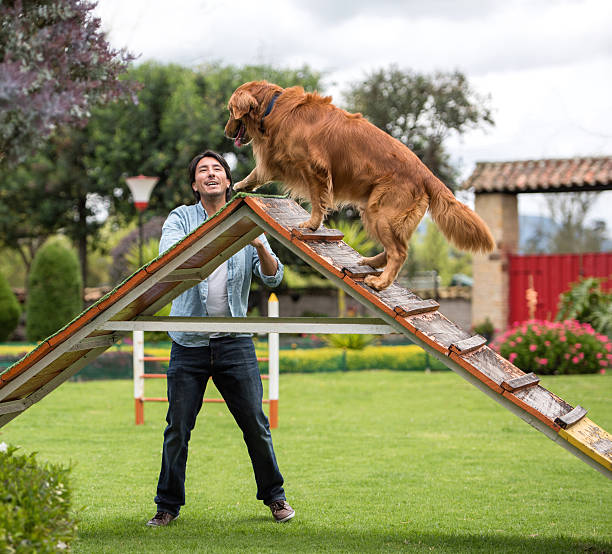
How Chapel Hill Training Program Works for Reactive Dogs
Dog training services are essential for pet owners dealing with reactive behavior, and providers like Top Dog Training and Resort play a key role in delivering structured solutions. If your dog barks, lunges, or becomes anxious around other dogs or people, you are not alone. Many owners struggle to manage these behaviors without proper guidance.Chapel Hill’s training program is designed to address these challenges through proven methods, including behavior modification, leash training, and socialization classes.
Understanding how this program works can help you make informed decisions and improve your dog’s quality of life.
Understanding Reactive Behavior in Dogs
Reactive dogs respond intensely to specific triggers. These triggers may include strangers, other animals, loud noises, or unfamiliar environments. Unlike aggression, reactivity often stems from fear, frustration, or lack of social exposure.
For example, a dog may bark and lunge on a leash because it feels threatened or overstimulated. This behavior can escalate if not addressed early. Therefore, structured dog training Chapel Hill programs focus on identifying triggers and changing responses.
Early intervention plays a key role. The longer reactive behavior continues, the more ingrained it becomes. With proper training, dogs can learn calmer and more controlled responses.
Why Choose Dog Training Chapel Hill for Reactive Dogs
Professional dog training Chapel Hill services provide structured support that is difficult to achieve alone. Reactive dogs require careful handling and consistent strategies. Without guidance, owners may unintentionally reinforce negative behaviors.
A professional program offers several benefits. First, it ensures safety for both the dog and others. Second, it provides a clear training plan tailored to your dog’s needs. Third, it helps build confidence in both the dog and the owner.
In addition, reactive behavior can worsen over time if ignored. Seeking expert help early can prevent long-term issues and improve daily life.
Overview of Chapel Hill Training Philosophy
Chapman Hill uses a positive reinforcement approach. This means rewarding desired behaviors rather than punishing unwanted ones. This method builds trust and encourages learning in a safe environment.
The program is based on modern behavioral science. Techniques such as desensitization and counter-conditioning are used to change how dogs respond to triggers. Each training plan is customized, ensuring that your dog receives the attention it needs.
This approach not only improves behavior but also strengthens the bond between you and your dog.
Step-by-Step Breakdown of the Training Program
Initial Assessment and Behavior Evaluation
The first step in the dog training Chapel Hill program is a detailed assessment. Trainers evaluate your dog’s behavior, history, and triggers. This helps create a personalized training plan.
During this stage, specific goals are established. For example, reducing barking during walks or improving calmness around other dogs. A clear starting point ensures measurable progress.
Behavior Modification Techniques
Behavior modification is the core of the program. Trainers use desensitization to gradually expose dogs to triggers at a safe level. Over time, the intensity increases as the dog becomes more comfortable.
Counter-conditioning is also used. This technique replaces negative reactions with positive associations. For instance, a dog that reacts to other dogs may learn to associate them with rewards.
These methods are effective because they address the root cause of reactivity rather than just the symptoms.
Leash Training for Reactive Dogs
Leash training is essential for managing reactive dogs. Many issues occur during walks, where dogs feel restricted and unable to escape triggers.
The program teaches loose leash walking. Dogs learn to stay calm and focused instead of pulling or lunging. Trainers also show owners how to maintain control without causing stress.
Proper leash training improves safety and makes daily walks more enjoyable.
Socialization Classes for Reactive Dogs
Socialization is a critical part of dog training Chapel Hill programs. However, reactive dogs require controlled environments to prevent overwhelming experiences.
Chapman Hill offers structured socialization classes. These classes expose dogs to others in a safe and supervised setting. Trainers carefully manage interactions to build confidence.
Over time, dogs learn to remain calm around others. This reduces anxiety and improves overall behavior.
Owner Education and Coaching
Training does not end with the dog. Owners play a vital role in maintaining progress.Chapel Hill emphasizes education and coaching throughout the program.
Owners learn to read body language, recognize early signs of stress, and respond appropriately. Consistency at home is essential for success.
In addition, trainers provide practical tips for reinforcing good behavior. This ensures long-term results beyond the training sessions.
Common Challenges and How the Program Addresses Them
Reactive dogs often face several challenges. One common issue is fear-based reactivity. Dogs may react aggressively because they feel threatened. The program addresses this through gradual exposure and positive reinforcement.
Another challenge is overstimulation. Busy environments can overwhelm dogs, leading to unpredictable behavior. Training focuses on building tolerance and calm responses.
Lack of consistency is also a major factor. Inconsistent training can confuse dogs and slow progress.Chapel Hill provides clear guidelines to ensure consistent handling.
Expected Results and Timeline
Results vary depending on the dog and the severity of the behavior. However, most owners notice improvements within a few weeks.
Short-term results may include reduced barking and better focus during walks. Long-term results involve lasting behavioral changes and improved confidence.
It is important to set realistic expectations. Reactive behavior does not disappear overnight. Consistent effort and patience are key to success.
Tips for Managing Reactive Dogs at Home
Managing a reactive dog requires daily effort. First, establish a consistent routine. Dogs thrive on predictability and structure.
Second, avoid known triggers when possible. Gradual exposure is more effective than sudden encounters. Third, reinforce training techniques learned during sessions.
In addition, provide mental stimulation through games and activities. This helps reduce stress and improves overall behavior.
Conclusion
Dog training Chapel Hill programs offer a structured and effective approach for reactive dogs. By combining behavior modification, leash training, and socialization classes, the program addresses the root causes of reactivity.
With professional guidance and consistent effort, dogs can learn calmer and more controlled responses. This not only improves behavior but also enhances the bond between dogs and their owners.
Investing in proper training is a step toward a safer and more enjoyable life with your pet. If you are ready to take the next step, Contact Us today to learn more about the program and get started.



Thank you for loving him!
While there, he did have a medical event which came as a surprise to everyone, I received a call explaining the situation and a suggested course of action. Being overseas there was little I could do. Again, Jenny and the Top Dog staff stepped up going beyond the call for Loki. Today, we picked him up, healthy and very happy and I cannot express enough gratitude for the amazing care, play and training these folks did for Loki. You guys are awesome!
Update: 3/15/24 Elodie is still going here and extremely excited when we pull in their driveway. I wish I could add more stars to their review! This past week was Elodie’s second birthday. They threw her a little birthday pawty and gave her a doggie cookie-cake! I updated the photos to show a screenshot of a video they provided to me. I’m so pleased with their care of my fur baby ❤️
FAQs (Frequently Asked Questions)
Reactive behavior is often caused by fear, anxiety, or lack of socialization. Identifying triggers is the first step toward improvement.
The timeline varies, but many dogs show improvement within a few weeks. Long-term success depends on consistency.
Most dogs can significantly improve with training. While some may always be sensitive, their reactions can be controlled.
Yes, when conducted in a controlled environment with professional supervision. These classes are designed to build confidence safely.
Yes, owner involvement is essential. Consistent practice at home ensures lasting results.