
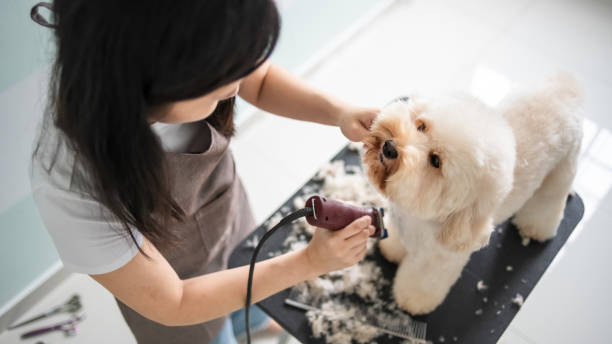
Dog grooming NC services are essential for keeping pets clean, healthy, and comfortable before and after a boarding stay. Many pet owners prepare food, toys, and bedding before leaving their dogs at a boarding facility, but grooming is equally important. A clean and well groomed dog feels more relaxed during boarding and is less likely to experience skin irritation, matting, or hygiene related issues.
Professional grooming before boarding also helps staff manage pets more easily. Clean coats, trimmed nails, and healthy ears contribute to a safer and more comfortable environment for both pets and caregivers. Trusted providers like Top Dog Training and Resort understand the importance of combining grooming and boarding care to create a stress free experience for pets. After boarding, another grooming session helps remove dirt, loose fur, and odors your dog may pick up during their stay.
Why Grooming Before Boarding Is Important
Preparing your dog with professional grooming before boarding can improve their overall experience. Dogs spend time socializing, playing outdoors, and resting in shared environments during boarding stays. Because of this, hygiene becomes extremely important.
A grooming session before boarding removes excess fur, dirt, and allergens from your dog’s coat. It also allows groomers to check for early signs of skin irritation, ear infections, or fleas. Catching these issues early helps prevent discomfort while your pet is away from home.
In addition, dogs feel more comfortable when their nails are trimmed and their coat is properly brushed. Grooming reduces the chance of painful matting and helps dogs move around more easily during activities.
Schedule a Professional Bath Before Boarding
One of the best ways to prepare your pet for boarding is by scheduling a professional bath. Clean fur reduces odors and keeps your dog feeling fresh throughout their stay. Bathing also removes loose hair and helps improve coat health.
Professional dog grooming in NC providers use pet friendly shampoos that match different coat and skin types. Dogs with sensitive skin may require gentle formulas, while thick coated breeds may benefit from deep cleaning shampoos that remove trapped dirt and oils.
Bathing before boarding is especially helpful for dogs that spend time outdoors. Dirt and debris trapped in the coat can lead to irritation if not cleaned properly before the boarding stay begins.
Benefits of Bathing Before Boarding
A proper bath does more than improve appearance. It supports better hygiene and overall comfort for your pet during boarding. Clean coats also make it easier for boarding staff to monitor your dog’s skin and fur condition throughout the stay.
Dogs with long hair or thick double coats benefit the most from professional bathing because these coat types trap dirt more easily. A fresh and clean coat also reduces shedding inside boarding areas.
Trim Nails for Better Comfort
Nail trimming is another important step in dog boarding preparation. Long nails can create discomfort when dogs walk or run on hard surfaces. During boarding, pets are often more active because they spend time playing and socializing with other dogs.
If nails become too long, they may crack or split, causing pain and difficulty walking. Trimmed nails help dogs maintain proper balance and posture. They also reduce the risk of scratches during interactions with staff or other pets.
Professional groomers know how to trim nails safely without causing stress or injury. Many dogs become anxious during nail trims at home, which makes professional grooming a better option before boarding.
Signs Your Dog Needs a Nail Trim
Pet owners sometimes overlook nail care until problems develop. If you hear clicking sounds when your dog walks across the floor, it may be time for a trim. Curved nails, paw licking, and difficulty walking comfortably are also common signs.
Regular nail maintenance improves mobility and helps dogs stay active throughout their boarding stay.
Clean Your Dog’s Ears Before Boarding
Ear cleaning for dogs is an important part of maintaining proper boarding hygiene. Dirty ears can trap moisture, wax, and bacteria, especially in active boarding environments where dogs spend time outdoors or around water.
Professional dog grooming NC services include careful ear cleaning to remove buildup and reduce the risk of infection. Groomers use safe products designed specifically for canine ear care.
Dogs with floppy ears are especially prone to moisture buildup because airflow inside the ears is limited. If left untreated, this can lead to irritation and unpleasant odors.
Why Ear Hygiene Matters
Healthy ears help dogs stay comfortable during boarding. Excess wax or dirt can cause itching and discomfort, leading dogs to scratch their ears repeatedly.
A professional grooming appointment before boarding allows groomers to identify redness, swelling, or unusual discharge that may require veterinary attention. Addressing these concerns early helps prevent complications during your dog’s stay.
Brush the Coat to Prevent Matting
Brushing is one of the most important grooming practices for maintaining a healthy coat. Before boarding, professional brushing removes loose fur, tangles, and dirt trapped within the coat.
Matting is a common issue for long haired breeds and dogs with curly fur. Mats pull tightly against the skin and can become painful if left untreated. During boarding, active play and outdoor activities may worsen tangles and create larger mats.
Professional groomers use specialized brushes and tools to remove knots safely without hurting the dog. Regular brushing also improves airflow through the coat and distributes natural oils evenly.
Coat Care During Boarding Preparation
Dogs with thick or curly coats often require more attention before boarding. Breeds such as Poodles, Golden Retrievers, and Doodles benefit greatly from thorough brushing and trimming before their stay.
Well maintained coats are easier to clean and less likely to trap moisture or bacteria during boarding activities.
Check for Fleas and Ticks
Flea and tick prevention should always be part of your grooming routine before boarding. Most boarding facilities require pets to be free from parasites before check in because fleas and ticks spread quickly among animals.
Professional grooming sessions provide an excellent opportunity to inspect your dog carefully. Groomers can identify flea dirt, ticks, skin irritation, or unusual scratching patterns that may indicate a problem.
If parasites are found before boarding, treatment can begin immediately. This protects your pet and prevents the spread of pests within the boarding facility.
Importance of Parasite Prevention
Fleas and ticks can create serious discomfort for dogs. They may also cause skin infections and allergic reactions if left untreated.
Routine grooming and preventative treatments help maintain a healthier environment for all pets in the boarding facility. In addition, dogs feel more comfortable and relaxed when their skin and coat are free from irritation.
Schedule Grooming After Boarding
Many pet owners focus only on grooming before boarding, but post boarding grooming is equally important. Dogs often return home with loose fur, dirt, and outdoor debris after spending several days in an active environment.
A grooming session after boarding helps refresh your pet and restore coat cleanliness. Bathing removes odors and allergens while brushing eliminates loose hair and tangles that may have formed during the stay.
Post boarding grooming also allows professionals to check for skin irritation, ear issues, or small injuries that may have occurred while your dog was away.
What Happens During Post Boarding Grooming
Most post boarding grooming appointments include bathing, brushing, ear cleaning, and nail trimming. Some dogs may also require sanitary trimming or coat conditioning treatments depending on their breed and coat type.
These services help dogs feel relaxed and comfortable after returning home from boarding.
Maintain a Consistent Grooming Routine
Consistent grooming supports your dog’s long term health and makes boarding experiences easier. Waiting until the last minute before boarding can lead to stress for both pets and owners.
Routine dog grooming NC services help maintain healthy skin, clean ears, and manageable coats throughout the year. Dogs that receive regular grooming are usually more comfortable with handling, bathing, and nail trimming procedures.
Professional groomers can also recommend customized schedules based on your dog’s breed, activity level, and coat condition.
How Often Should Dogs Be Groomed?
Most dogs benefit from professional grooming every four to eight weeks. However, dogs with long or curly coats may require more frequent visits to prevent matting and excessive shedding.
Regular grooming appointments also help identify health concerns early, including skin infections, ear problems, or parasites.
Choosing the Right Grooming and Boarding Facility
Finding a trusted provider for both grooming and boarding is extremely important. A clean and professional environment ensures your dog receives proper care before, during, and after their stay.
Look for facilities with experienced groomers, trained boarding staff, and strong hygiene practices. Reading customer reviews and touring the facility can also help you make a confident decision.
Many pet owners prefer locations that offer grooming and boarding together because it reduces travel stress and simplifies scheduling.
Questions to Ask Before Booking
Before choosing a facility, ask about grooming products, sanitation procedures, exercise schedules, and staff supervision. Understanding how pets are cared for helps ensure a safe and comfortable boarding experience.
Reliable dog grooming NC providers will answer questions clearly and explain how they support pet health and hygiene during boarding stays.
Conclusion
Dog grooming NC services are an essential part of preparing pets for boarding and helping them recover comfortably afterward. Bathing, brushing, nail trimming, and ear cleaning all contribute to better hygiene and improved comfort during boarding stays.
Pre boarding grooming helps dogs feel cleaner and more relaxed, while post boarding grooming removes dirt, loose fur, and odors collected during their time away from home. Maintaining a consistent grooming routine throughout the year also supports healthier skin, cleaner coats, and better overall wellness.
Whether your dog is staying for a short weekend or a longer trip, professional grooming can make the boarding experience safer and more comfortable. Schedule a grooming appointment with a trusted pet care provider today to keep your dog healthy, clean, and happy.



Thank you for loving him!
While there, he did have a medical event which came as a surprise to everyone, I received a call explaining the situation and a suggested course of action. Being overseas there was little I could do. Again, Jenny and the Top Dog staff stepped up going beyond the call for Loki. Today, we picked him up, healthy and very happy and I cannot express enough gratitude for the amazing care, play and training these folks did for Loki. You guys are awesome!
Update: 3/15/24 Elodie is still going here and extremely excited when we pull in their driveway. I wish I could add more stars to their review! This past week was Elodie’s second birthday. They threw her a little birthday pawty and gave her a doggie cookie-cake! I updated the photos to show a screenshot of a video they provided to me. I’m so pleased with their care of my fur baby ❤️
FAQs (Frequently Asked Questions)
It is usually best to schedule grooming one to three days before boarding. This timing keeps your dog clean while allowing any skin sensitivity to calm before the stay.
Yes. Trimmed nails improve comfort and reduce the risk of injuries during play and daily activities at the boarding facility.
Post boarding grooming helps remove dirt, odors, and loose fur while allowing groomers to check for skin or ear issues.
Most dogs benefit from grooming every four to eight weeks, depending on their breed, coat type, and activity level.
Clean ears reduce the risk of infection and discomfort during boarding, especially for dogs with floppy ears or heavy wax buildup.