
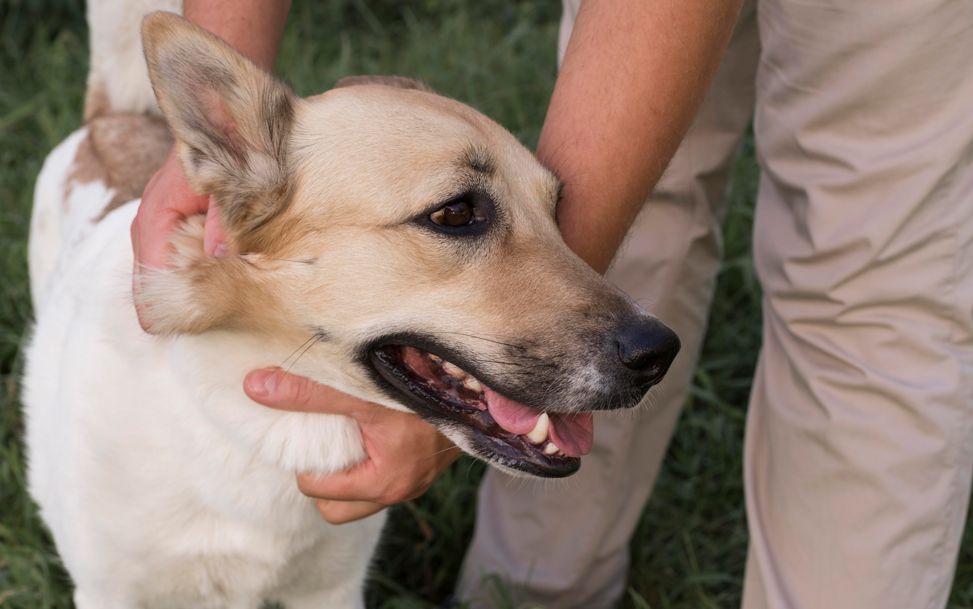
Dogs use their senses to understand the world around them. While their eyes, ears, and noses receive much of the attention, their whiskers also play an important role in everyday activities. These small, noticeable hairs around the face help dogs sense nearby objects, understand their surroundings, and respond to changes in their environment. Pet owners searching for dog boarding should also understand these natural features when choosing proper care for their dogs.
If you have ever wondered why do dogs have whiskers, the answer goes beyond appearance. These specialized hairs are connected to sensitive nerve endings that help dogs gather information about objects and movement around their faces. Understanding their purpose can help pet owners make better decisions about everyday dog care, grooming, and choosing a dog boarding resort in Durham, NC that respects their pet’s comfort and needs.
What Are Dog Whiskers?
Dog whiskers are specialized sensory hairs that grow around certain areas of a dog’s face. Unlike ordinary body hair, they are connected to highly sensitive hair follicles that help detect physical changes in the surrounding environment.
These hairs are also known as vibrissae. They are usually thicker and stiffer than regular fur and can be found in several areas around the face.
Where Are Whiskers Located on a Dog’s Face?
Most dogs have whiskers in a few specific areas:
- Above the eyes: These whiskers help dogs sense nearby objects and potential contact around the upper face.
- On the cheeks: They provide information about objects close to the sides of the face.
- Around the muzzle: These hairs help dogs detect nearby surfaces and objects.
- Below the chin: Some dogs have sensory hairs underneath the lower jaw that help gather information when exploring.
The number, length, and appearance of whiskers can vary depending on the individual dog and its breed.
Why Do Dogs Have Whiskers? 5 Important Reasons
Whiskers are more than simple facial hairs. They help dogs collect sensory information that supports several everyday activities.
1. Whiskers Help Dogs Understand Their Surroundings
One of the main purposes of whiskers is to help dogs detect objects close to their faces. When a dog approaches furniture, walls, or other objects, its whiskers can respond to physical contact and changes in nearby air movement. Sensory signals travel through the follicles to the nervous system, helping the dog understand what is around its face.
This can be especially helpful in areas where visual information is limited.
2. They Help Dogs Navigate Tight Spaces
Dogs sometimes move through narrow spaces, explore bushes, or investigate areas with limited visibility. Whiskers provide additional sensory information when their faces come close to nearby objects. This helps dogs respond to physical surroundings while moving around. However, whiskers do not work like measuring tools that tell a dog exactly whether its entire body can fit through a space. They provide additional information about nearby objects.
3. Whiskers Support Facial Protection
The whiskers around a dog’s eyes can respond when something comes close to the face. For example, contact with a branch, grass, or another object may trigger a quick response, encouraging the dog to blink or move its head. This sensory response can help protect sensitive facial areas from unexpected contact.
4. They Help Dogs Detect Nearby Movement
Whiskers can detect small changes in their immediate surroundings through contact and air movement. This ability provides additional sensory information when dogs investigate objects or move around unfamiliar places. Although dogs mainly depend on their vision, hearing, and smell to understand their environment, whiskers provide another useful source of information.
5. They Help Dogs Explore Their Environment
Dogs naturally use their faces when investigating new objects, toys, food, and unfamiliar surroundings. Whiskers help them gather information when their muzzle or cheeks come close to something. This sensory feedback supports natural exploring behaviors and helps dogs respond to their immediate environment.
How Do Dog Whiskers Actually Work?
Understanding how whiskers function makes their importance easier to recognize. Each whisker grows from a specialized follicle containing sensory nerve endings. When a whisker bends or moves, the surrounding sensory structures detect that movement and send information to the brain.
Why Are Whisker Follicles So Sensitive?
Whisker follicles contain a rich network of sensory nerves and blood vessels. This makes them more sensitive than ordinary hair follicles. Even small movements can produce sensory signals. These signals help dogs detect contact, nearby objects, and changes in their surroundings.
Can Dogs Feel When Their Whiskers Are Touched?
Yes. Dogs can sense when their whiskers are touched because the follicles are connected to sensory nerves. Some dogs may move their heads, blink, or turn away when someone touches their whiskers. This is one reason pet owners should handle the facial area gently. Avoid pulling, twisting, or unnecessarily playing with these sensitive hairs.
What Happens If You Cut a Dog’s Whiskers?
Cutting a dog’s whiskers does not usually cause direct pain because the visible hair itself does not contain nerves. However, removing them can reduce some of the sensory information available to the dog. Dogs with shortened whiskers may have more difficulty detecting certain nearby objects through facial touch.
Should You Trim Your Dog’s Whiskers During Grooming?
Generally, no. Whiskers should be left intact unless a veterinarian recommends a specific treatment for medical reasons. Even during regular grooming, it is best to avoid trimming these sensory hairs simply to improve appearance. If you use a dog daycare pick up service or visit a professional dog groomer, explain that you prefer your dog’s whiskers to remain untouched.
Do Dog Whiskers Grow Back?
Yes. If whiskers are accidentally cut or naturally shed, they can grow back over time. However, the regrowth period varies between individual dogs. Avoid repeatedly trimming them because they provide useful sensory information.
Do All Dogs Have the Same Type of Whiskers?
No. Whisker length, thickness, color, and placement can vary between breeds and individual dogs. Some dogs have long, noticeable facial hairs, while others have shorter whiskers that are less visible.
Why Do Some Dogs Have Longer Whiskers?
Breed characteristics, genetics, and individual differences can influence whisker appearance. Dogs with longer muzzles may have whiskers that appear more prominent than those of dogs with shorter faces. The length of a whisker does not necessarily determine how well a dog can sense its surroundings. The sensory follicles and nerve connections are also important.
Do Puppies Have Whiskers?
Yes. Puppies develop whiskers at a young age. These sensory hairs help them gather information about their surroundings as they begin exploring the world. Whiskers remain useful throughout a dog’s life.
How to Care for Your Dog’s Whiskers
Whiskers do not require a complicated cleaning routine. However, gentle handling and appropriate grooming habits can help keep the facial area comfortable.
Follow these simple care tips:
- Avoid cutting or pulling whiskers.
- Use a soft cloth to clean dirt around the muzzle.
- Avoid applying strong cleaning products near the face.
- Brush surrounding facial fur gently.
- Check for redness, swelling, or unusual irritation.
- Ask a veterinarian about sudden changes or damage around the whisker follicles.
Choose Gentle Grooming Practices
Facial grooming requires extra care because dogs have sensitive areas around their eyes, nose, and mouth. When arranging professional services such as dog grooming in Durham NC, ask the groomer to avoid trimming the whiskers unless there is a medical reason. Gentle handling helps reduce discomfort and keeps your dog’s natural sensory features intact.
Common Myths About Dog Whiskers
Several misunderstandings exist about the purpose of whiskers. Knowing the facts can help owners avoid unnecessary grooming mistakes.
Myth 1: Whiskers Are Just Ordinary Hair
Fact: Whiskers are specialized sensory hairs connected to sensitive nerve structures.
Myth 2: Cutting Whiskers Always Causes Pain
Fact: Cutting the visible hair generally does not cause direct pain, but it can reduce useful sensory feedback.
Myth 3: Dogs Only Use Whiskers in the Dark
Fact: Whiskers provide sensory information in both bright and dark environments.
Myth 4: All Dogs Have Identical Whiskers
Fact: Whisker appearance and placement can vary depending on breed and individual characteristics.
How Professional Dog Care Supports Your Pet’s Well-Being
Understanding your dog’s natural features is an important part of responsible pet ownership. Along with protecting its whiskers, regular exercise, proper grooming, training, and supervised care contribute to overall well-being.
Pet owners looking for additional support may consider professional services based on their dog’s needs. Options such as train and board dog training can provide structured learning, while dog boarding searches can help owners compare suitable care facilities when travelling.
For busy households, services such as dog training durham and dog daycare pick up may also provide convenient support, depending on local availability. Always choose experienced professionals who understand canine behavior and handle dogs with patience and care.
Conclusion: Protect Your Dog’s Whiskers and Natural Senses
Dog whiskers play an important role in helping dogs understand their surroundings, detect nearby objects, and respond to physical contact around their faces. These specialized sensory hairs provide useful information that supports everyday exploration and facial protection. Avoid trimming or pulling them during regular grooming, and always handle your dog’s face gently.
Taking care of your dog’s natural features is an important part of responsible pet ownership. If you want to learn more about proper grooming, training, and everyday dog care, contact at top dog training and resort today to discuss the best approach for your dog’s needs.





I’m a law student watching my parents’ French bulldog Enzo for a month while they travel, and finding a trustworthy daycare was a top priority. I researched every option within 30 minutes of me — and chose Top Dog over several closer places purely based on the reviews. Now I understand why people wrote them.
The staff members are amazing, they literally know every dog by name!!!
Enzo comes home happily tired, not overwhelmed. The themed activities (pool parties, picnics, ) are such a fun touch, and he’s learned to sit and stay. We wasn’t even looking for training, just the best daycare but wow what a bonus!
The photo updates throughout the day on Facebook are genuinely so reassuring. If you’re a worried pet parent, being able to check in visually made a huge difference.
We are so sad Top Dog isn’t in Ohio. I attached some pictures so y’all can see for yourselves how happy he was here! 11/10, couldn’t recommend Top Dog more!


Thank you for loving him!

While there, he did have a medical event which came as a surprise to everyone, I received a call explaining the situation and a suggested course of action. Being overseas there was little I could do. Again, Jenny and the Top Dog staff stepped up going beyond the call for Loki. Today, we picked him up, healthy and very happy and I cannot express enough gratitude for the amazing care, play and training these folks did for Loki. You guys are awesome!


FAQs (Frequently Asked Questions)
Dogs have whiskers to detect nearby objects, respond to physical contact, and gather sensory information about their surroundings. These specialized hairs help them explore their environment.
The visible whisker hair does not contain nerves, but its follicle is surrounded by sensitive nerve endings. These nerves detect whisker movement and send sensory information to the brain.
It is generally best to avoid cutting them. Although trimming the visible hair does not usually cause direct pain, it can reduce the dog’s ability to receive certain sensory signals.
Yes. Whiskers usually grow back after being cut or shed naturally. However, the regrowth period varies between dogs.
Whiskers are not responsible for maintaining balance. They provide sensory information about nearby objects and movement, while balance mainly depends on the dog’s inner ear, vision, and body-position senses.