
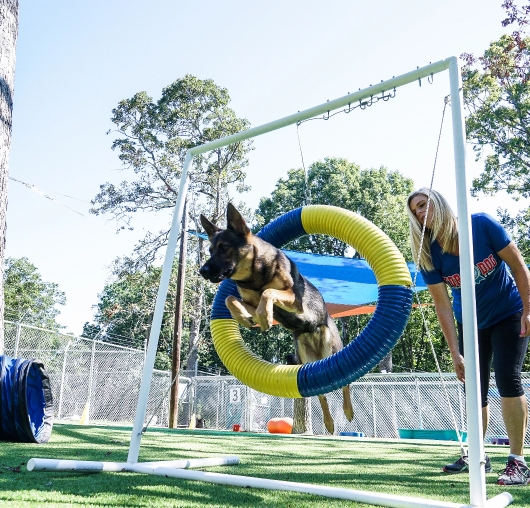
Starting dog training can feel overwhelming, especially for first time pet owners. TopDog Training And Resort works with families across the Triangle area who want well behaved, confident dogs and a clear understanding of how training works. If you are searching for dog training Durham resources, this guide will walk you through the basics, what to expect, and how to start on the right path.
Durham is a dog friendly city with parks, neighborhoods, and active lifestyles that place real demands on pet behavior. Training is not only about obedience. It is about safety, communication, and building a positive relationship between you and your dog.
Why Dog Training Matters for Durham Pet Owners
Dog training helps dogs adapt to real life situations. In Durham, dogs regularly encounter other pets, children, traffic, and public spaces. Without training, these encounters can become stressful or unsafe.
Training builds structure and predictability. Dogs thrive when they understand expectations. This reduces anxiety and unwanted behaviors.
For owners, training improves confidence. Knowing how to guide your dog through new situations strengthens trust and improves daily life.
Dog training NC programs also support community safety. Well trained dogs are less likely to run loose, jump on strangers, or react aggressively.
What to Expect From Dog Training in Durham
Dog training is a process, not a one time event. Most programs focus on gradual improvement rather than instant results.
Training sessions usually involve both dogs and owners. Learning how to communicate clearly is just as important as teaching commands.
Consistency is key. Progress depends on practicing skills at home between sessions.
Most dogs show noticeable improvement within weeks, but long term success comes from repetition and patience.
Understanding Training Methods
Modern dog training focuses on positive reinforcement. This method rewards desired behavior rather than punishing mistakes.
Positive reinforcement dog training uses treats, praise, toys, or affection to encourage good choices. Dogs learn faster when they feel safe and motivated.
This approach builds confidence and trust. It also reduces fear based reactions that can develop with harsh methods.
Positive reinforcement is effective for puppies and adult dogs of all breeds.
Puppy Training Basics
Puppy training tips focus on foundation skills that shape lifelong behavior.
Socialization is one of the most important steps. Puppies need exposure to people, dogs, sounds, and environments in a controlled way.
House training requires consistency and routine. Puppies learn where to go by following schedules and receiving praise for success.
Crate training provides structure and safety. When used correctly, crates become a comfortable space rather than a punishment.
Early puppy training prevents future behavior problems and builds confidence.
Basic Commands Every Dog Should Learn
Basic obedience creates structure and safety in daily life.
Sit helps manage excitement and focus attention.
Stay builds impulse control and patience.
Come is one of the most important safety commands. A reliable recall can prevent dangerous situations.
Loose leash walking improves daily walks and reduces frustration for both dog and owner.
These commands form the foundation of effective communication.
Common Behavior Challenges
Many dog owners search for a dog trainer near me when facing behavior issues. These challenges are common and manageable with training.
Jumping often comes from excitement or attention seeking. Training teaches dogs appropriate ways to greet people.
Excessive barking can be caused by boredom, anxiety, or alert behavior. Identifying the cause is key.
Leash pulling happens when dogs are overstimulated or lack guidance. Structured walking techniques make a significant difference.
Professional dog training Durham programs address these issues through clear strategies and owner education.
Choosing a Dog Trainer in Durham, NC
Not all trainers use the same methods. Choosing the right fit matters.
Look for trainers who emphasize positive reinforcement and clear communication.
Ask about experience, certifications, and training philosophy.
Observe how trainers interact with dogs. Calm, confident handling is a good sign.
A reputable dog training NC provider will involve you in the process and explain each step clearly.
Group Training vs Private Training
Group classes provide socialization and structured learning in a controlled environment.
They are ideal for basic obedience and puppies who need exposure to other dogs.
Private training offers personalized attention and focuses on specific challenges.
Many owners benefit from a combination of both.
Your choice depends on goals, schedule, and your dog’s temperament.
Training at Home Between Sessions
Training does not stop when sessions end. Daily practice reinforces learning.
Short, frequent sessions work better than long ones.
Use consistent cues and rewards.
Practice in different environments to help dogs generalize skills.
Patience and consistency lead to lasting results.
Conclusion
Dog training is an investment in your dog’s wellbeing and your peace of mind. Whether you are starting with a new puppy or addressing behavior challenges, proper training creates a happier and safer home.
TopDog Training And Resort supports Durham pet owners with structured, positive, and effective dog training programs. With the right guidance and consistency, every dog can learn and thrive.
Contact Us today to begin your dog training journey in Durham, NC.


Thank you for loving him!
While there, he did have a medical event which came as a surprise to everyone, I received a call explaining the situation and a suggested course of action. Being overseas there was little I could do. Again, Jenny and the Top Dog staff stepped up going beyond the call for Loki. Today, we picked him up, healthy and very happy and I cannot express enough gratitude for the amazing care, play and training these folks did for Loki. You guys are awesome!
Update: 3/15/24 Elodie is still going here and extremely excited when we pull in their driveway. I wish I could add more stars to their review! This past week was Elodie’s second birthday. They threw her a little birthday pawty and gave her a doggie cookie-cake! I updated the photos to show a screenshot of a video they provided to me. I’m so pleased with their care of my fur baby ❤️
FAQs (Frequently Asked Questions)
Training can begin as early as eight weeks for puppies, but dogs of any age can learn.
Basic training usually takes several weeks. Ongoing practice improves long term behavior.
Yes, it works for most dogs when applied correctly and consistently.
Professional guidance helps prevent mistakes and speeds up progress, especially for beginners.
Structured training programs address common issues through customized plans.
