
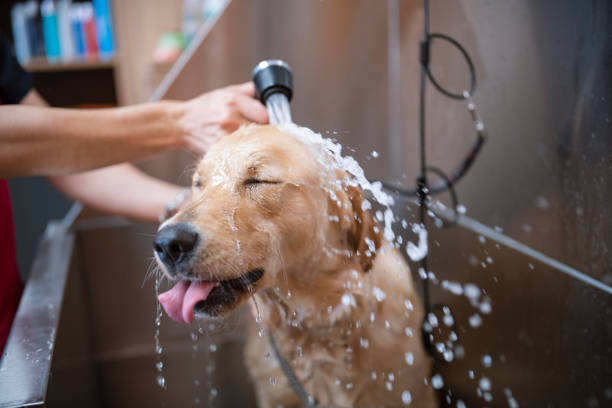
How to keep a dog clean between grooming visits does not mean giving your pet a full bath every few days. Simple care at home can help remove dirt, loose hair, and outdoor debris before they build up. Regular brushing and quick clean-ups can also help your dog stay fresh between professional grooming appointments.
At Top Dog Training and Resort, we understand that simple home care can make grooming easier for both you and your dog. A consistent routine can help keep your pet comfortable, reduce dirt and tangles, and make their next professional grooming visit more manageable.
Key Takeaways
Keeping your dog clean between grooming appointments is mostly about small habits. Brushing, wiping dirty paws, checking the coat, and keeping bedding clean can make a big difference. Your dog’s coat type, lifestyle, and time spent outdoors should guide how often you provide each type of care.
- Brush your dog regularly based on their coat type.
- Wipe paws and dirty areas after walks and outdoor play.
- Keep bedding, collars, and toys clean.
- Use dog-safe products instead of human soaps.
- Schedule professional grooming when home care is no longer enough.
Brush Your Dog Regularly to Remove Dirt
Brushing helps keep your dog clean between grooming visits by removing loose hair, dust, grass, and debris. It is also one of the most useful grooming tips for your dog, as it can reduce tangles and keep the coat easy to manage.
Choose a brush based on your dog’s coat and brush gently around the belly, legs, ears, and tail. If you find a tight mat, avoid pulling it and seek professional grooming help.
Wipe Your Dog’s Paws After Walks
Your dog’s paws can collect dirt faster than almost any other part of the body. Grass, mud, dust, and other outdoor debris can stay between the toes or on the paw pads. Cleaning the paws after walks can help keep your home cleaner while also giving you a chance to check your dog’s feet.
Use a soft, damp cloth or a pet-safe wipe to clean the paws. Pay attention to the spaces between the toes, then dry the feet well. Regular paw checks can help you notice cuts, swelling, cracked pads, or objects stuck in the fur before they become bigger problems.
Keep the Face and Coat Fresh
Some parts of your dog’s body collect dirt more easily than others. The face, belly, legs, and area around the mouth can become messy after eating, playing outside, or rolling on the ground. A quick clean in these areas can often refresh your dog without the need for a full bath.
Use a clean, damp cloth for small areas of dirt. Avoid perfumes, strong cleaners, and human skin products because they may irritate your dog’s skin. If your dog has ongoing redness, unusual discharge, strong odors, or repeated itching, cleaning alone may not solve the problem. Speak with a veterinarian when these signs continue.
Use a Quick Wipe-Down Instead of a Full Bath
Not every dirty spot needs a complete bath. If your dog has picked up a little dust or dirt after playing outside, a quick wipe-down can be enough. This approach can save time and prevent unnecessary bathing, especially when the rest of the coat is still clean.
- Use a damp towel for light dirt on the coat.
- Wipe the belly and legs after outdoor play.
- Clean dirty paws before your dog comes inside.
- Dry damp areas with a clean towel.
- Brush the coat after it dries if loose dirt remains.
A quick clean works best for minor messes. If your dog is covered in mud, has a strong odor, or has something stuck in the coat, a proper bath or professional grooming session may be more suitable.
Choose the Right Bathing Routine
Bathing is an important part of dog hygiene, but too many baths may dry out the skin and coat. There is no single bathing schedule that works for every dog. Active dogs that spend a lot of time outdoors may need more cleaning than dogs that spend most of their time indoors.
When your dog needs a bath, use a shampoo made for dogs. Wet the coat with warm water and work the shampoo gently through the fur. Rinse very well because leftover product can irritate the skin. Dry the coat properly afterward, especially for dogs with thick or long hair.
Be Careful With Homemade Dog Soap
Searches for a dog soap bar recipe may make homemade soap seem like an easy option for bath time. However, making soap at home can involve ingredients that may not be suitable for a dog’s skin. A product that feels gentle to people is not always a safe choice for pets.
For routine bathing, choose a dog shampoo that is designed for canine skin and coat care. Avoid using regular human soap, dish soap, or strongly scented products unless a veterinarian has specifically recommended them. If your dog has sensitive skin or keeps scratching after baths, ask your veterinarian which type of shampoo is appropriate.
Keep Bedding and Dog Items Clean
Your dog can be freshly groomed and still become dirty again if their favorite bed, blanket, collar, or toys are covered in old dirt and loose hair. These items come into regular contact with the coat, so keeping them clean should be part of your pet-care routine.
Wash removable bedding and blankets according to their care instructions. Clean collars and harnesses when they become dirty or develop an odor. Food and water bowls should also be washed regularly. Toys should be checked for damage and cleaned based on the material. A cleaner environment helps your dog stay fresh for longer between grooming visits.
Make Grooming Part of Your Weekly Routine
A simple weekly routine can make home grooming feel much easier. Instead of waiting until your dog looks dirty or develops tangles, spend a few minutes checking the coat, paws, face, ears, and other areas. Short sessions can also help your dog become more comfortable with being handled.
- Brush the coat according to its length and texture.
- Check the paws after walks and outdoor activities.
- Look for dirt, mats, or unusual changes in the skin.
- Clean bedding and frequently used dog items.
- Check the ears, eyes, teeth, and nails during routine care.
Reward your dog for staying calm during these sessions. A few treats and a relaxed approach can make grooming feel like a normal part of the day rather than a stressful event.
Know When Professional Grooming Is Needed
Home maintenance is useful, but it cannot replace professional grooming for every dog. Long, curly, thick, or fast-growing coats may need regular trimming and deeper care. Professional grooming can also help when brushing becomes difficult or when your dog develops mats that cannot be safely removed at home.
Top Dog Training and Resort provides full-service bathing, trimming, and styling in Hillsborough. The facility combines professional grooming with boarding, training, and day school services, making it easier for pet owners to manage different aspects of their dog’s care.
Consider Professional Grooming for Local Care
A regular professional appointment can keep the coat manageable and reduce the amount of difficult grooming you need to do at home. Dogs with coats that grow quickly or become tangled easily may benefit from a consistent grooming schedule. Your dog’s breed, coat, activity level, and home routine should all be considered when deciding how often to book.
For owners looking for dog grooming in Durham, professional grooming can be a helpful option when regular brushing and basic cleaning are not enough. A groomer can provide services such as bathing, trimming, and styling while helping keep your dog comfortable during the process.
Watch for Signs That Need Extra Attention
Cleaning your dog regularly also gives you a chance to notice changes in the skin and coat. A new smell, repeated scratching, redness, hair loss, swelling, or unusual discharge may point to something more than normal dirt. These signs should not simply be covered up with another bath.
If an issue continues after cleaning, contact your veterinarian for advice. Groomers can help with coat and hygiene care, but they are not a replacement for veterinary treatment. Early attention can help prevent a small concern from becoming a larger problem.
How to Keep Your Dog Fresh Between Baths
A clean dog does not always need another bath. Regular brushing and spot cleaning can often manage everyday dirt while keeping the coat in good condition. This is especially useful for dogs that become messy after outdoor activities but do not need a full wash.
After walks, check the paws and belly first. Brush away loose dirt once the coat is dry, and use a damp cloth for small dirty areas. Keeping bedding and other dog items clean can also help your pet stay fresh. These simple habits can reduce the need for frequent full baths.
Conclusion
Keeping your dog clean between grooming visits is easier when you follow a simple routine. Regular brushing, clean paws, fresh bedding, and occasional baths can help control dirt and keep your dog comfortable.
Home care does not replace professional grooming, especially for dogs with thick, curly, or fast-growing coats. With the right routine and regular grooming support, you can get professional dog care guidance and help your dog stay fresh and healthy between appointments.



Thank you for loving him!
While there, he did have a medical event which came as a surprise to everyone, I received a call explaining the situation and a suggested course of action. Being overseas there was little I could do. Again, Jenny and the Top Dog staff stepped up going beyond the call for Loki. Today, we picked him up, healthy and very happy and I cannot express enough gratitude for the amazing care, play and training these folks did for Loki. You guys are awesome!
Update: 3/15/24 Elodie is still going here and extremely excited when we pull in their driveway. I wish I could add more stars to their review! This past week was Elodie’s second birthday. They threw her a little birthday pawty and gave her a doggie cookie-cake! I updated the photos to show a screenshot of a video they provided to me. I’m so pleased with their care of my fur baby ❤️
FAQs (Frequently Asked Questions)
Clean your dog whenever they get dirty, especially after outdoor activities. Regular brushing can also help remove dirt and loose hair.
Not every dog needs weekly baths. Too much bathing can dry the skin, so follow a routine based on your dog’s coat and lifestyle.
Brush away loose dirt and use a damp cloth on dirty paws, legs, belly, or other small areas. This can freshen your dog without a full bath.
Let heavy mud dry when possible, then brush away loose dirt. Give your dog a bath if the coat is still dirty after brushing.
Book professional grooming when your dog has mats, needs trimming, or becomes difficult to manage at home. Regular appointments can also help maintain the coat.
