
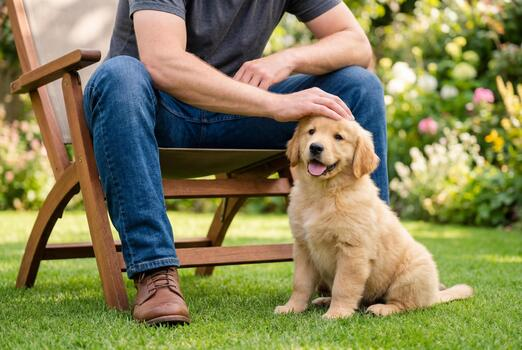
Puppy stages can change quickly, and knowing what to expect can make life much easier for new puppy owners. From opening their eyes to learning basic commands, puppies go through many physical, social, and behavior changes in their first few months. If you are searching for puppy classes Durham NC, understanding these early milestones can also help you know when your puppy is ready for more structured training.
At Top Dog Training and Resort, we know that every puppy learns at their own pace. Some puppies are bold and curious, while others need more time to feel comfortable. A clear timeline can help you support your puppy without expecting too much too soon.
Key Takeaways
The first months of life are an important time for learning, social growth, and building good habits. While every puppy develops at a slightly different speed, knowing the common puppy development stages can help you make better choices about training, socialization, play, and daily care.
- Puppies begin developing their senses during the first few weeks.
- Social learning becomes very important between 3 and 16 weeks.
- Basic training can start as soon as your puppy comes home.
- Positive experiences help puppies become more confident.
- Training should grow with your puppy’s age and ability.
Puppy Stages From Birth to 2 Weeks
During the first two weeks, puppies are very dependent on their mother. Their eyes and ear canals remain closed, and most of their time is spent sleeping, feeding, and staying close to their littermates. Their bodies are growing quickly, but they have very little control over their movements. Gentle care and a safe, warm environment are the main priorities during this stage.
At this age, puppies are not ready for obedience training or normal household activities. Their mother provides much of what they need. Early handling by responsible breeders can also help puppies become comfortable with gentle human contact. These first weeks are mostly about healthy growth rather than teaching commands or expecting independent behavior.
Puppy Development Stages at 3 to 4 Weeks
Around three weeks, major changes begin. Puppies become more aware of the world around them and start using their senses more effectively. They may begin walking, interacting with littermates, making new sounds, and exploring their surroundings. Play also starts becoming more noticeable as puppies learn through interaction with their mother and siblings.
By four weeks, puppies are becoming more mobile and curious. They may begin eating solid food as weaning starts. Their interactions with littermates also help them learn early social skills. These experiences are an important part of puppy development stages because puppies begin learning how to communicate and respond to other dogs.
Puppy Phases From 5 to 7 Weeks
The five-to-seven-week period is an active learning stage. Puppies become more confident explorers and spend more time playing with their littermates. They learn through movement, play, sounds, smells, and gentle interaction. Their mother and siblings also help teach boundaries, communication, and appropriate play behavior.
This is a good time for responsible breeders to introduce safe, positive experiences. Puppies can gradually experience different surfaces, sounds, people, and simple environments. These experiences should never overwhelm them. The goal is to build confidence while allowing puppies to explore at their own pace.
- Explore different safe surfaces and textures.
- Introduce gentle human handling.
- Allow healthy play with littermates.
- Provide age-appropriate toys and enrichment.
- Keep new experiences calm and positive.
Puppy Stages at 8 to 10 Weeks
Around eight to ten weeks, many puppies move to their new homes. This can be exciting but stressful as they adjust to new people, sounds, smells, and routines. Give your puppy time to feel safe and comfortable in their new environment.
Training can begin right away with short, simple sessions. Puppy classes in Durham NC can also help with early training and safe socialization. Start with their name, crate training, house training, and rewarding calm behavior.
Puppy Development Stages at 11 to 12 Weeks
By 11 to 12 weeks, puppies are usually more comfortable with their home routine. They may have more energy and begin showing stronger preferences. You may notice more chewing, playful biting, barking, jumping, and attempts to explore everything around them. These behaviors are normal, but this is also the right time to guide them toward better habits.
Training should focus on consistency rather than perfection. Reward your puppy when they make the right choice instead of waiting for unwanted behavior to happen. You can work on basic skills such as sit, come, leave it, walking politely, and settling down. Always follow your veterinarian’s advice about safe social activities based on your puppy’s health and vaccination status.
Puppy Phases at 13 to 16 Weeks
The 13-to-16-week period can bring another noticeable shift. Your puppy is becoming more independent and may seem more confident about exploring. At the same time, chewing can increase as permanent teeth begin developing. Puppies may also test boundaries by ignoring commands they previously followed well.
This does not mean your puppy is becoming stubborn or “bad.” They are still learning how the world works. Keep rules clear and use rewards to encourage good behavior. This is also an important time for continued socialization. The AKC identifies the early months as a key period for helping puppies become comfortable with people, places, sounds, and other experiences.
- Practice name recognition and recall.
- Reinforce calm greetings.
- Teach gentle leash walking.
- Redirect chewing toward suitable toys.
- Continue safe exposure to new experiences.
Puppy Stages From 4 to 6 Months
At four to six months, your puppy may look less like a tiny baby and more like a young dog. Their body continues to grow, while their behavior can become more energetic and independent. Some puppies become easily distracted, especially when something more exciting catches their attention.
This is a good time to build on the skills you have already taught. Increase training slowly and add distractions when your puppy is ready. Keep rewarding good choices at home and outside. If your puppy struggles with a behavior, go back to an easier step instead of repeating a command again and again.
Your puppy may also need more mental stimulation during this stage. Simple scent games, food puzzles, short training sessions, and controlled play can help use their energy in healthy ways.
Training Through the Puppy Phases
Training is an ongoing process that changes as your puppy grows. Start with simple skills, trust, and daily routines. As your puppy gets older, you can add stronger commands and more distractions.
For busy owners, puppy classes Durham NC can provide structured training and socialization. A puppy pickup and drop-off service can also make regular training easier when transportation is difficult.
- Start with short training sessions.
- Reward behaviors you want to see again.
- Practice in different safe locations.
- Keep commands simple and consistent.
- Give your puppy time to succeed.
Socialization During Puppy Development Stages
Socialization is more than letting your puppy meet as many dogs as possible. It means helping your puppy become comfortable with different people, sounds, surfaces, places, handling, and everyday situations. Good socialization should be gradual and positive. If your puppy seems worried, give them space rather than forcing them closer to something scary.
The goal is to help your puppy learn that new experiences can be safe. This can include calmly seeing people wearing hats, hearing household appliances, walking on different surfaces, riding in a car, or watching traffic from a safe distance. The AKC recommends thoughtful, positive exposure during early puppy development.
Common Puppy Behavior Changes
Puppy behavior can seem unpredictable because development is not always a straight line. A puppy may follow a command perfectly one day and appear to forget it the next. They may also become more vocal, chew more, or suddenly become nervous around something that did not bother them before.
These changes do not always mean training has failed. Puppies are still developing emotionally and physically. Your job is to stay calm, keep expectations realistic, and continue rewarding good behavior. Avoid harsh punishment, as fear can make learning harder and damage trust.
How to Adjust Training as Your Puppy Grows
The best training plan changes with your puppy’s age, energy, confidence, and learning ability. A young puppy may only be able to focus for a few minutes, while an older puppy can handle longer sessions. The key is to end training while your puppy is still interested and successful.
As your puppy grows, you can slowly increase distractions and expectations. For example, start recall in a quiet room before practicing it in a secure outdoor space. Start leash training inside before expecting a calm walk in a busy area. Small steps help puppies understand what you want.
When Puppy Development Does Not Go as Expected
Not every puppy follows the same timeline. Breed, genetics, early experiences, health, environment, and individual personality can all affect development. One puppy may be confident around new people, while another may need several gentle introductions before feeling comfortable.
Watch for patterns rather than worrying about a single behavior. If your puppy shows ongoing fear, aggression, extreme anxiety, or major changes in eating or energy, speak with your veterinarian. For training concerns, a qualified trainer can help identify what your puppy is communicating and create a suitable plan.
Puppy Stages: What Comes Next?
After the early puppy months, your dog gradually moves toward adolescence. This can bring more independence, stronger opinions, and new behavior challenges. Training should continue rather than stopping once your puppy knows a few basic commands. Good habits become stronger when they are practiced regularly.
Think of puppyhood as the foundation for your dog’s future. The goal is not to create a perfect puppy overnight. Instead, focus on building communication, confidence, manners, and trust. With patience and consistent training, the skills learned during these puppy phases can support your dog well into adulthood.
Conclusion
Understanding puppy stages makes it easier to know what your puppy needs at each point in their early life. From sensory development and socialization to basic training, chewing, independence, and adolescence, each stage brings new learning opportunities.
Remember that your puppy does not need to master everything at once. Focus on small steps, reward good behavior, provide safe experiences, and give your puppy time to grow. If you need guidance, talk to Top Dog Training and Resort’s puppy training experts at Top Dog Training and Resort for support through each stage.


Thank you for loving him!
While there, he did have a medical event which came as a surprise to everyone, I received a call explaining the situation and a suggested course of action. Being overseas there was little I could do. Again, Jenny and the Top Dog staff stepped up going beyond the call for Loki. Today, we picked him up, healthy and very happy and I cannot express enough gratitude for the amazing care, play and training these folks did for Loki. You guys are awesome!
Update: 3/15/24 Elodie is still going here and extremely excited when we pull in their driveway. I wish I could add more stars to their review! This past week was Elodie’s second birthday. They threw her a little birthday pawty and gave her a doggie cookie-cake! I updated the photos to show a screenshot of a video they provided to me. I’m so pleased with their care of my fur baby ❤️
FAQs (Frequently Asked Questions)
Puppies move through newborn, socialization, exploration, early training, and adolescent stages as they grow.
Basic training can start as soon as your puppy comes home with short, positive, age-appropriate sessions.
Socialization should begin early with safe, positive exposure to people, sounds, places, surfaces, and other dogs.
Growing puppies can become more distracted, so keep training short and practice commands in less distracting areas.
Early experiences can shape confidence and habits, making positive socialization and consistent training important.