
Dog Training NC Basics Every Dog Owner Should Know
Dog training NC is one of the most important steps every dog owner should focus on if they want a well-behaved, balanced, and happy pet. Training is not just about obedience—it is about communication, trust, and understanding between a dog and its owner.A trained dog is easier to manage in daily life, more confident in different environments, and less likely to develop behavioral problems. Whether you are raising a puppy or working with an adult dog, consistent training makes a huge difference.Many owners also choose professional guidance from centers like Top Dog Training and Resort to ensure structured learning and faster progress.
Why Dog Training NC Is Important
Dog training plays a major role in shaping your dog’s behavior and personality. Without training, dogs may develop habits like excessive barking, jumping, pulling on leash, or not responding to commands.Training helps create structure in a dog’s life. Dogs naturally respond well when they understand boundaries and expectations.
Key Benefits of Dog Training
- Builds stronger communication between dog and owner
- Reduces unwanted or aggressive behavior
- Improves safety during outdoor activities
- Helps dogs feel more confident and secure
- Strengthens emotional bonding
A well-trained dog is not only easier to handle but also more enjoyable to live with in everyday situations.
Essential Dog Commands Every Dog Should Learn
Basic obedience commands are the foundation of dog training NC. These commands help control behavior and improve discipline in different environments.
Sit Command
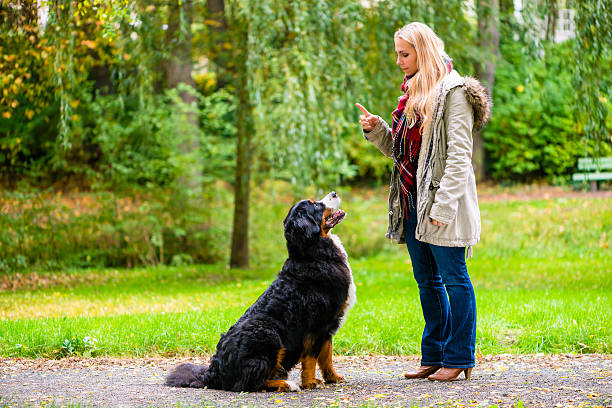
The sit command is one of the first and most important commands every dog should learn. It is simple but extremely useful in controlling excitement.To teach this command, hold a treat near your dog’s nose and slowly move it upward. As the dog follows the treat, it will naturally sit down. Once the dog sits, reward immediately with praise or a treat.This command should be practiced daily in short sessions to build consistency.
Stay Command
The stay command teaches patience and self-control. It is especially useful when you need your dog to remain in one place for safety or discipline.Start by asking your dog to sit. Then clearly say “stay” and take a small step backward. If your dog remains in position, reward it immediately.Over time, you can increase both the distance and duration. This command requires patience and repetition but is very effective.
Recall Training (Come Command)
Recall training is one of the most important safety skills a dog can learn. It ensures your dog returns to you immediately when called, even in distracting environments.Start training in a quiet and enclosed area. Call your dog using a happy and encouraging tone. When your dog comes, reward it instantly.
Important Tips for Recall Training
- Always use positive reinforcement
- Never punish your dog when it comes back
- Practice in different environments gradually
- Keep sessions fun and rewarding
This command can prevent dangerous situations and is essential for outdoor safety.
Leash Walking Skills
Leash training is crucial for daily walks. A dog that pulls or behaves unpredictably can make walks stressful and unsafe.To train leash behavior, start walking with your dog on a loose leash. If the dog pulls, stop immediately. Resume walking only when the leash becomes loose again.Consistency is very important here. Over time, your dog will learn that pulling does not lead to movement, while calm walking is rewarded.
Down Command
The down command helps calm an excited or hyperactive dog. It is also useful in situations where you want your dog to relax and stay still.Guide your dog into a lying position using a treat. Once your dog follows the movement and lies down, reward immediately.This command is especially helpful for controlling energy in busy environments.
Effective Dog Training Techniques
Successful dog training NC depends not only on commands but also on the right training approach.
Positive Reinforcement
Positive reinforcement is one of the most effective dog training methods, as it focuses on rewarding good behavior rather than punishing mistakes. Dogs learn faster and build stronger associations when their actions lead to positive outcomes.
This approach can include giving treats, offering verbal praise, or providing petting and affection whenever your dog responds correctly. These rewards help your dog understand which behaviors are desirable and worth repeating.By consistently rewarding correct behavior, you encourage your dog to develop good habits, improve obedience, and build confidence over time.
Consistency in Training
Consistency is extremely important in dog training. Using the same commands, tone, and signals helps avoid confusion.If different family members use different commands, the dog may struggle to understand expectations.
Short and Focused Sessions
Dogs learn better with short training sessions rather than long ones. Ideally, sessions should last 10–15 minutes.Short sessions keep dogs focused and prevent boredom or frustration.
Patience and Time
Training does not happen overnight. Every dog learns at a different pace, so patience is essential.Rushing the process can lead to confusion and slow progress. Regular practice brings long-term success.
Common Dog Training Mistakes to Avoid
Many dog owners unknowingly make mistakes that slow down training progress.
Some of the most common mistakes include:
- Using punishment instead of rewards
- Being inconsistent with commands
- Expecting instant results
- Long and tiring training sessions
- Lack of regular practice
Avoiding these mistakes ensures smoother and faster learning.
Benefits of Obedience Classes
Obedience classes provide structured learning environments where dogs and owners can learn together under professional guidance.Professional trainers help correct mistakes and teach proper techniques, making training more effective.Obedience classes also help in socializing dogs with other pets and people, which improves behavior in public spaces.
Advantages of Obedience Training
- Professional supervision and guidance
- Better socialization skills
- Faster learning process
- Structured and disciplined environment
Centers like Top Dog Training and Resort often provide well-designed programs for different dog breeds and behavior levels.
Local Advantages of Dog Training NC
Dog training NC offers several benefits due to local environment and lifestyle conditions.Trainers understand common challenges such as park distractions, leash behavior in public areas, and outdoor training requirements.Local training also allows more personalized attention, which improves learning outcomes for both dogs and owners.
Training Tips for Different Age Groups
Training your dog effectively depends on their age, energy level, and learning ability. Each stage of a dog’s life requires a slightly different approach to ensure the best results. By understanding these differences, you can create a positive training experience that supports both behavior and overall well-being.
Whether you have a young puppy full of energy, an adult dog with established habits, or a senior dog needing gentle guidance, adapting your training methods is essential for success.
1. Puppies
Puppies are quick learners but need gentle and consistent training. Start with basic commands and keep sessions short and playful. Positive reinforcement, such as treats and praise, works best to build confidence and encourage good behavior. Socialization is also important at this stage to help them become comfortable with people, environments, and other animals.
2. Adult Dogs
Adult dogs can learn new behaviors but may require more repetition and patience. Consistency is key when reinforcing commands and correcting unwanted habits. Structured training sessions combined with regular exercise help maintain focus and improve responsiveness.
3. Senior Dogs
Senior dogs may learn at a slower pace but benefit greatly from mental stimulation and light training exercises. Keep sessions short, gentle, and comfortable, considering any physical limitations. Training can help keep their minds active and improve their quality of life.
How Long Does Dog Training Take
The time required for training depends on the dog’s age, behavior, and consistency of practice.Basic obedience commands can take a few weeks, while advanced training may take several months.Regular practice and reinforcement are the most important factors for success.
Essential Tools for Dog Training
Using the right tools can make training more effective, structured, and easier to manage. The right combination of tools helps create clear communication between you and your dog, making it easier to teach commands and reinforce good behavior. It also ensures that training sessions remain consistent, engaging, and productive for dogs of all ages.
Treats play an important role in reward-based training, as they motivate dogs and encourage them to repeat positive actions. Clickers are useful for marking desired behavior at the exact moment it happens, helping dogs understand what they did correctly. Leashes provide control and safety, especially during outdoor training or when teaching commands like walking without pulling. Training mats are helpful for structured practice, giving dogs a designated space to settle, relax, or perform specific tasks.
Conclusion
Dog training NC is essential for building a strong, healthy, and positive relationship with your pet. It helps improve behavior, safety, and communication while making everyday life easier for both dogs and their owners. By focusing on basic commands like sit, stay, recall, leash walking, and down, you can build a well-trained and confident dog. The key to success lies in consistency, patience, and positive reinforcement.
For best results, many owners also choose professional help from training centers like Top Dog Training and Resort to ensure structured learning and faster improvement. You can contact Top Dog Training and Resort to learn more or get started with expert dog training support tailored to your pet’s needs.




Thank you for loving him!
While there, he did have a medical event which came as a surprise to everyone, I received a call explaining the situation and a suggested course of action. Being overseas there was little I could do. Again, Jenny and the Top Dog staff stepped up going beyond the call for Loki. Today, we picked him up, healthy and very happy and I cannot express enough gratitude for the amazing care, play and training these folks did for Loki. You guys are awesome!
Update: 3/15/24 Elodie is still going here and extremely excited when we pull in their driveway. I wish I could add more stars to their review! This past week was Elodie’s second birthday. They threw her a little birthday pawty and gave her a doggie cookie-cake! I updated the photos to show a screenshot of a video they provided to me. I’m so pleased with their care of my fur baby ❤️
FAQs (Frequently Asked Questions)
The best age to start training is during puppyhood, but dogs of any age can learn with proper methods.
Daily short sessions of 10–15 minutes work best for consistent progress.
Yes, basic training can be done at home, but professional guidance can improve results.
Basic training may take a few weeks, while advanced skills take longer depending on consistency.
Stay consistent, patient, and use positive reinforcement. If needed, seek professional training support.