
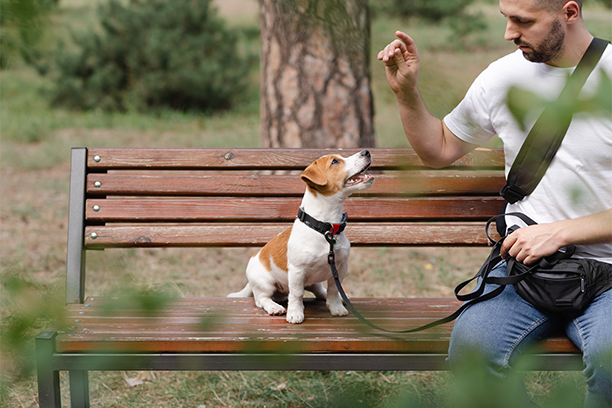
How to Get a Dog to Stop Biting is a common concern among dog owners who want to build a safe and positive relationship with their pets. Whether you have a playful puppy or an adult dog with unwanted biting habits, understanding the reason behind the behavior is the first step toward improvement. At Top Dog Training and Resort, we help dog owners address behavior challenges through structured training, patience, and positive reinforcement methods.
Dogs may bite for different reasons, including teething, excitement, fear, stress, or a lack of proper training. While biting can feel frustrating, it does not always mean a dog is aggressive. With the right approach, consistent practice, and clear guidance, dogs can learn healthier ways to interact. Instead of using punishment, rewarding good behavior helps your dog understand what actions are expected and builds trust between you and your furry companion.
Key Takeaways
- How to get a dog to stop biting starts with understanding why the behavior happens.
- Positive reinforcement teaches better habits without creating fear.
- Daily practice and clear rules help dogs learn faster.
- Early training often prevents biting from becoming a long-term habit.
- Professional guidance can make training easier for stubborn or ongoing biting problems.
Why Dogs Bite in the First Place
Every dog has a reason for biting, even if it is not obvious at first. Puppies often bite while exploring the world, while adult dogs may react because they feel nervous, protective, or overstimulated. Understanding the cause helps you choose the right training method instead of simply reacting to the behavior.
Common reasons dogs bite include:
- Puppy teething and natural play behavior
- Fear or anxiety in unfamiliar situations
- Protecting food, toys, or family members
- Pain or discomfort caused by an injury
- Lack of early socialization and training
Not every bite means a dog is aggressive. In many cases, the behavior develops because the dog has not yet learned better ways to communicate. Observing when and where biting happens can help you identify patterns and avoid situations that trigger unwanted behavior.
Recognize the Difference Between Play Biting and Aggression
Play biting is common, especially in young dogs. It usually happens during games, excitement, or interaction with people and other pets. Aggressive biting, however, often comes with warning signs such as growling, stiff body posture, raised fur, or intense staring.
When you understand these differences, you can respond more effectively. Play biting often improves with training and redirection, while aggressive behavior may require a structured behavior plan and professional support. Paying attention to your dog’s body language helps prevent situations from becoming more serious.
Why Punishment Often Makes Biting Worse
Many owners believe punishment will quickly solve biting problems. However, harsh corrections can increase fear and confusion, making some dogs even more likely to bite. Dogs learn best when they understand which behaviors earn rewards instead of focusing only on what they should not do.
Positive reinforcement builds trust and confidence. Rewarding calm behavior with treats, praise, or play encourages your dog to repeat those actions. Over time, this creates lasting habits without damaging the relationship between you and your pet.
How to Get a Dog to Stop Biting Using Positive Reinforcement
Positive reinforcement is one of the most effective ways to teach good behavior. Instead of focusing on mistakes, it rewards your dog for making the right choice. This method helps dogs learn faster because they begin to connect calm actions with something they enjoy. If you are wondering how to get a dog to stop biting, consistency and patience are the keys to long-term success.
Redirect Biting to the Right Toys
When your dog starts to bite your hands, clothing, or furniture, calmly redirect their attention to a chew toy or another safe item. This teaches your dog what is acceptable to bite instead of simply telling them “no.” Each successful redirection helps build better habits over time.
Keep a few chew toys nearby during play sessions so you can respond quickly. Puppies especially need safe outlets while teething, and adult dogs also benefit from having appropriate items to chew. Over time, this simple routine can help stop dog from biting by replacing unwanted behavior with a positive alternative.
Simple ways to redirect biting:
- Offer a chew toy as soon as biting begins.
- Stay calm and avoid yelling or rough play.
- Praise your dog when they choose the toy.
- Keep training sessions short and repeat them every day.
Reward Calm and Gentle Behavior
Dogs repeat behaviors that bring positive results. When your dog greets people politely, plays gently, or remains calm around distractions, reward them immediately with treats, praise, or a favorite toy. Quick rewards help your dog understand exactly which behavior earned the reward.
Timing matters just as much as the reward itself. Give praise within a few seconds of the desired behavior so your dog makes the connection. As good habits become more consistent, you can gradually replace treats with verbal praise or play while still encouraging calm behavior.
Create Daily Training Routines That Build Better Habits
Training works best when it becomes part of your everyday routine instead of an occasional activity. Even ten to fifteen minutes of focused practice each day can make a noticeable difference. Dogs thrive on repetition, and regular practice helps them understand what is expected in different situations.Along with behavior training, owners can also Learn Basic Dog Commands to improve communication with their pets and create a stronger foundation for obedience.
A predictable schedule also reduces boredom, which is another common reason dogs develop unwanted behaviors. Short training sessions, exercise, and mental stimulation all work together to keep your dog engaged and focused throughout the day.
Teach Clear Rules Everyone Can Follow
One of the biggest reasons dogs become confused is inconsistent training. If one family member allows playful biting while another discourages it, your dog receives mixed messages. Everyone in the household should use the same commands, rewards, and expectations.
For example, if your dog begins mouthing during play, every family member should respond in the same calm way by stopping the game and redirecting attention to a toy. Consistency helps your dog learn much faster than changing the rules from day to day.
Healthy daily habits include:
- Practice short obedience sessions every day.
- Reward gentle interactions with people.
- Give regular physical exercise and mental enrichment.
- End playtime if biting begins, then restart when your dog is calm.
Transitioning from basic training to real-life situations takes time, but staying consistent helps your dog gain confidence and better self-control.
How Do You Make Your Dog Stop Biting in Different Situations?
Many dog owners struggle because biting does not happen in only one situation. A dog may bite during play, when meeting new people, while protecting toys, or when feeling nervous. Learning how to respond based on the situation makes training more effective. Understanding your dog’s triggers allows you to create a safer environment while teaching better habits.
Managing Puppy Biting During Early Development
Puppies explore the world with their mouths, which makes biting a common part of early growth. While this behavior is normal, it is important to guide puppies toward better habits before the behavior becomes difficult to manage. Early training, socialization, and gentle correction can help puppies learn how to interact safely.
During puppyhood, avoid encouraging rough games that involve biting hands or clothing. Instead, introduce toys, reward gentle play, and provide enough rest because tired puppies often become more mouthy. Teaching boundaries early helps create a confident and well-behaved adult dog.
Handling Biting in Adult Dogs
Adult dogs may bite due to fear, stress, lack of training, or past experiences. Unlike puppies, adult dogs often have stronger habits that require more structured training. The first step is identifying what causes the behavior and avoiding situations that increase stress.
Owners should focus on building trust and teaching alternative behaviors. Calm training sessions, rewards for good choices, and controlled exposure to triggers can help improve reactions. If biting continues despite consistent training, professional support may be the safest and most effective option.
When Professional Dog Training Can Help With Biting Problems
Some biting issues need more than basic home training. If your dog shows fear, repeated aggression, or unpredictable reactions, working with a professional trainer can provide a clear plan. Experienced trainers understand canine behavior and can create training methods based on your dog’s needs.
For dog owners looking for dog training in chapel hill, professional trainers can provide structured guidance to address biting issues and improve overall obedience.
Signs You Should Consider Expert Training
Every dog is different, but certain behaviors may require additional help. Getting support early can prevent small issues from becoming bigger problems.
Professional training may be helpful when:
- Your dog bites frequently despite regular training.
- Biting happens with fear, guarding, or anxiety.
- Your dog reacts strongly around visitors or other animals.
- You feel unsafe managing the behavior alone.
At Top Dog Training and Resort, structured training programs focus on helping dogs develop better manners through positive methods. Professional trainers can guide owners through each step and make the learning process easier for both the dog and the family.
Supporting Long-Term Behavior Improvement
Stopping biting is not only about correcting a habit; it is about helping your dog build confidence, communication skills, and self-control. Consistent training, positive experiences, and clear guidance help maintain better behavior over time. Even after biting improves, regular obedience practice and mental activities keep your dog engaged. Continued training also strengthens the bond between you and your pet. For more information about responsible dog behavior and training methods, you can explore resources from the American Kennel Club.
Learn more about building healthy training habits from trusted canine experts and start creating positive changes with your dog today.
Final Thoughts on Teaching Better Dog Behavior
Learning how to get a dog to stop biting requires patience, consistency, and understanding why the behavior happens. Every dog learns at a different pace, so focusing on steady improvement is more effective than expecting instant results. Positive reinforcement, regular training, and clear communication can help dogs develop better habits while building trust with their owners.
If you are still wondering how do you make your dog stop biting, the right training approach can create lasting changes. With daily practice and proper guidance, dogs can learn safer ways to interact with people and their surroundings. For expert support and personalized training solutions, contact Top Dog Training and Resort today.


Thank you for loving him!
While there, he did have a medical event which came as a surprise to everyone, I received a call explaining the situation and a suggested course of action. Being overseas there was little I could do. Again, Jenny and the Top Dog staff stepped up going beyond the call for Loki. Today, we picked him up, healthy and very happy and I cannot express enough gratitude for the amazing care, play and training these folks did for Loki. You guys are awesome!
Update: 3/15/24 Elodie is still going here and extremely excited when we pull in their driveway. I wish I could add more stars to their review! This past week was Elodie’s second birthday. They threw her a little birthday pawty and gave her a doggie cookie-cake! I updated the photos to show a screenshot of a video they provided to me. I’m so pleased with their care of my fur baby ❤️
FAQs (Frequently Asked Questions)
Understand the reason behind biting, redirect your dog to toys, and reward calm behavior with positive reinforcement.
Dogs may bite during play due to excitement, teething, or learning boundaries. Redirecting them to toys helps build better habits.
Use consistent training, socialization, and rewards to teach your dog safer ways to interact with people.
Yes, regular training and positive reinforcement can help reduce biting and encourage better behavior.
No, punishment can increase fear and confusion. Reward-based training is a better way to improve behavior.