Category Archives: Uncategorized

Dog Anxiety: Understanding and Controlling It

Dogs are sensitive creatures and can often fall victim to anxiety, depression, and loneliness. However, with the right amount of love, attention, and care, you can give your dog the happy, content life that he deserves.

Dog anxiety can afflict all breeds and dogs of all ages. While occasional feelings of anxiety triggered by a certain event are understandable and nothing out of the ordinary, the persistence of the feeling can drastically affect your dog’s well-being. You, as your dog’s parent, need to take action so that your dog can live a happy and fulfilled life.

  • Before you can begin to help your dog get through this phase, you need to be able to understand it first. Here’s everything you need to know about dog anxiety and how to get it under control.

    Causes of Anxiety in Dogs

    Three main causes are known to be a source of anxiety in dogs

    Fear: fear-related anxiety can be triggered by loud noises like fireworks, car horns, and/or loud sounds by other animals. It can also be brought on when faced with strange, unfamiliar visual stimuli, or being introduced to new surroundings.

    Separation: About 14% of all dogs suffer through this. Separation anxiety makes the dog unable to stay alone without company, even if for a few hours. It’ll need a constant company for comfort. This is often the case with abandoned dogs.

    Age: Senior dogs often suffer through age-related anxiety because of Cognitive Dysfunction Syndrome (CDS). This brings on Alzheimer-like conditions, causing confusion and anxiety in dogs.

    Symptoms of Dog Anxiety

    Watch out for these symptoms as these can indicate that your dog is getting anxious. If you can spot the tell-tale signs, you can be there for him and help him calm down.

    • Aggression
    • Incessant barking
    • Soiling inside the house
    • Drooling
    • Panting
    • Restlessness
    • Destructive Behaviour

    Keeping Dog Anxiety Under Control

    If you suspect your dog might be suffering from anxiety, you should consult your vet. The vet can help you pinpoint the type and severity of the anxiety and draw up a treatment plan to help curb and control it. There are two possible treatment routes to take:

    Training: Dogs can be trained to become desensitized to the stimuli that are causing them anxiety. This is done by introducing the dog to the stimuli and then rewarding them for facing it. This is an effective way but takes time and patience. Counterconditioning is also an option where the dog is trained to change his response to the stimulus.

    Medication: If the anxiety is severe, your vet might prescribe some anxiety medication for your dog to keep it under control. New studies have shown that CBD oil is also very effective at soothing dog anxiety.

    There is nothing more important to a dog parent than their dog’s happiness and well-being, so keep on the lookout for signs of dog anxiety. If you think your dog is exhibiting symptoms of dog anxiety, talk to your vet.

24 April Top Dog Ads2

How to Tell If Your Pet Has Allergies

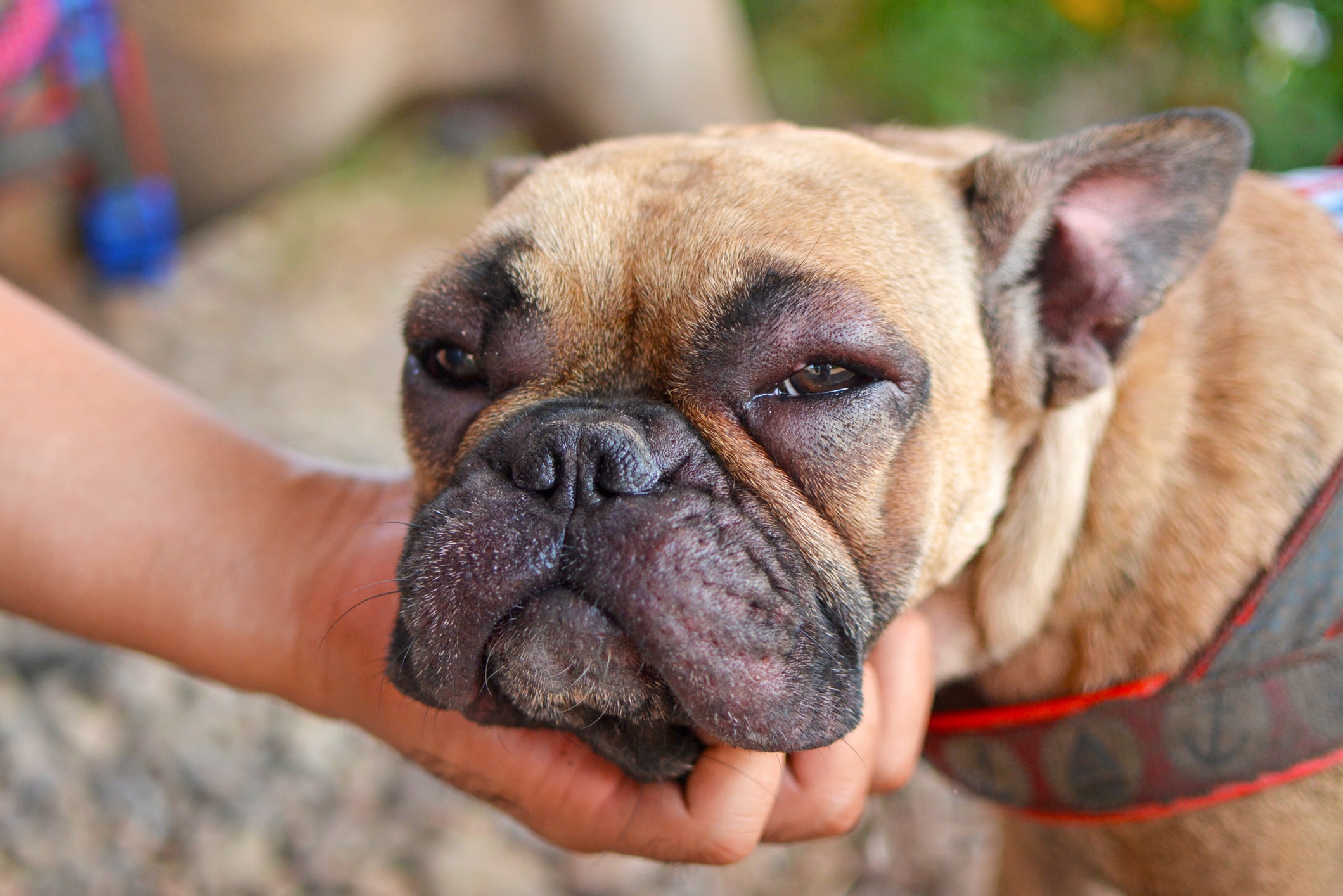
Allergies can be quite a nuisance for humans. The runny noses, itchy eyes, and discomfort get too much to deal with sometimes. Just like humans, animals get allergies, too, and they need medical attention as well. The question here is, how can you tell if your pet has an allergy?

  • Biting and Scratching

The most common sign that indicates the pet is suffering from an allergy is that it scratches and bites itself like crazy to relieve the itchiness that it feels. Along with this, their skin also gets flushed and inflamed. These allergies could be due to pollen grains or any plants. Bathing your pet using mild shampoo can provide temporary relief. However, a visit to the vet is mandatory.

  • Excess Shedding

Pets can get dandruff as a consequence of certain allergies that cause excessive hair loss and shedding. Dandruff dries out the animal’s skin, as a result of which it feels itchy. When your pet scratches its itchy, flaky skin, not only does it lose its hair, but it also sheds dry skin.

  • Inflamed Skin

Just like runny noses and itchy eyes are common symptoms of allergies in humans, skin infections are common in animals. The skin of animals becomes inflamed and even infected as a result of excessive scratching. If you observe reddened, inflamed, or infected skin, you need to take your pet to the vet so that it can be given the right medicines.

  • Paw Licking

Paw licking is a common habit in cats and dogs, but excessive paw licking can be an indication of pet allergies.

  • Licking of the Anal Region

This behavior is more common in dogs, but it indicates that your pet is having an allergic reaction to something. If the dog is scooting towards its rear and is licking its anal region, it is probably because it is feeling itchy. When you notice this behavior, you should take it to the vet immediately.

  • Respiratory Issues

Allergy-related respiratory issues are common in cats. Cats often suffer from allergic bronchitis due to pollen grains or poor air quality.

Keeping a check for the signs and symptoms listed above will help you figure out whether your pet is suffering from any pet allergies. You will then be able to take them to the vet and get them treated on time.

24 April Top Dog Ads2

Heartworm Awareness Month – What Every Pet Owner Needs to Know About Heartworm

Heartworm disease is a very serious and potentially fatal disease in animals, especially dogs, cats, and ferrets. It is caused by Dirofilaria immitis, a parasitic worm. This disease can cause damage to vital organs like the heart and lungs, which, in many cases, leads to death. To make pet owners aware of this serious disease, Heartworm Awareness Month is celebrated in April every year. It’s a month where pet owners are taught all they need to know about this deadly disease.

Dogs are definitive hosts, which means that the heartworm thrives best in dogs. Naturally, you cannot protect your dog from getting the disease unless you’re well-informed on prevention methods. To make things easier for you, we have listed down a few things about heartworm that every pet owner should know.

  • How Do Animals Get Heartworm?

Animals get heartworm through mosquito bites. Small larvae of heartworm are present in the blood of mosquitoes, which are transferred to animals when the mosquito bites them. You cannot tell if the mosquito is infected, and there is no other way for this disease to make its way to your pet.

  • Which Hosts Do Heartworms Prefer?

Dogs are the natural hosts for this parasitic worm. They mature, live, and reproduce in the dog’s body. Cats are atypical hosts, and cats that get heartworm do not survive for long enough for the heartworms to mature. Cats with adult heartworms are found to host only a few (2 to 3) adult worms.

  • What Damage Do Heartworms Cause?

Heartworms are capable of causing lasting damage to the vital organs. They affect the lungs, heart, and arteries. The damage is so severe that it lasts for a lifetime, even if the heartworms are gotten rid of.

  • How Is Heartworm Disease Diagnosed?

Heartworms in the blood can be detected easily by a simple blood test. However, it may take up to 6 to 7 months for them to appear in the blood. As such, a good preventive measure is to get your pet’s blood tested every 6 months.

  • Symptoms of Heartworm Disease

The symptoms of heartworm disease can help you identify it before the infection gets worse. The symptoms include a persistent cough, fatigue after only moderate physical activity, reluctance to exercise, weight loss, and reduced appetite. Heart failure and a swollen belly are normal when the disease gets worse.

  • How Can Heartworm Disease Be Treated?

Treatment of this disease is very expensive, and it is different for all animals. Dogs are given adulticide to kill adult heartworms. The treatment may also include the use of steroids and histamines. In some cases, the dogs are operated on to remove adult heartworms from the chambers of their hearts.

To keep your dog safe from this deadly disease, the best thing to do is to get a blood test done every 6 months so that the presence of any heartworms can be detected during the early stages.

24 April Top Dog Ads2

Prep the Pup: How to Prepare Your Pet for a Boarding Kennel

Leaving your furry friend could be hard on both of you. Many dog owners feel terrible about having to leave their dogs while they have to go on an important work trip or a vacation. Thankfully, dog boarding services have made this a bit easier. However, it doesn’t take away from the fact that your pup will feel homesick and miss you.

Although good dog boarding facilities make sure your furry friends are provided with a happy, safe, and comfortable stay, your dog might feel scared of the new sights and surroundings. To make it easier for you and your dog, here are 3 ways that can help you prepare your dogs well.

1.   Plan for a Boarding Trial

Don’t surprise your dog with a boarding stay especially if they exhibit separation anxiety. It’s a good idea to plan a boarding trial before your leave. Have your dog spend at least 24 hours in the new environment so that he can get used to the people, routine, and facilities. If you have the time, this will also help you compare different dog boarding schools and resorts.

1.   Make a Visit to the Vet

Most boarding kennels require your dog to be de-flead and de-wormed before they can take them in. Also, their vaccinations have to be up-to-date. Since vaccinations can take a couple of days to become active, you should plan a visit to the vet beforehand.

2.   Sign for a Pre-Boarding Socialization Training

One of the best parts of sending your dog to a boarding facility is the opportunity to socialize with other animals. However, some pets can show negative behaviors if they’re put in such situations all of a sudden. Thus, a refresher course in socialization training should be considered prior to boarding.

Look for the right boarding kennels, as some of them also offer single-room boarding. This means your pups can choose to a quieter surrounding until they get comfortable with other dogs.

Dog boarding facilities have made it so much easy to leave your dogs without feeling guilty or stressed. If you’re in search of a reliable dog boarding or daycare facility in NC, choose Top Dog Pet Resort. With our certified team of professionals and state-of-the-art facility, your four-legged family members will have the time of their lives!

24 April Top Dog Ads2

American Heart Month – Everything you Need to Know About Your Pet’s Heart Health

February is not just the month of love. It is also American heart month. Each year, during the second-month, heart health is made a part of the public discourse. Heart defects are one of the leading causes of natural death in humans worldwide. But poor heart health also plagues animals all around the world.

Pets can develop complicated heart conditions such as cardiomyopathy or aortic stenosis, which affect the structure of their hearts. High blood pressure is also a common ailment in cats and dogs. The sooner you find out about any underlying heart problems in your pets, the better you can provide them with the needed care.

When you get a dog or any other pet, everything seems fun and full of excitement. But bringing a pet into your life is not so easy. You need to constantly look after them and make sure that they are in their best form. Unlike humans, your beloved pet cannot tell you if they’re experiencing chest pains or other heart troubles.

American heart month is dedicated to raising awareness regarding the horrors of inferior heart health. It urges people to take preventative measures for better heart health. From an active lifestyle to regular heart screenings, everything comes under the preventative measures for more effective heart care.

There are some critical changes in a pet’s lifestyle that a pet owner can make to make them healthier and happier. According to veterinarians, here is what you can do for your pets in honor of American Heart Month.

Regular physical activity

Make sure you take your fluffy friend out for a run or walk daily. And at home, play with them as much as you can.

Healthy food

For supreme heart health, you should try and feed your pet low-calorie, protein-rich food. This is especially important if you feel that your pet isn’t active enough, as you need to counteract their lack of exercise with healthier food choices.

Regular visits to the vet

Checkups are a must when it comes to taking care of a pet. You need to take your fluffy buddy to the doc every month and get them vaccinated regularly.

Thorough health care is not only vital for humans, but it is also essential for pets too. When you adopt an animal friend, you must learn to give them the best possible medical care to thrive. Spend this American heart month learning more about how to care for your own heart as well as your little fur baby’s heart.

24 April Top Dog Ads2

The Right Dog For The Right Person

Just like people, not all dogs are alike. The various breeds have different personalities, needs, energy levels, and desires. Alongside breed, age, and past experiences also mold a dog’s personality. When you think about bringing a puppy home, you are looking for a lifetime of companionship, so wouldn’t the journey be much more fulfilling and satisfying if you choose a dog with compatibility in mind?

There is no ‘best dog’ out there; there is only the right dog for you. Some things to consider before choosing to bring a dog home are:

Objective

Perhaps, one of the first questions you need to ask yourself is, “Why am I getting a dog?” For most people, the reason is either one of the two: company or security. If security is your major concern, then a larger, guard dog might be best for you; otherwise, a smaller dog or a non-sporting dog might be ideal.

Breed

Think long and hard about what kind of dog would be best for you, and choose a breed that would adapt well and keep up with your lifestyle. If you are a young, fit person, who often likes to go hiking and running, sporting dogs or hounds can be great companions for you. For an elderly couple, a low-energy breed like a bulldog or a pug might be the perfect fit. The breed defines the dog’s activity levels and personalities, so get a breed that will complement yours.

Age

The age of the dog must be taken into account when you are looking to adopt. Some younger puppies and some large adult dogs are very energetic and need lots of exercises. So if your lifestyle does not allow you to take them out too often, opt for an older dog. If you have little kids in the house, a smaller, naughtier golden retriever or a Labrador will fare well too, as he will always have someone to play with.

There are several other factors that you need to take into account before you make the big decision of bringing a dog home, so do your research before welcoming the bundle of joy into your life.

24 April Top Dog Ads2

Adopt a Senior Pet Month – How Your Pet Ages

Would you believe if we told you that there’s a month dedicated to making the lives of older pets better by helping them find loving homes? Every year, November is celebrated as National Adopt a Senior Pet Month. During this period, people who are looking for pets are encouraged to consider adopting senior pets.

This is a great initiative, but how would you know when a pet is old enough to be called a senior pet? If you’re wondering how dogs and cats age and when exactly they become old, you’ve come to the right place!

dogs age

How Dogs Age

You may have heard numerous times that one dog year is equal to seven human years. This ‘seven-year rule’ implies that dogs usually live 1/7th as long as humans. However, this is not a hard-and-fast rule. It varies with the breed of the dog. Let’s have a look at how a dog ages.

The age of the dog is more closely associated with the weight of the dog rather than its lifespan. A dog that is 5-year old and weighs 20 pounds is close to a 33-year-old human being. Similarly, a dog that weighs more than 90 pounds is said to be around 41 years old in human years. Smaller dogs age slowly as compared to their larger counterparts.

Whether a dog is in its puppy stage, the adult stage or senior stage depends on how big it is and how much it weighs. A dog that is fairly large in size may be classified under the label of a senior pet at the age of 5 or 6 years, whereas a smaller breed of dog may fall under the senior pet bracket at the age of 10 to 12 years.

Age Is Just a Number

You can’t say for sure how pets age. Every pet ages in a different manner and follows a different criterion. Age is just a number when it comes to your pets. Senior pets that are well-cared for can have longer life spans. Although they might start looking old, with white hair and a slower walking pace, your pet can live longer if you take adequate care of it.

24 April Top Dog Ads2

National Pet Diabetes Month – What Are the Symptoms of Diabetes in Pets?

Learning about the symptoms of diabetes in pets is a proactive approach to helping your furry friend deal with the condition in time.

Diabetes is one of the most common diseases in cats and dogs. Although it is quite manageable, it can be very costly to treat. However, if left untreated, diabetes can lead to various other health issues and, in extreme cases, possibly even death.

November is the National Pet Diabetes Month for raising awareness amongst pet owners.  Now is a good time to learn more about this health issue.

Knowing the symptoms of diabetes in pets will help you detect the problem in its early stages and take the proper measures in due time.

Increased urination – If your dog is urinating more frequently or in considerably large amounts, there’s a high chance that it is due to diabetes. This happens because, in diabetic patients, the body tries to get rid of the excessive blood sugar by flushing it out through urine.

Excessive thirst – Dogs with diabetes usually experience excessive thirst due to the change in insulin levels. Keep track of how frequently your pet empties their water bowl and compare it to their average body requirements to see if it’s something to worry about.

Weight loss – If your pet is losing weight despite being given a healthy and nutritious diet, it is likely a result of diabetes. This stems from the fact that disturbed insulin production affects the body’s ability to absorb nutrients from the food.

Change in eating habits – Generally, pets with diabetes feel hungrier and demand more food as their body is unable to produce all the glucose they need. However, it is not unusual for some pets to show a lack of interest in eating. Loss of appetite normally occurs in the later stages of the disease.

Lethargy – Unexplained tiredness is one of the main symptoms of diabetes. So, if your canine companion has lately grown too fond of the couch and is not as eager to play or go out with you on a walk, it’s a big red flag.

If you spot any of these signs of diabetes in your pet, take them to a vet as soon as you can.

24 April Top Dog Ads2

How To Pet-Proof Your House

While bringing a new pet into your home can be very exciting, pets can also be pretty inquisitive and mischievous. As such, keeping in mind their safety, it is crucial to pet-proof your home well in time for the arrival of your new pet.

These tips can teach you how to pet-proof your house properly before welcoming any new pet.

1.   Make sure that your possessions are protected

To start off, you will have to make sure that all of your precious possessions are completely safe and secure and in places where your pup’s paws can’t reach them. For example, it is a good idea to keep your valuables in high places, such as on the top of a cabinet. Similarly, things such as detergents, medicines, and any other chemical materials need to be placed on high shelves, out of the reach of your pet. Similarly, trash cans should be kept inside cabinets where your pup can’t reach.

You can even use childproof locks and latches on your cabinets in case your pet is smart enough to open them or if you wish to be extra careful.

2.   Keep food items away from your pet

Most pets tend to be inquisitive and naughty, especially with a new owner. You will have to make sure that you keep all food items, particularly those that come in wrappers, away from your pet. The wrappers can be extra harmful to your pet, so you will have to be careful.

3.   Remove all wires from sight

Before welcoming your new pet in the house, you will have to make sure that any wires that typically lie in your living room or bedroom are out of sight of your pet. A new dog or cat will want to chew on things, and if they decide to chew on any of these wires, it could result in them getting electrocuted.

4.   Make sure your toilet lid is shut at all times

Pets often love exploring their new homes, and they’ll want to drink out of the toilet when they find it. As such, make sure that all toilet seats have their lids shut, lest your pet accidentally ingests any harmful cleaning chemicals.

Make sure to follow these helpful tips on how to pet-proof your house before welcoming your new pet into your home.

24 April Top Dog Ads2

How to Tell If Your Pet Is Overweight

pet weight

Overweight dogs are a problem for even the most careful and concerned pet parents. Similar to an overweight human, an overweight pet poses a number of different problems for a pet owner.

Once you identify that your pet indeed has weight problems, it is time to get them started on a weight loss program.

pet care

Here’s how to tell if your pet is overweight.

1.    Check His Weight on a Weighing Scale

The easiest way to check whether your pup is overweight is to simply make your dog stand on the weighing scale in the bathroom and check his weight. If your scale ends up showing a weight that is far too high, your dog might be overweight, but there are a few factors to keep in mind first.

Remember that before judging whether or not your pet is overweight, you will have to take into account your dog’s breed, age, and height, among other things. The best way to tell whether your dog is unhealthy or not is to take your dog to the vet and have your pet checked out.

2.    The ‘Rib Test’

Yet another indicator of whether or not your dog is overweight is the ‘rib test.’ All you have to do is run your hands around the abdomen and the flanks of your dog. Ideally, you should be able to feel its ribs. If you cannot do so anymore, this indicates that your pet is overweight.

3.    A Lack of Interest in Playing

If your dog is overweight, it’s very likely that he won’t want to play with you as much as he used to. This is especially true when it comes to sports and all physical activities. However, being overweight is not the only reason why your dog won’t want to play around with you. He may also be sick or hurt, so the best thing to do is to take him to a vet and have him diagnosed.

If you keep these simple methods in mind, you’ll know how to tell if your pet is overweight.

24 April Top Dog Ads2