Category Archives: Uncategorized

How To Pet-Proof Your House

While bringing a new pet into your home can be very exciting, pets can also be pretty inquisitive and mischievous. As such, keeping in mind their safety, it is crucial to pet-proof your home well in time for the arrival of your new pet.

These tips can teach you how to pet-proof your house properly before welcoming any new pet.

1.   Make sure that your possessions are protected

To start off, you will have to make sure that all of your precious possessions are completely safe and secure and in places where your pup’s paws can’t reach them. For example, it is a good idea to keep your valuables in high places, such as on the top of a cabinet. Similarly, things such as detergents, medicines, and any other chemical materials need to be placed on high shelves, out of the reach of your pet. Similarly, trash cans should be kept inside cabinets where your pup can’t reach.

You can even use childproof locks and latches on your cabinets in case your pet is smart enough to open them or if you wish to be extra careful.

2.   Keep food items away from your pet

Most pets tend to be inquisitive and naughty, especially with a new owner. You will have to make sure that you keep all food items, particularly those that come in wrappers, away from your pet. The wrappers can be extra harmful to your pet, so you will have to be careful.

3.   Remove all wires from sight

Before welcoming your new pet in the house, you will have to make sure that any wires that typically lie in your living room or bedroom are out of sight of your pet. A new dog or cat will want to chew on things, and if they decide to chew on any of these wires, it could result in them getting electrocuted.

4.   Make sure your toilet lid is shut at all times

Pets often love exploring their new homes, and they’ll want to drink out of the toilet when they find it. As such, make sure that all toilet seats have their lids shut, lest your pet accidentally ingests any harmful cleaning chemicals.

Make sure to follow these helpful tips on how to pet-proof your house before welcoming your new pet into your home.

24 April Top Dog Ads2

How to Tell If Your Pet Is Overweight

pet weight

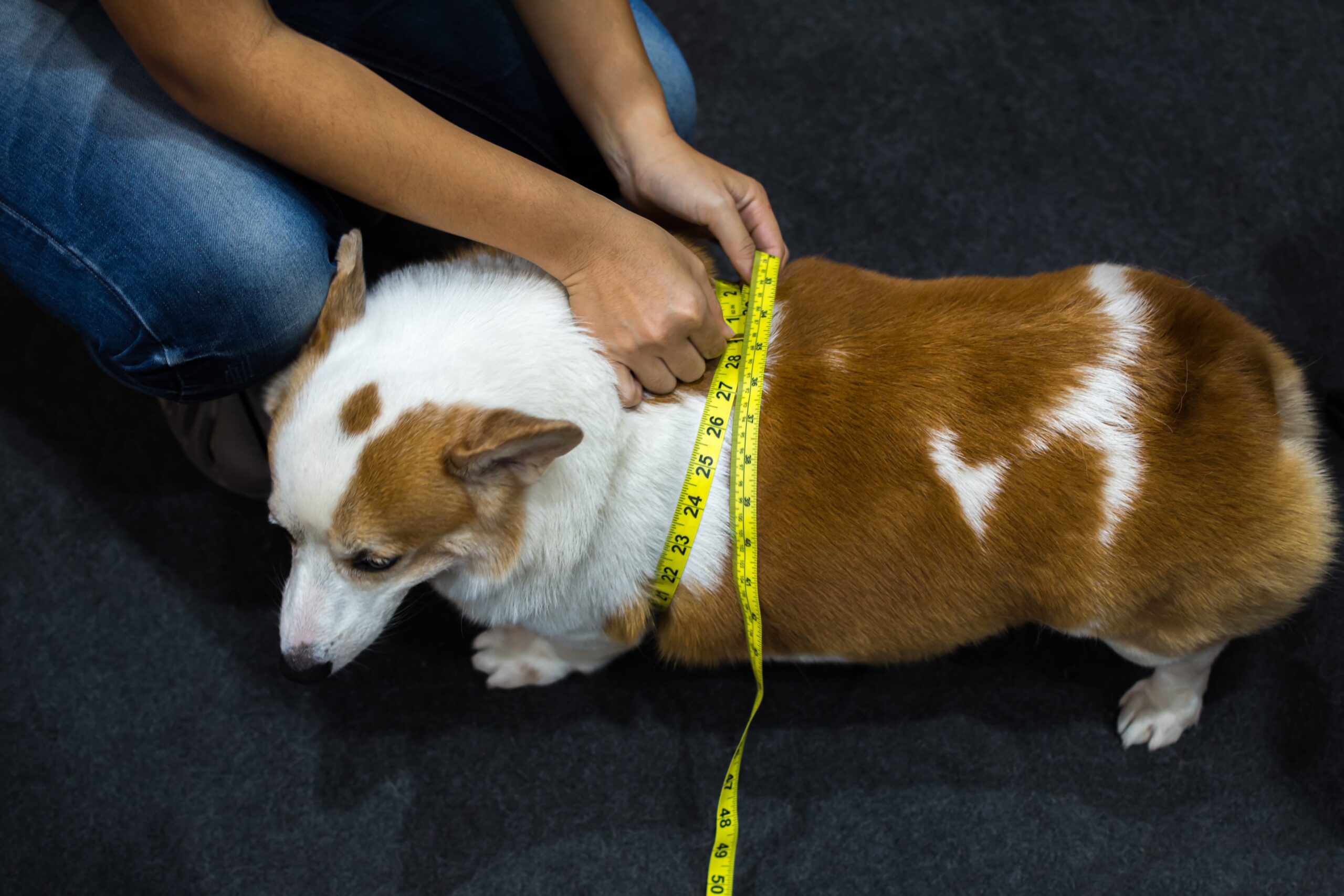
Overweight dogs are a problem for even the most careful and concerned pet parents. Similar to an overweight human, an overweight pet poses a number of different problems for a pet owner.

Once you identify that your pet indeed has weight problems, it is time to get them started on a weight loss program.

pet care

Here’s how to tell if your pet is overweight.

1.    Check His Weight on a Weighing Scale

The easiest way to check whether your pup is overweight is to simply make your dog stand on the weighing scale in the bathroom and check his weight. If your scale ends up showing a weight that is far too high, your dog might be overweight, but there are a few factors to keep in mind first.

Remember that before judging whether or not your pet is overweight, you will have to take into account your dog’s breed, age, and height, among other things. The best way to tell whether your dog is unhealthy or not is to take your dog to the vet and have your pet checked out.

2.    The ‘Rib Test’

Yet another indicator of whether or not your dog is overweight is the ‘rib test.’ All you have to do is run your hands around the abdomen and the flanks of your dog. Ideally, you should be able to feel its ribs. If you cannot do so anymore, this indicates that your pet is overweight.

3.    A Lack of Interest in Playing

If your dog is overweight, it’s very likely that he won’t want to play with you as much as he used to. This is especially true when it comes to sports and all physical activities. However, being overweight is not the only reason why your dog won’t want to play around with you. He may also be sick or hurt, so the best thing to do is to take him to a vet and have him diagnosed.

If you keep these simple methods in mind, you’ll know how to tell if your pet is overweight.

24 April Top Dog Ads2

How to Create an Emergency Plan for Your Pet

Pets are an essential part of every household. Guaranteeing their safety during disastrous situations is the owner’s responsibility. To help you do that, we are listing 4 steps to follow when creating an emergency plan for pets.

An Emergency Survival Kit

In a disastrous situation like hurricanes, floods, or tornadoes, an emergency kit should be your priority. It should contain:

  • At least three days’ worth of food and water.
  • Compiled medical records and essential medicines.
  • Basic first aid essentials like bandages, disinfectants, gloves, scissors, ointments, saline solution, flea, tick prevention medications, etc.
  • We suggest you opt for microchipping your pet to keep track of their whereabouts. Otherwise, you can always put an ID label or tracking collar.
  • Keep items for sanitation, including a litter box, newspapers, trash bags, paper towels, etc.
  • A picture of your pet and you in case you two get separated.
  • Some of your pet’s favorite toys to help reduce stress during disasters.

Draft a Getaway Plan

You must do your research before you abandon your house during emergencies. Conduct your research and identify safe zones to head for if need be. Identify friends or family members who may be willing to take care of your pet or look for boarding facilities or hotels that can help you out.

Buddy Rescue System

Disasters often come unannounced and unexpectedly. Make sure you talk to neighbors or friends who can evacuate your pet in case you are unavailable.

Contact your Vet

Discuss your pet’s conditions with your vet before drafting the plan. Ask them or any specific medications that you need to carry during emergencies. They will also provide you with contact details of emergency treatment centers for your pets. Make sure you keep that list safe and readily available during an emergency.

24 April Top Dog Ads2

Why It’s Important to Vaccinate Your Pet

The purpose of vaccinating your pets is the same as vaccinating your children – the protection from dangerous diseases. Diseases like rabies can affect the health of your pet animals and can even result in their early demise.

If it is your first time owning a pet, read this blog post to know why it is important to vaccinate your pet.

  • Vaccination of Pets Is a Legal Requirement

The United States has made it mandatory for all pet owners to get their pets vaccinated done. House-kept pets have to be vaccinated against rabies. Moreover, they also need to get certain vaccines if they get out or if any other animal enters your house. Not getting your pets vaccinated might get you in trouble with the authorities.

  • Protection of Pet’s Health

Vaccinating your pets means that they’ll be able to stay healthier for longer. Not only is it important for your pet’s wellbeing but the wellbeing of other animals and people as well. If your unvaccinated pet bites someone else’s pet, it can become a major liability.

  • Protection of Your Family’s Health Certain diseases like rabies and leptospirosis in animals can be transmitted to humans. Unvaccinated pets are a serious risk to the elderly and children in your home. To ensure that your family members aren’t at risk due to your pet, you need to keep their vaccinations up to date.
  • A Requirement of Boarding Facilities

Boarding facilities ask for an updated vaccine record of your pet.  They will not entertain your pet if you fail to provide an up-to-date vaccination record.

  • Helps Save Money

The amount of money that you pay when you vaccinate your pet is nothing compared to treatment costs that you’ll have to bear in case your pet gets ill. Vaccinating your pets according to a proper vaccination schedule will help you save money in the long run.

It’s important to vaccinate your pet to keep it healthy and your family and the people around safe. Not getting your pets vaccinated is really not an option, at least not if you’re living in the United States!

24 April Top Dog Ads2

Why is Microchipping Important?

The love we have for our pets is perhaps best described as something similar to that of a parent and child. Losing your beloved pet can be traumatic, and nobody wants to take that risk. There are multiple methods that pet owners use to keep track of their pets, and one of them is via microchips.

Here are a few reasons that can best summarize the importance of microchipping your pets.

It establishes a Link with your Pet

Microchips are easily embeddable computer chips that contain a unique identification number granted to each pet. These chips are minute and are easily embedded in your pet’s skin via a syringe and needle.

The identification granted to each pet is registered against the contact details of the owner. If your pet gets lost and ends up in a shelter, the shelter management can locate the chip and contact the owners right away.

Safer than ID Tags and Tracking Collars

While microchips mainly provide the same function as ID tags or tracking collars do, they are safer to use. Id tags and collars are easily removable. In case your pet gets stolen, the thief only has to rip off the label, and they are then free to sell the pet as they please.

However, a microchip is embedded into the pet’s skin and is not easily detectable or removable. It increases your chances of locating your pet if the thief tries to sell it.

Could Save Their Life

More than half of the lost pets that end up in a shelter house are unable to survive the harsh conditions. A pet with a microchip can be safely returned to the owners even if it does end up in a shelter house.

Even if your little pal does slip out from the safety of the house, the chip ensures they will have a high chance of making their way back home.

24 April Top Dog Ads2

What Does It Take to Be a Certified Dog Trainer?

What Does It Take to Be a Certified Dog Trainer?

Most pet owners decide to self-train their dogs. However, there is more to training than teaching obedience, and the seven basic, sit, stay, no, heel, come, down, and off commands. If you’ve ever wondered how to be a certified trainer, then you’ve come to the right place.

There are various training techniques designed to prepare your dogs for different purposes. There are three steps to becoming a certified dog trainer.

1. Education

The essence of dog training lies in the understanding of dog psychology and behavioral patterns. Various schools offer courses on the science of animal behavior. Look for schools that have been in the field for long and whose courses are scientifically sound. You are essentially signing up to be a dog’s psychiatrist.  We train 9 Basic Commands:  Sit, Down, Stay with distractions,  Come,  Heel with an automatic sit, Leave it, Drop it, Place Off,  and a verbal reprimand “Uhh Ahh”.

2. Experience

The next step is to get as much experience as possible. Many pet shops hire trainers, and so do official pet training institutes. By gaining professional work experience, you further enhance your knowledge and learn how to tackle even the most difficult of dogs. The more experience you earn, the more expertise you develop, which increases your chances of getting a certification.

3. Certification

You don’t necessarily have to be certified to be counted as a trainer, but it does help boost your resume, especially when backed by experience.  We are balance trainers at Top Dog. We correct behaviors we do not want and we reward behaviors we do want. Each of our trainers is certified through the NC Community College System at Tarheel Canine School for Dog Trainers. We acquired hands-on experience with all types of temperaments and behavior issues, including aggressive dogs. We participated in lectures on the scientific basis of our training methods. We gained experience in training police dogs, SAR dogs, professional pet obedience, and behavior modification. We had to complete a detailed exam combined with definitions, essays, and evaluations of hands-on experience before we graduated and from the program and earned our certifications.  We believe in bonding with the dog by creating a job they enjoy. Whether it’s a game of sit and stay before he plays fetch or putting his nose to work with SAR or searching games. Other dogs love to go for a walk and then snuggle on the couch while watching Netflix. We do NOT judge a book by its cover! Instead, we read the dog’s story so we understand what the dog needs. Every dog learns differently, so we teach in a way the dog can learn.

24 April Top Dog Ads2

National Wildlife Week – How to Keep Your Pet Safe around Wildlife

National Wildlife Week – How to Keep Your Pet Safe around Wildlife

Wildlife forms a vital part of our ecosystem. The diversity and beauty of wildlife are celebrated all around the world every year during National Wildlife Week. This year, it is all set to be celebrated from 9th March to 13th March.

As much as wildlife is celebrated, pet owners dread the fact that this week is celebrated during the warmer months. As the temperature gets warm, people prefer spending more time outdoors. For someone who owns pets, it is obvious that they’ll be spending a lot of time outdoors with their pets. However, taking your pets outdoors puts them at risk of encountering wild animals.

If you’re worried about your pet coming into contact with wild animals, you can take certain measures to keep your pets safe.

• Keep Your Pets On A Leash

As the weather gets warm, wild animals start coming out of hibernation and go about in search of food. They’re hungry and wild and will attack your pet the moment they get the chance. Therefore, you must provide adequate cover to your pets if you keep them outdoors. Building them a barn or a shelter that keeps them out of sight of any wild animals or birds that might be wandering nearby in search of their next meal will keep them safe.

• Make Some Noise

Making some sort of noise before letting your pets outdoors is a great way to alert wild animals that you’re around. You can put bells around your pet’s neck when you go on a hiking trip too. Wild animals will be alerted of your presence, and they’ll run away. This is a great way to keep your pets safe around wildlife.

• Do Not Leave Garbage Out In The Open

Stray dogs and cats and other animals are attracted to a welcoming garbage bin. This puts your pet at a greater risk of encountering wild animals. To keep pets safe from any such encounters with wild animals, always close the garbage bins properly.

Keeping pets safe around wildlife is a lingering danger, but taking the right precautionary measures can help you keep pets safe from wild animals.

24 April Top Dog Ads2

Poison Prevention Week – Things You May Not Have Known Were Poisonous to Your Pet

It’s Poison Prevention Week. This week is a great time to make pet owners aware of all the things that can be poisonous to your pets. Here are 3 things you may not have known were poisonous to your pet but need to be kept away from your pets at all costs.

1. Human Food


Human food can be far more dangerous for your pets than you might have thought. In fact, some of our favorite foods like grapes, chocolate, avocado, nuts, and alcohol, can be poisonous for our pets.

Even healthy foods such as garlic and onions can be poisonous for certain animals because their body’s chemical composition and their metabolism are drastically different from ours. If your pup, for example, is having breathing problems, stomach problems, or weakness, it may be a sign that he has eaten human food, especially food items like chocolate.

2. Household Products

This isn’t too much of a surprise. It only makes sense to keep household products such as bleach, insecticides, paints, etc. out of reach of your pets. Make sure that all of these chemical substances are either locked up in cabinets or kept in high places where your pets cannot reach them.

If your pet accidentally ingests any of these poisonous substances, make sure to take him to a vet immediately.

3. House Plants


House plants may look pretty and may brighten the outlook of your home, but if your pet begins to feast on those leaves, the results can be disastrous.

The most common house plants that can be poisonous for your pets include lilies, azaleas, daffodils, tulips, and hyacinths.

In minor cases, your pet may just have stomach problems, but in more severe cases of poisoning, he may have breathing problems and can even die.

Always do your homework before bringing in new plants into your home.
These 3things you may not have known were poisonous to your pet need to be kept away from your pets at all times.

24 April Top Dog Ads2

How to Protect Your Dog in Snow and Ice

Snow doesn’t just excite humans; dogs love to play in the snow too. You can’t help but feel amused with the unbridled joy you will see in your dog when you let them out to play in the fresh snow. However, snow and ice can be really dangerous for your dog, at least in terms of their health and wellbeing.

To make sure that your dog is protected from the snow and ice, there are a number of steps that you can take. To help you take better care of your dog, we have listed some tips below.

1.   Inspect Their Paws Regularly

The paws of your dog are most susceptible to getting affected by snow, ice, and extremely cold temperatures. To protect your dog from snow and ice and ensure your dog’s wellbeing, you must inspect their paws regularly for cracks, cuts, and signs of abrasion so that you can attend to them at the right time.

2.   Trim Their Paw Hair

Patches of hair between the toes and pads are common in dogs. While they might look endearing to you, they pose a serious risk for your dog. Snow can get stuck in these hairs and form ice clogs. In such a situation, your dog gets put at a serious risk of frostbite. To make sure your dog doesn’t get frostbite, trim back the paw hair in winter months.

3.   Set Up An Entryway

To protect your dog from snow and ice, you should consider setting up an entryway for your dog. Keep towels and mats at the entryway so that you can dry your dog as soon as it returns after playing in the snow.

4.   Clear The Porch

Just like humans, dogs can slip on snow and ice. If your dog slips and falls on the ice, it could end up rupturing a ligament or spraining its limbs. Therefore, to keep your dog safe and sound during the snowy season, you should keep your porch clear of any snow or ice. You should use ice melters that are safe for dogs, or you could apply sand on your porch and steps so that the surface doesn’t stay slippery.

5.   Consider Dog Shoes, Booties, and Socks

If you find it hard to keep your dog indoors most of the time and you’re concerned it might end up getting hurt or sick, you should consider getting it dog shoes, dog booties, or dog socks. They are specially made for dogs to keep their paws protected from the cold.

6.   Use Paw Balm

Before you let your dog out in the snow, apply paw balm. This balm will keep your dog’s paws moisturized and will also protect it against damage that the snow can cause. Also, moisturized paws are less susceptible to cracks and cuts

Dogs love it when you let them go outdoors and play to their heart’s content. With the right protective measures, your dog will stay protected from snow and ice. After all, a happy dog means a happy you!

Take advantage of our Winter Suite Specials, $35 per night, per dog with FREE day school. We also have Private lesson for home dog training. We offer grooming to spoil your dog too.

24 April Top Dog Ads2

National Pet Dental Health Month

Why your pet needs dental care too 

Did you know dental ailments are one of the most untreated medical conditions in pets? That’s right; most pet owners spend hours grooming their fluff buddies, but often neglect the dental hygiene of their pets. And that can be disastrous for your pet’s overall well-being.

Dental diseases can lead to internal medical problems in pets, especially in dogs. And considering the high prevalence of dental defects and the lack of care, it’s not surprising that many domestic animals develop liver problems later in life.

To raise awareness regarding the matter, the American Veterinary Medical Association (AVMA) sponsors National Pet dental health month every year. Each year, February is dedicated to urging pet owners to take preventative dental measures for their animal friends.Pets become more susceptible to developing an oral condition after the age of two. Approximately 70-85% of cats and dogs are affected by periodontal disease after turning 3. Periodontal disease is an oral condition characterized by swollen gums and bloody tissues around the teeth. It’s one of the most common oral conditions in animals. Other common dental maladies, aside from periodontal disease, are:

  • Broken teeth
  • Loose Teeth
  • Fractured jaw
  • Swollen or bleeding gums
  • Abscesses or infected teeth
  • Malocclusion, or misalignment of the teeth and bite
  • Cysts or tumors in the mouth
  • Palate defects such as a cleft palate

To save your pet from developing dental irregularities, a pet owner should take them to the vet at least once a year. However, if you spot some abnormalities in your pet’s eating behavior, accompanied by some dental warning signs, then you should make the trip to the vet sooner. The most common symptoms of an oral condition in a pet are:

  • Stinky breath
  • Laborious chewing
  • Bleeding in the mouth
  • Tartar build-up
  • Refusal to eat

Regular dental checkups are essential, but daily at-home care is also necessary for pets. You should brush your pet’s teeth daily; if you can’t do it every day, make sure to do it at least five times a week. Clean your pet’s mouth after every meal and frequently use mouthwashes and wipes to wipe the area in and around the mouth.

Your pet is unable to tell you that they’re having dental issues, and so you need to proactive about their oral health. Use this month as an opportunity to learn more about what you can do.

If needed, you may board your new puppy and take advantage of our dog training chapel hill services this new year. Our dog training nc centers are clean and well maintained. Also, don’t forget we offer dog grooming Durham services too.

24 April Top Dog Ads2